- remove_red_eye 378 views

Why choose a travertine pendant light?
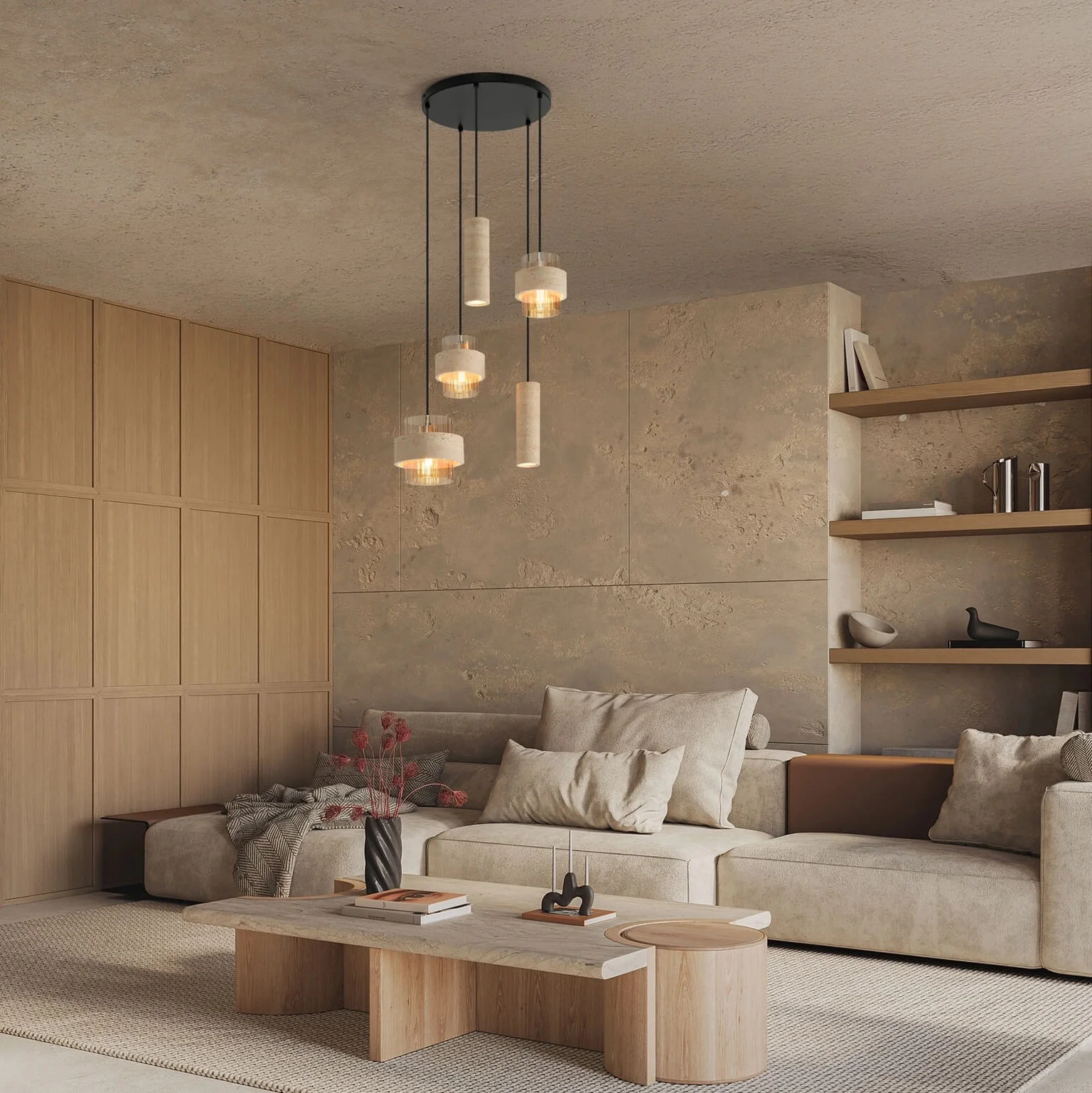
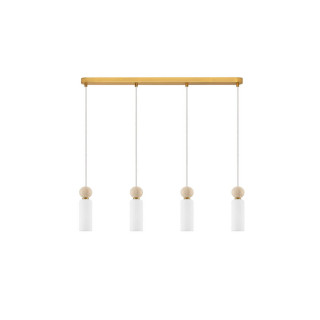
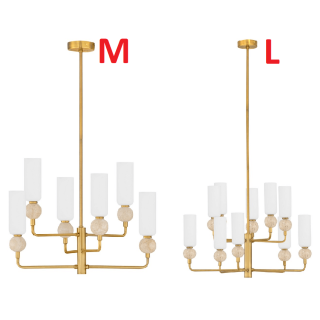
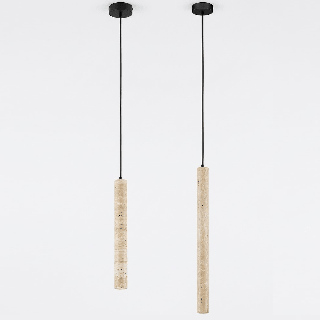
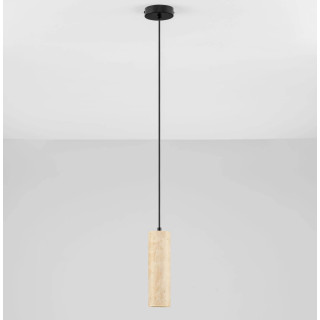
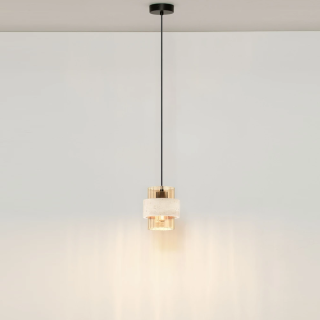
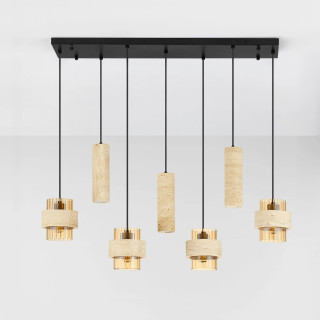
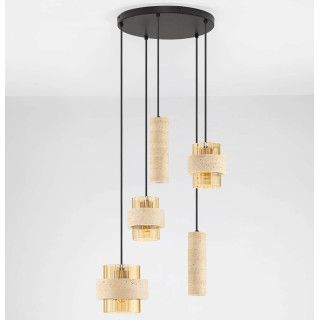
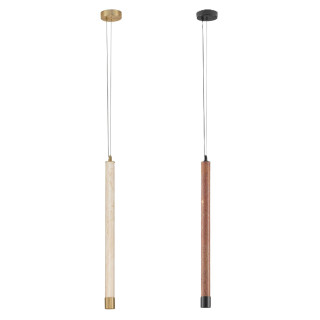
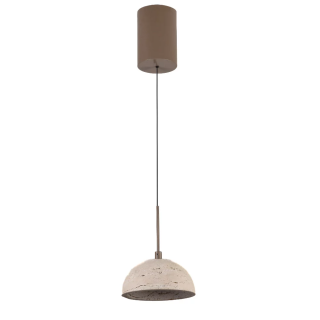
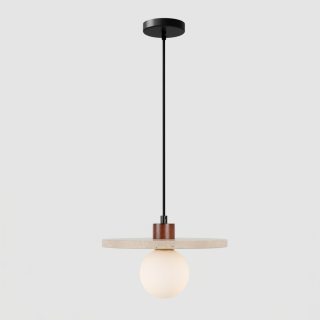
A well-designed travertine pendant lamp offers natural texture, visual depth and a premium architectural character that painted finishes cannot fully reproduce. Contemporary designs use travertine in compact shades, slim pendants and multi-light compositions.
- Unique appearance – natural pores and veining make every piece slightly different.
- Timeless colours – cream, sand and warm beige are easy to combine with other materials.
- Premium materiality – real stone gives the fixture a more substantial, crafted feel.
- Versatile design – travertine suits minimalist, Japandi, modern organic and contemporary interiors.
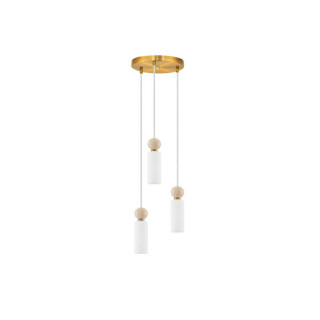
- Flexible arrangements – small pendants can be repeated above an island, table or bedside area.

Where do travertine pendant lights work best?
Above a kitchen island
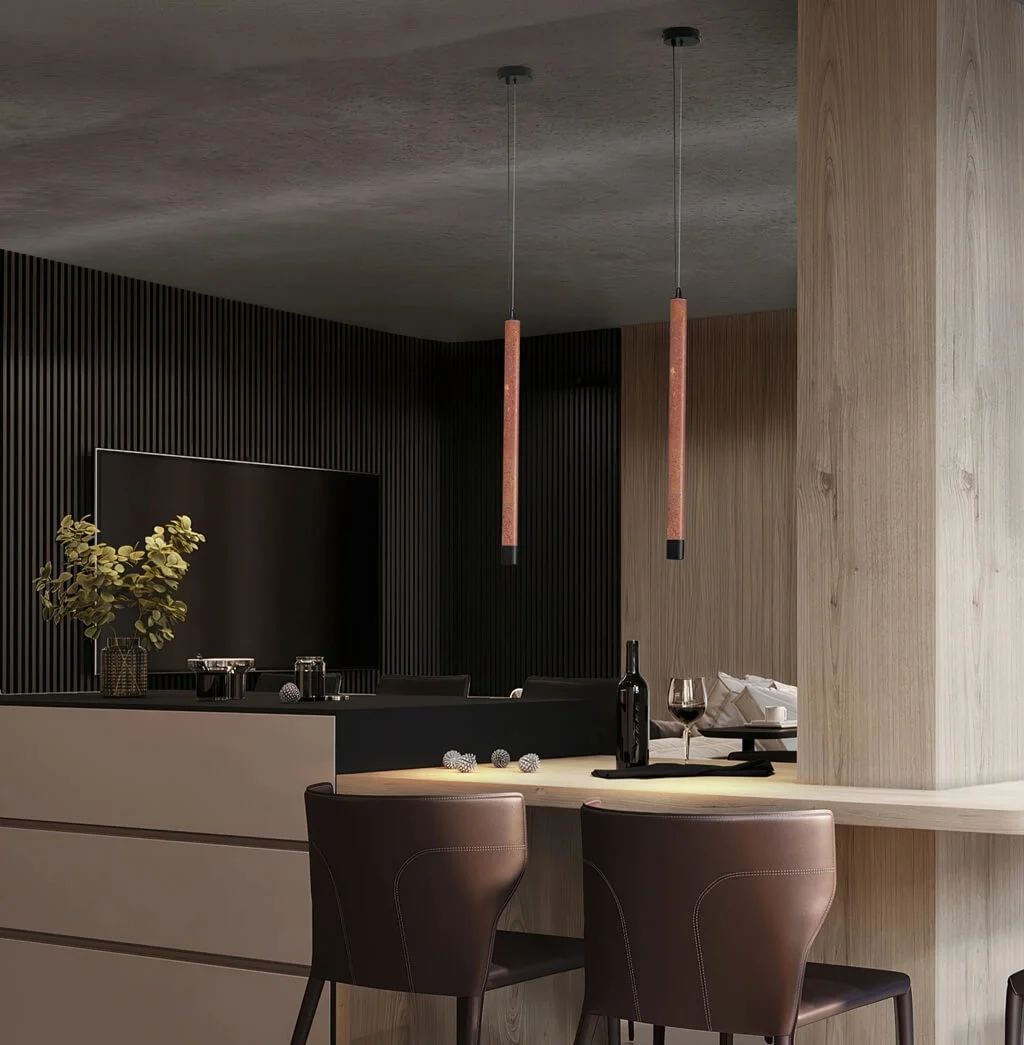
Travertine works particularly well above kitchen islands because the stone can visually connect the lighting with stone worktops, backsplashes and natural wood cabinetry. Two or three smaller pendants create rhythm and help distribute light along a longer surface. They also define the kitchen zone in an open-plan interior without adding a physical divider.
Above a dining table
A travertine pendant above a dining table should work as both lighting and a focal point. One larger fitting suits a round table, while two or three compact pendants often work better above a long rectangular table. Install them low enough to create intimacy but high enough not to obstruct eye contact.

Beside the bed
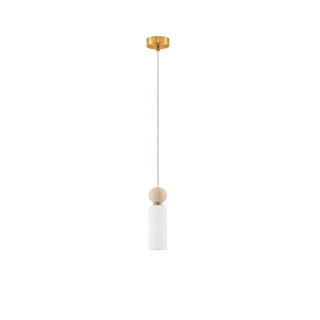
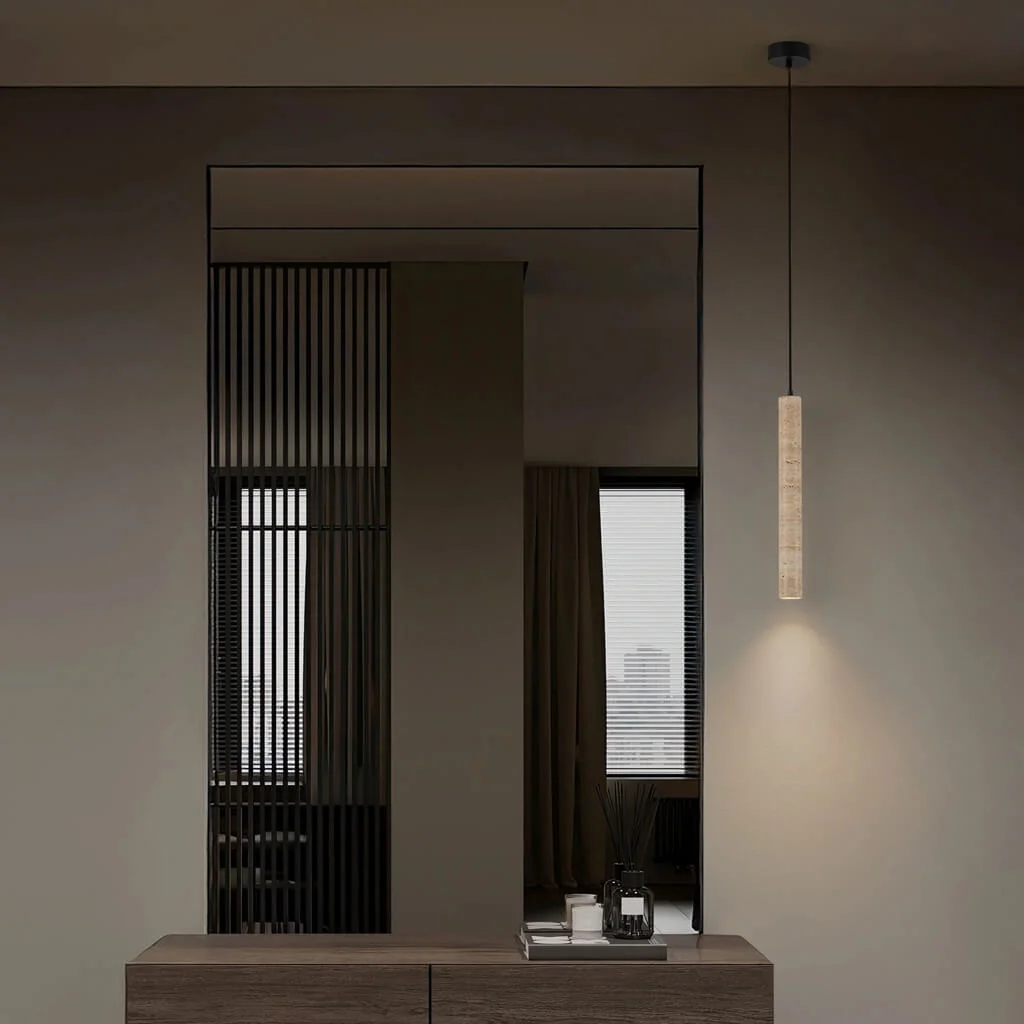
A small stone pendant above a bedside table is an elegant alternative to a conventional table lamp. It leaves the furniture surface free and creates a more architectural, hotel-inspired composition. A soft downward or diffused light is usually the best choice here.
Which light colour suits travertine?
Warm white light is usually the best partner for travertine. 2700K emphasises beige, cream and honey tones and creates a more intimate mood. 3000K remains warm but feels slightly more functional, making it an excellent choice for dining rooms and kitchen islands.
Do not judge performance by the stone shade alone. Check luminous flux, beam direction and whether the lamp uses an integrated LED module or a replaceable bulb. In larger rooms, combine decorative pendants with recessed lights, spotlights, wall lights or concealed LED lighting.
How to choose the right size and number?
Start with the furniture below the lamp rather than the room size alone. Compact pendants around 10–25 cm in diameter work well in repeated compositions, while a larger sculptural fitting can act as a single focal point. Above a long island or dining table, several smaller lamps often create better proportions than one small central pendant.
Also check suspension length, sight lines and head clearance. Adjustable cables are especially useful when the same lamp design must work with different ceiling heights.
What interior styles work with travertine lighting?
Travertine is strongly associated with natural and architectural interiors but remains surprisingly versatile. In modern organic spaces, combine it with oak, bouclé and rounded furniture. In Japandi, pair simple stone forms with pale wood and restrained colours. For a more luxurious contemporary effect, use brass, smoked glass or dark walnut. Black metal adds sharper contrast and works well in soft loft and minimalist interiors.
How to care for a travertine lamp
Travertine is a calcium-carbonate stone and is sensitive to acids. Remove dust with a soft dry or slightly damp cloth. Avoid vinegar, lemon-based products, abrasive cleaners and aggressive chemicals. When deeper cleaning is necessary, use a neutral product intended for natural stone and follow the lamp manufacturer’s instructions.
Natural pores, tonal shifts and veining should be expected. They are part of authentic travertine and make each fixture unique.
Are travertine pendant lights worth buying?
Yes – particularly when lighting is meant to become part of the material architecture of the room. Travertine pendant lights offer real variation, depth and texture. They can be subtle enough for a calm minimalist interior and expressive enough to become the main decorative feature above a table or island.
Choose the right scale, warm light colour and suitable luminous output, and a travertine pendant can remain visually relevant long after short-lived lighting trends have passed. It is a strong choice for interiors where natural materials, quality details and atmosphere matter as much as illumination itself.