Round Stone Wall Lights – How to Choose the Right One?
09/06/2026 12:23:09
BLOG

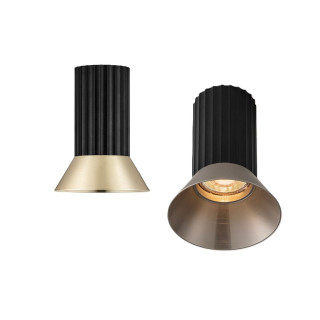
LED ceiling lighting is one of the fastest ways to achieve comfortable main illumination and refine the overall ambience of an interior. In this category you’ll find LED ceiling fixtures in a variety of formats, including LED flush mounts, surface-mounted fittings (tube lights), ceiling spots and downlights, as well as modern elongated LED linear lights. Choose the right fixture type for your ceiling height and the room’s function—lighting performs differently in a living room than it does in a kitchen or bathroom.
Quick selection guide:
There are 2145 products.
sortSort by:
A well-chosen LED ceiling light improves visual comfort, brings visual order to an interior, and helps you create the right atmosphere—from cosy and relaxing to highly functional. LED ceiling lighting isn’t limited to pendant lights; it also includes flush mounts, surface-mounted fixtures, recessed downlights, spots and directional ceiling spotlights, as well as linear lighting systems. This variety allows you to tailor the solution to the room size, ceiling height, interior style, and how the space is used.
The best results come from layered lighting:
In large living areas, a single fixture is rarely enough—multiple light points, thoughtfully positioned, deliver a far better and more balanced outcome.

Flush-mount ceiling lights provide broad, even illumination. Spotlights and directional spots concentrate the beam and allow you to aim light precisely where it’s needed. Recessed downlights make it easy to plan multiple light points to reduce shadows. Linear lights deliver uniform illumination over longer spans and create a distinctly modern look.
As a practical starting point, the following ranges are often used: bedroom 100–150 lm/m², living room 200–300 lm/m², kitchen 300–400 lm/m², bathroom 300–500 lm/m², home office 400–600 lm/m². These are guideline values—wall colours, daylight availability, ceiling height, and additional light sources all affect the final requirement.
Warm light supports relaxation and enhances a cosy feel. Neutral white is the most versatile choice for everyday use. Cooler white can be helpful for focused tasks and detail-oriented work. If you want flexibility, choose models with adjustable colour temperature.
“Brighter” doesn’t always mean “more comfortable.” In rooms where you spend a lot of time, fixtures with diffused light tend to work best—they avoid harsh point glare, reduce eye strain, and feel more pleasant over long periods.
Dimming is one of the most practical features you can add. It lets you adapt light to the moment—cleaning, cooking, working, or winding down in the evening. In many interiors, one dimmable ceiling light can reduce the need for additional fixtures.
Larger rooms generally benefit from bigger flush mounts, ring lights, or linear fixtures. In smaller spaces, compact forms—or several evenly spaced light points—tend to look better and work more effectively.
White, black, gold, aluminium, glass or acrylic—choose finishes that reinforce the interior’s style. Minimalist forms visually “lighten” the ceiling, while more decorative designs can become a strong focal point.
Before selecting a specific model, decide whether you want one central feature (for example above a dining table) or multiple light points that distribute illumination evenly. In practice, the lighting layout often has a bigger impact on day-to-day comfort than the fixture’s appearance alone.

Best for rooms with low ceilings, hallways, bedrooms, and anywhere you want evenly distributed light. A practical, versatile solution that works well across many interior styles.
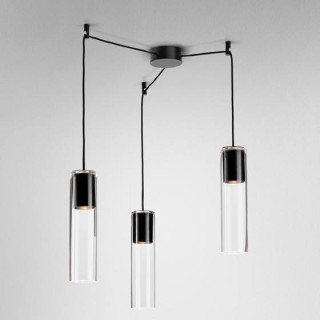
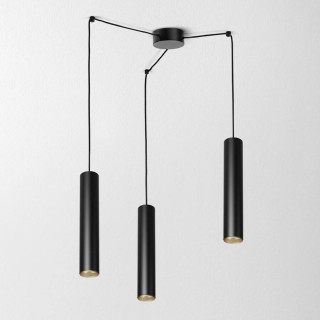
Ideal above a dining table or kitchen island, and wherever you want to highlight a specific zone. They create a strong decorative statement and can work very well as task lighting.
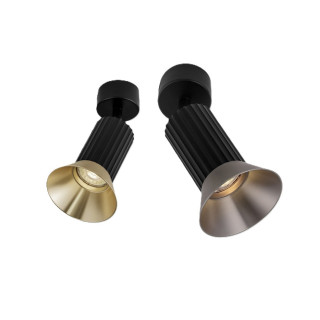
Choose these when you need directional light—over a countertop, onto a textured wall, a painting, shelving, or along circulation routes. They complement general lighting beautifully and help you create flexible lighting “scenes.”
A modern form with a distinctive character. Well suited to living rooms, corridors, offices, and loft-style interiors. They provide targeted illumination and can also become a key design element.
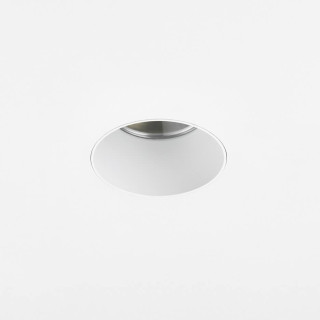
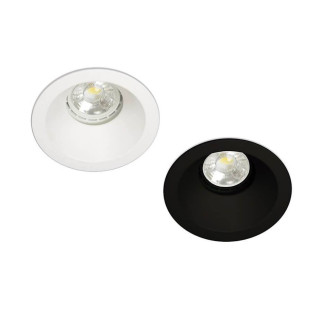
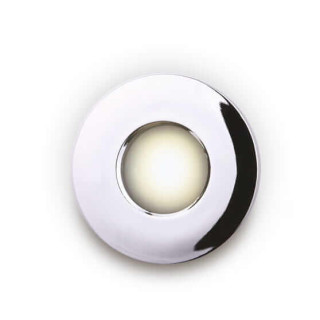
For anyone who wants a clean, discreet ceiling and precise placement of multiple light points. Great for kitchens, bathrooms, hallways, and contemporary interiors. They help you control shadows and illuminate specific zones more effectively.
Excellent for longer spaces and interiors where you want a modern, architectural effect. They can serve as the main light source or as an elegant complement to other fixtures.
In most cases, the best approach is a combination of general and accent lighting: a ceiling base layer plus additional focused light to highlight details. If there’s a dining table in the living room, it’s worth creating a dedicated lighting zone for it.
Functionality matters most in the kitchen—especially reducing shadows in the work zone. A good setup combines general ceiling lighting with targeted task lighting. Above a table or island, fixtures that focus light onto the surface work best.
Comfort is key: soft, diffused light, minimal glare, and the ability to dim. This keeps the bedroom cosy and prevents eye strain in the evening.
Aim for even general illumination and strong lighting at the mirror. Diffused light helps minimise harsh reflections and improves comfort for everyday routines.
Fixtures that don’t visually “steal” space tend to work best: flush mounts, slim ceiling lights, linear lights, or several evenly spaced light points.
Good general ceiling lighting improves working comfort. Neutral colour temperature and even, glare-controlled light are typically the most effective, helping reduce eye fatigue.

The most practical approach is to calculate lighting output based on the room size and the function of each zone. For living rooms, an approximate baseline of 200–300 lumens per square metre is commonly used for general lighting, then adjusted according to interior colours, ceiling height, the amount of natural daylight, and the presence of layered lighting (wall lights, floor lamps, LED strips). If the flush mount is intended to be the sole light source in the room, it is usually advisable to choose a model with a higher luminous output or with a dimming function.
The key factors are the overall dimensions of the fixture and the amount and distribution of light. A flush mount for a large living room should have a larger diameter and a higher lumen output to illuminate the space evenly. When selecting a pendant light, the scale of the furniture is equally important—the fixture should be proportional to the table or island it hangs above and should complement the interior rather than visually dominate it.
The most commonly recommended distance is approximately 75–90 cm (30–36 inches) from the tabletop to the bottom edge of the fixture. This range ensures user comfort, avoids glare, and does not obstruct sightlines between people seated at the table. With higher ceilings or very large fixtures, the height can be adjusted, always prioritising ergonomics and functionality.
In rooms with low ceilings, flush-mount ceiling lights are generally the best solution, as they do not visually lower the space and do not interfere with circulation. Pendant lights should be used only above furniture (such as a dining table), where the drop height can be controlled and does not hinder everyday movement.
For relaxation areas such as living rooms and bedrooms, a warm light colour is most often chosen, as it supports a calm and comfortable atmosphere. In kitchens and work zones, users typically prefer a neutral light colour, which improves visibility and visual comfort when performing tasks. In multifunctional spaces, fixtures with dimming or adjustable colour temperature offer greater flexibility throughout the day.
The decision depends on the length of the worktop and the desired visual effect. One larger pendant works well as a strong decorative statement, while two or three smaller fixtures allow for a more even distribution of light along a long island. Maintaining symmetry and proper proportions in relation to the furniture is essential for a balanced result.
Integrated LED modules provide a modern appearance, slim construction, and high luminous efficiency. A potential drawback is limited serviceability in the event of a failure. Fixtures designed for replaceable bulbs offer greater flexibility in choosing wattage and colour temperature, as well as easier replacement of the light source. The choice ultimately depends on priorities: sleek design and compactness versus service convenience and flexibility.
Not every LED fixture is dimmable. For dimming to work correctly, both the light source and the driver must be designed for dimming, and the wall switch must be compatible with the specific system used. Before purchasing, it is essential to verify which type of dimming is supported and whether it will function with the existing electrical installation.
Glare is most often caused by visible point light sources or by excessive fixture output. To minimise this effect, it is advisable to choose flush mounts with a high-quality diffuser, fixtures with recessed light sources, and models that allow for intensity adjustment. In relaxation zones, several softer light sources generally provide greater visual comfort than a single, very powerful ceiling light.
The most common mistakes include incorrect hanging height, insufficient cable length allowance, and fixtures whose weight is not suited to the ceiling structure. For flush mounts, secure and level installation is critical, while pendant lights require precise planning of the suspension length before mounting. Well-designed ceiling lighting combines aesthetics, ergonomics, and appropriate technical parameters.

Modern and minimalist interiors look best with linear lighting, recessed downlights, and clean, simple surface-mounted fixtures. Scandinavian and Japandi styles favour soft, diffused light and understated forms. Loft and industrial spaces pair perfectly with black finishes, tube lights, and spotlights. Elegant interiors are enhanced by glass and decorative pendant lights that become the focal point of the design.
Choose LED ceiling lighting that fits your needs: it will provide visual comfort, highlight your interior style, and illuminate every zone effectively—from the living room to the bathroom.
See also:
check_circle
check_circle