Top 7 Stone Wall Lights – 2026 Ranking
10/17/2026 18:33:51
Filter By
Filter By
BLOG

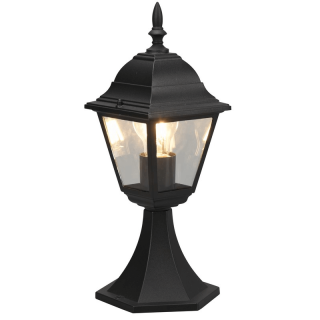
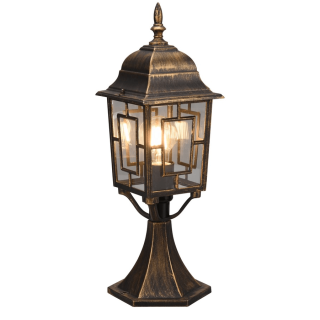
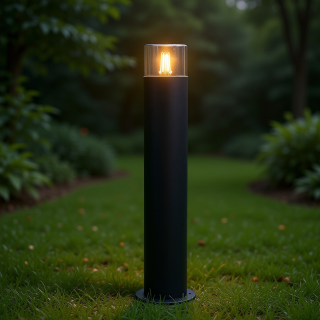
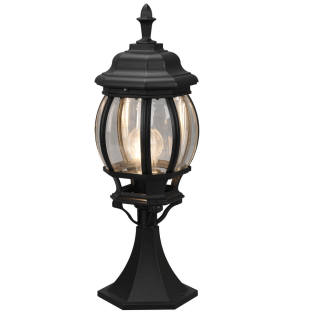
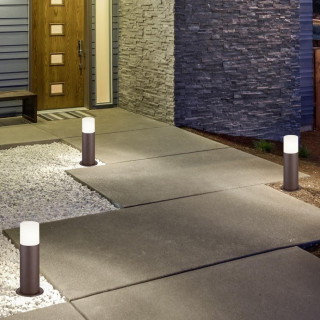
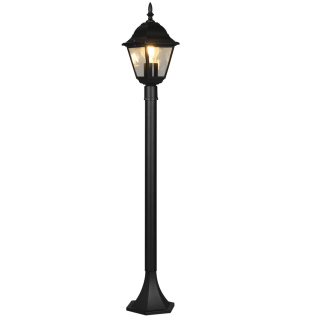
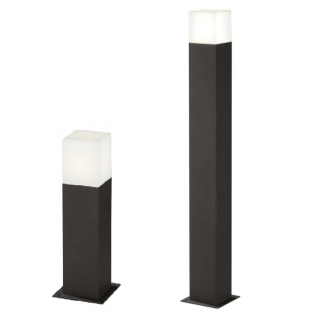
Looking for outdoor lighting that makes your garden safer after dark and visually more refined? Garden bollard lights—also called outdoor post lights, path lights or outdoor standing / floor lights—are one of the most practical ways to illuminate pathways, driveways, patios and entrances. Placed in a regular rhythm, they “guide” movement with light, reduce trips and falls, and create an organised, premium look—from minimalist black and anthracite silhouettes to classic lantern-style posts.
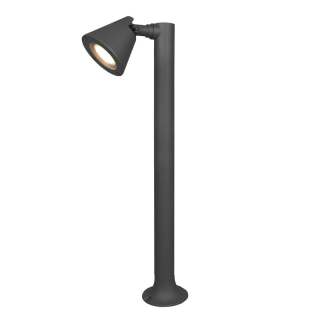
In this category you’ll find LED bollards, solar bollard lights, and fixtures with a replaceable light source (e.g., E27/GU10 models). For long-term performance, focus on three things: IP rating, durable materials (aluminium, stainless steel, UV-resistant polymers), and beam control (anti-glare, downward light, diffusers). For maximum convenience and energy savings, choose models with a motion sensor or dusk-to-dawn (photocell) control.
Quick pick (2 minutes)
There are 300 products.
sortSort by:
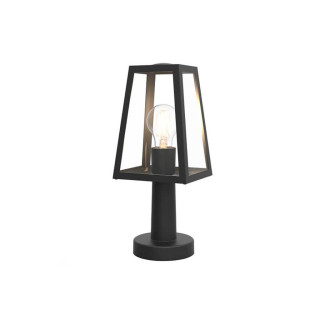
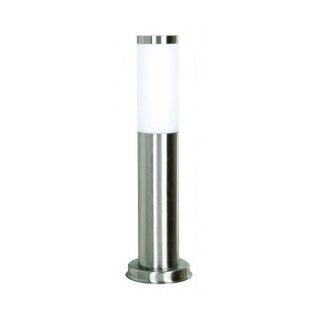
Garden bollard lights (also referred to as garden posts or outdoor standing lights) are a proven way to illuminate your property after dark. When chosen well, they deliver three key benefits: safety, everyday convenience, and a strong design impact—which is why they work so well along pathways, driveways, patios, and at the entrance to your home.

Lighting key circulation areas (paths, steps, driveways) reduces the risk of trips and makes everyday use of your outdoor space easier in the evening. Freestanding fixtures can “guide” you with light by clearly marking the route and the edges of surfaces.
Garden bollards can highlight plants, borders, low walls, and elements of garden architecture. Instead of one very bright point, a more refined effect is achieved with several moderately powered fittings placed consistently.
Outdoor models are designed to cope with rain, snow, frost, and UV radiation. Choosing the right IP rating and materials is essential to ensure reliable performance season after season.
You can use garden bollard lights, for example, as:
Tip: Keep one colour temperature within the same zone (e.g., along a path) to maintain a cohesive, premium look.

The most common choice when you want consistent, predictable illumination, high energy efficiency, and a long service life.
A convenient option with no wiring required. Solar LED lights work best as decorative or supplementary lighting in well-sunlit locations (performance depends on weather and the season).
They give you the flexibility to choose the bulb (colour temperature/output), but require selecting a light source that matches the intended application.
Consider:

Start with approximately 2.5–5 m spacing and adjust based on fixture height, light output, and path width. The goal is an even line of light with no dark gaps and no over-bright “hot spots,” so it’s best to test after dark and fine-tune by 0.5–1 m.
For typical residential outdoor use, aim for at least IP44. In more exposed locations—open areas, close to the ground, near sprinklers, or where heavy rain and dirt are expected—choose a higher rating such as IP54–IP65 for greater reliability.
For pathways and planting beds, shorter bollards usually work best because they guide the way without glare. For entrances and driveways, taller fixtures are often preferred to provide greater reach and a stronger presence—just make sure the design directs light downward to avoid dazzling.
If you want steady, predictable lighting with full control over colour and performance, choose wired LED bollards. Choose solar when you want easy installation without cables and mainly decorative or supplementary light in a well-sunlit spot. If you want flexibility, fixtures with a replaceable bulb let you tailor colour temperature and brightness to the application.
Yes, but expect shorter run times and reduced performance due to fewer daylight hours, weaker sunlight, and low temperatures affecting batteries. To improve results, place the panel where it gets the most sun, keep it clean, and choose models with a capable battery and reliable dusk activation.
For patios, relaxation areas, and ambience, warm white (typically 2700–3000K) is usually the best choice. For entrances and driveways where visibility matters most, neutral white (around 4000K) is often more practical. Keep one colour temperature within the same zone (e.g., along a path) to maintain a cohesive, premium look.
Match brightness to the task: pathways generally need less light than entrances or driveways, and the key is even coverage rather than one very bright point. If fixtures cause glare, choose models with a diffuser, shield, or optics that direct light downward, reduce mounting height, or use lower output with a tighter spacing.
A dusk sensor is ideal when you want automatic lighting from sunset to sunrise, while a motion sensor is best for security and energy savings by turning on only when needed. If the light triggers unnecessarily, reduce sensitivity, adjust the on-time, and reposition the sensor so it doesn’t pick up traffic, headlights, or moving branches; if performance is inconsistent, clean the sensor and verify its placement.
Low-voltage systems (e.g., 12V) are often chosen for gardens because they are safer and easier to modify as layouts change. Mains voltage (230V) offers strong performance but requires stricter installation discipline and compliance with local electrical regulations, so it’s commonly handled by a qualified electrician. In all cases, use outdoor-rated connectors and junctions, protect connections from moisture, test the system before burying cables, and plan routing so future servicing remains straightforward.
They can, but you can significantly reduce insect attraction by choosing warmer light (e.g., 2700–3000K, or amber where appropriate), avoiding cool, blue-rich light, and selecting fixtures that direct light downward rather than outward. Automation also helps—using motion or dusk control and limiting operating time reduces unnecessary light and improves comfort.

See also:
check_circle
check_circle