How Far from the Wall Should Artwork Lighting Be?
09/26/2026 07:29:59
Filter By
Filter By
BLOG

LED wall sconces for the living room combine practical function with decorative impact. The right wall lights can completely transform how a space feels: they add depth, highlight wall textures, define zones (relaxation, circulation, a reading nook), and help you create atmosphere without switching on the main ceiling light.
In a living room, a sconce can work in several ways—ambient light for relaxing, a subtle accent near the TV, illumination for décor and artwork, or convenient task lighting by a sofa or armchair. With LED technology, you also benefit from long service life, consistent performance, and everyday comfort—without the need for frequent bulb replacements.
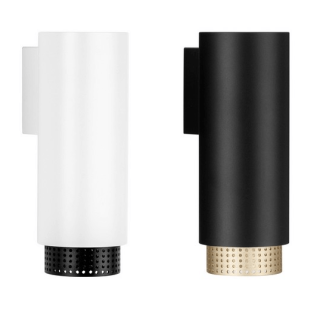
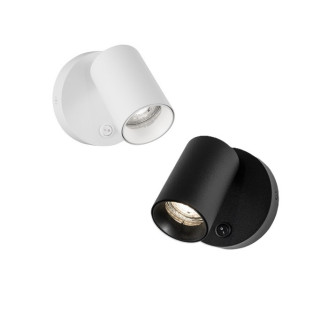
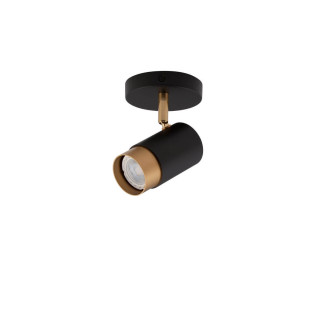
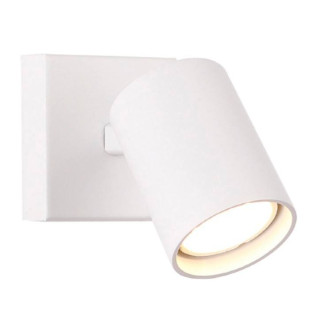
white wall sconces • black wall sconces • gold wall sconces • linear wall sconces • all wall sconces
There are 702 products.
sortSort by:
The living room is a truly multi-purpose space—you relax, talk, watch films, sometimes work, and host guests. A single light source rarely provides comfort in every scenario. Wall sconces add another layer of lighting to the scheme: softer, closer to eye level, easy to control, and highly impactful visually.
LED wall sconces help you to:

LED wall sconces combine aesthetics with practicality. Depending on the model, they can serve as soft background lighting, an architectural accent, or comfortable task lighting for reading. The key advantages most often highlighted by users include:
Convenience and flexibility — you illuminate only the zone you need.
Visual comfort — gentler, side-facing light is often more pleasant than strong overhead lighting.
Decorative impact — light on the wall sets the mood, reveals texture, and gives the interior a premium feel.
Long service life — LEDs run for a long time and perform consistently, reducing the need for frequent replacement.
Wide range of designs — from minimalist forms to decorative models, with shades, adjustability, or an integrated switch.
LED technology works particularly well in the living room because it makes it easy to balance design with function: the light can be even, directional, or indirect (depending on the fixture’s construction), and the lamps themselves often come in slim, modern profiles. As a result, a sconce doesn’t visually “take up” space, yet it genuinely improves comfort in everyday living.

Good sconce placement has a major impact on both the living room’s functionality and the way the space feels. It’s worth planning it the same way you plan your furniture layout—around specific, everyday “lighting scenes.”
Above the sofa or near armchairs — creates a comfortable zone for relaxing, conversation, and reading.
On both sides of the TV — helps soften the contrast between the screen and the surroundings, improving viewing comfort.
In circulation areas — gentle guidance lighting near the living room entrance or by the hallway connection.
By shelving and bookcases — illuminates shelves, book spines, details, and decorative pieces.
On a feature wall — up–down or indirect sconces can beautifully emphasise the material’s texture.
If you want a tidy, design-led look, symmetry works particularly well: two sconces flanking a sofa, a console, or a chosen feature wall. In modern minimalist interiors, a single, well-placed statement piece—one sconce in a strategic spot—can be equally effective.

Two light points in the TV zone create soft backlighting and improve comfort during an evening viewing session.
Wall lights are the kind of detail that can pull an interior scheme together. That’s why it’s worth choosing them not only to match the room’s style, but also to achieve the exact lighting effect you want. A sconce with a shade behaves differently from an “up & down” model, and differently again from a version with an adjustable arm.
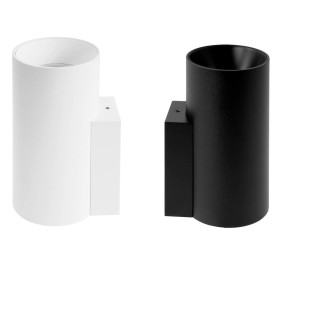
A wall sconce can be understated and “disappear” into the wall, or it can become a deliberate decorative feature. In minimalist living rooms, the most common choice is simple forms in white or black—fixtures that reinforce the interior’s clean lines without competing with the furniture. In more classic arrangements, more decorative models work beautifully: with detailing, glass elements, a shade, or an elegant finish.
Consistency matters, too. If the living room includes other lighting systems (for example, track lighting), it’s best if the sconces echo the other fixtures in both form and colour. This way, the entire “lighting architecture” reads as a coherent design rather than a random mix of lamps.
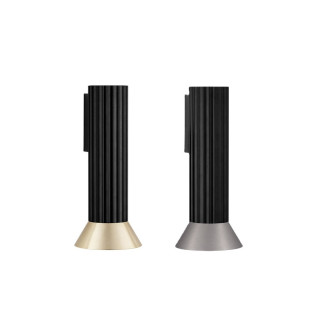
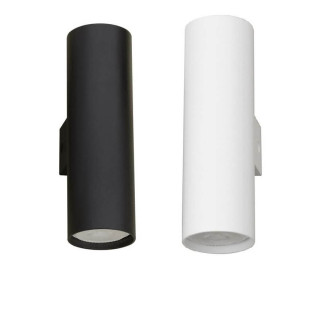
Linear / elongated – when you want to visually “stretch” the wall, brighten the TV/media area, or create an elegant accent above a sideboard.
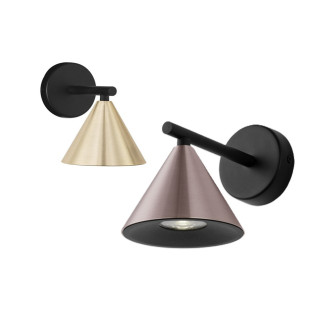
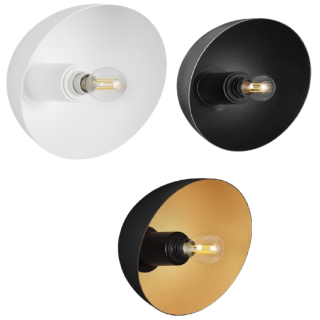
With a shade / lampshade – for soft, diffused light and decoration (perfect for a cosy evening ambience).
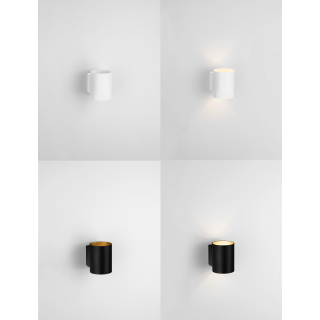
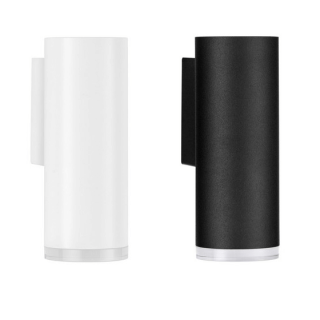
Up & down (up/down) – a strong decorative effect on the wall, especially on textured surfaces.
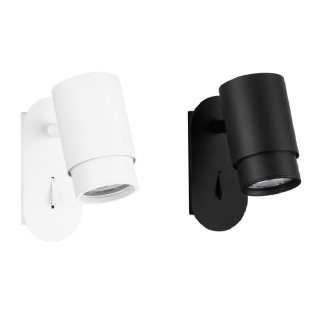
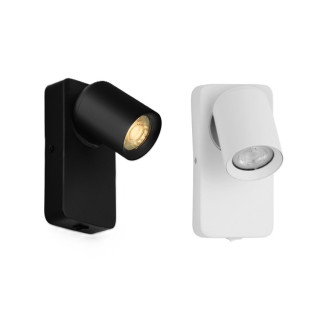
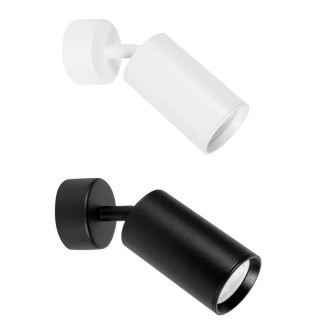
Adjustable / reading – directional light by the sofa or armchair when you need focused task lighting.
Picture lights – when you want to highlight artwork and a gallery wall.

Elegant wall sconces with shades create a pleasant atmosphere in the living room.
In the living room, the goal is usually balance: it should feel inviting, but not too dim. That’s why it’s worth thinking of wall sconces as a tool for building atmosphere and creating layered lighting scenes.
A quick point of reference for the living room: for a cosy, relaxing ambience, warm white around 2700–3300 K is most commonly recommended. As a rough guideline, background brightness in the main living area is often quoted at around 100–150 lm/m² (the exact requirement depends, among other things, on wall colours and the number of lighting layers).
Practical tips:
If a sconce is meant to set the mood, choose a model that provides indirect or diffused light (for example, filtered through a shade).
If it’s intended for reading, opt for directional light or a movable arm.
If the living room is used intensively (get-togethers, guests), solutions that let you control light levels and divide the space into zones are especially useful.
In a well-designed interior, wall sconces don’t compete with the ceiling light—they complement it. This makes the living room functional throughout the day, from bright, “technical” morning light to a soft, relaxing evening ambience.
Installing sconces is usually straightforward, but it does require precision and basic safety rules. Always start by reading the manufacturer’s instructions and planning the mounting locations carefully.
Most designers recommend positioning living room sconces at a height that provides comfortable light without glare. Many layouts look best when the light point sits roughly at eye level—standing or seated, depending on the fixture’s purpose.
During installation, remember the core steps:
Switch off the power before starting any work.
Mark the mounting points (a spirit level is helpful).
Choose fixings appropriate to the wall type.
Connect the wires according to the manufacturer’s diagram.
Check the stability and alignment of the fixture.
If you’re unsure about the wiring, it’s better to hire a qualified electrician—your wall light should be safe and reliable.
Choosing based on looks alone — the fixture may be beautiful, but the light won’t do its job. Function first, aesthetics second.
Too few light points — one sconce rarely “lights” an entire living room. Think in terms of zones.
Poor placement — a sconce should illuminate something specific: the sofa, a wall, a passageway. Random placement = random results.
Lack of stylistic consistency — if the room is defined by black accents and clean lines, a gold, ornate sconce can feel out of place (unless it’s an intentional contrast).
Light that’s too harsh in the relaxation area — living rooms usually benefit more from soft, indirect lighting than sharp, office-like spot illumination.

Light above the sofa creates a cosy relaxation zone without switching on the ceiling light.
check_circle
check_circle