Recent Articles

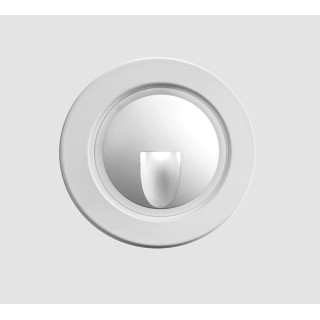
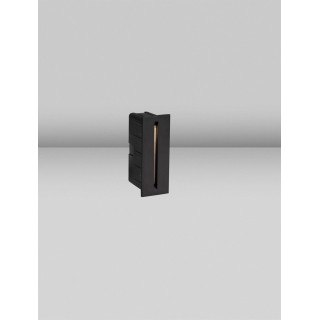
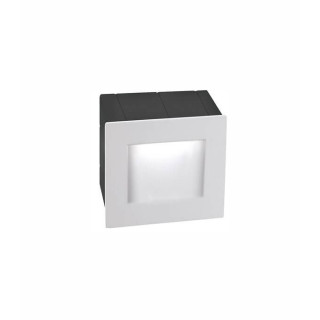
230V stair lights

230V Stair Lights – practical step lighting for safer, better-looking spaces

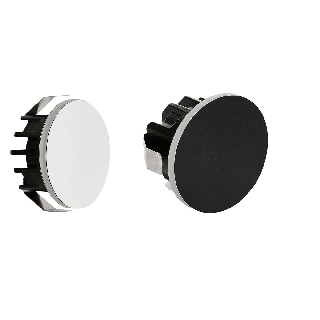
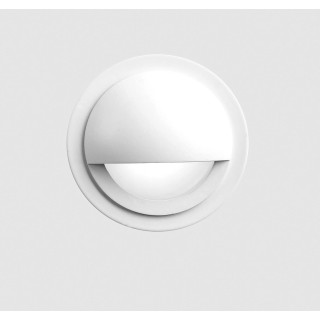
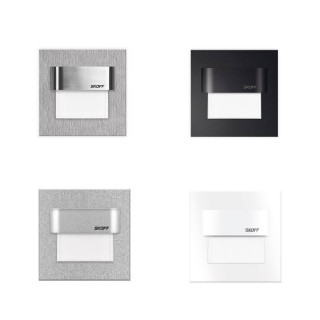
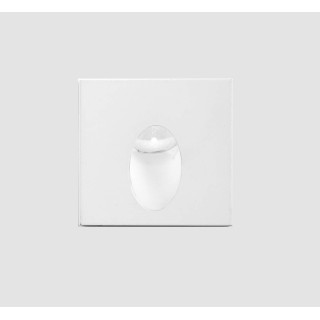
230V stair lights are compact LED fittings designed to illuminate steps, risers, walls alongside stair runs and other circulation areas where clear orientation matters after dark. Their role is twofold: they improve safety in everyday use and they enhance the visual rhythm of the staircase by adding clean, controlled light exactly where it is needed.

In this category, you will find lighting solutions for private homes, apartments, duplexes, stairwells, offices, hospitality settings and contemporary commercial interiors. The best stair lighting does not flood the whole space with brightness. Instead, it creates discreet, low-level guidance light that helps people move comfortably while adding depth, structure and atmosphere to the interior.

One of the main reasons customers choose 230V stair lights is installation simplicity. In many projects, they can be connected as part of a standard mains lighting circuit, which makes them a practical option for both new builds and refurbishments. For many buyers, that means a shorter route from design concept to finished installation and an easier specification process from the very start.

There are 5 products.

Showing 1-5 of 5 item(s)

Why 230V stair lights are such a popular choice

When customers look for stair lighting, they usually want three things at once: straightforward installation, reliable everyday performance and a refined architectural effect. That is exactly where 230V stair lights perform well.

For many residential and light commercial projects, 230V fittings are the most intuitive option because they align with a conventional electrical layout. They are often chosen where the client wants the visual benefits of integrated step lighting without building the whole system around a separate low-voltage power supply. In practical terms, this can simplify planning and make product selection more direct.

Just as importantly, 230V LED stair lights work exceptionally well as orientation lighting. Their purpose is not to replace the main ceiling light in a stairwell, hallway or landing. Their job is to define the edge of the route, support visibility at night and reduce harsh contrasts between light and shadow. When selected properly, they deliver comfort, safety and a much more premium finish than relying on one general overhead fitting alone.

Aesthetic value also matters. Contemporary stair lights are designed to sit discreetly within the architecture, often with a flush or low-profile appearance. During the day they remain visually calm; in the evening they bring the staircase to life, highlighting materials, textures and the geometry of the space.

How to choose the right 230V stair light

Recessed or surface-mounted

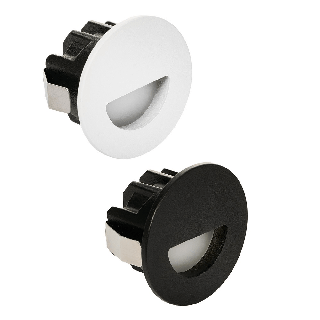
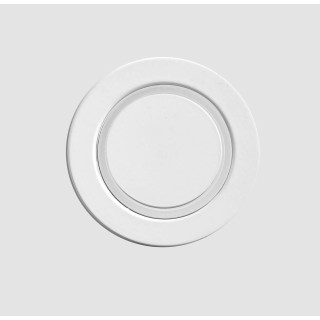
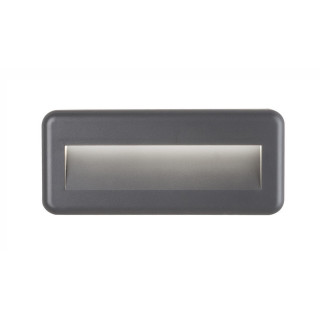
This is the first major decision. Recessed stair lights are ideal when you want a clean, integrated look and a more architectural finish. They are especially well suited to new-build projects or fully planned renovations where wall preparation and wiring are considered early in the process. In modern interiors, recessed fittings are often the preferred option because they deliver light without making the luminaire itself the focal point.

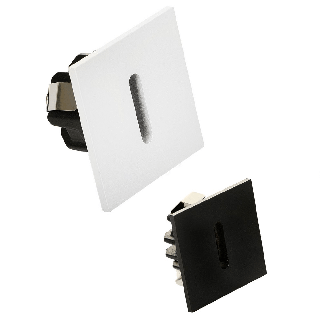
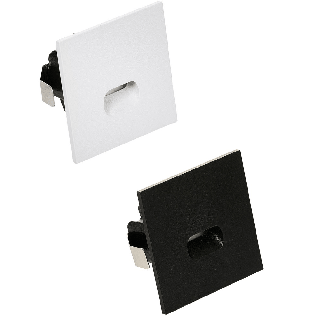
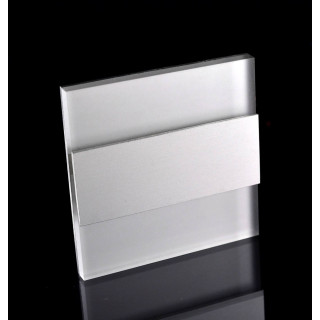
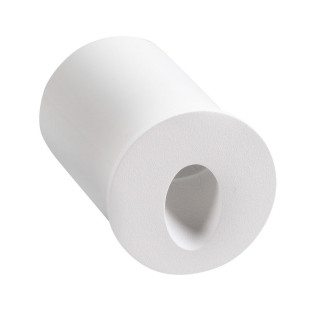
Surface-mounted stair lights are often the smarter choice for retrofit projects or situations where you want to minimise structural work. They allow you to upgrade the lighting effect of an existing staircase without opening up walls to the same extent as a recessed installation. A well-designed surface-mounted fitting can still look sleek and contemporary, particularly in minimal, geometric forms.

Beam direction and low-glare comfort

On stairs, more light is not always better. The real goal is controlled, low-glare illumination that guides the eye toward the tread rather than shining directly into the user’s line of sight. That is why downward-facing or shielded beam patterns are so effective in staircase applications.

A good 230V step light should help people read the route naturally. It should define the step edge, the wall line or the floor transition without feeling harsh. This is especially important in homes used at night, where lighting needs to support movement without waking the whole household or creating visual discomfort.

Colour temperature and atmosphere

In most residential settings, warm white is the go-to choice for stair lighting. It creates a welcoming, comfortable effect and works particularly well with timber, stone, textured plaster, microcement and soft-toned interior palettes. In more contemporary or technical-looking spaces, neutral white can also work very well, especially where a cleaner and crisper visual effect is desired.

The most important rule is consistency. If the hallway, staircase and adjoining rooms all follow the same lighting temperature, the entire space feels more cohesive and professionally designed.

Mounting format and installation logic

For many projects, buyers also look for a specific mounting method, especially models compatible with standard wall boxes or installation formats commonly used on site. If the staircase lighting is being planned from scratch, it is worth confirming dimensions, cut-out requirements, recess depth and cable routing early in the process. These technical details have a major impact on how smoothly the installation will go.

Motion sensor stair lights and smarter control options

One of the most popular directions in staircase lighting is automation. 230V stair lights with motion sensors are widely chosen for their combination of convenience, safety and energy-conscious use. In daily life, this simply means that the light comes on when someone approaches the staircase and stays off when it is not needed.

This is particularly useful in family homes, duplex apartments, entrance zones, corridors and shared stairwells where the lighting should respond automatically rather than rely on manual switching every time. Depending on the design concept, stair lighting can also be paired with dusk sensors, timers, dimming systems or broader smart-home control.

For many interiors, the best result comes from layered lighting. The stair lights provide orientation and ambient guidance, while a separate circuit handles the main functional lighting for the stairwell or landing. This approach gives the user flexibility and creates a far more sophisticated lighting scheme overall.

Indoor and outdoor 230V stair lights

Not every staircase is exposed to the same conditions, so location matters. Indoor stair lights are typically selected for dry interior zones where visual comfort and design integration are the main priorities. Outdoor or semi-exposed staircases, on the other hand, require a much stronger focus on durability, sealed construction and the appropriate IP rating.

For entrance steps, terraces, exterior stair runs and circulation areas exposed to moisture, dust or temperature changes, IP protection becomes a key specification point. The right fitting needs to do more than look good on the wall. It must also perform reliably over time in real conditions.

Material quality is equally important. In high-use areas, customers should look at housing strength, front finish, corrosion resistance and the way the light source is shielded. On narrow routes in particular, compact low-profile fittings remain a strong choice because they keep the passage visually clean and physically unobstructed.

Where 230V LED stair lights work best

230V stair lights are a versatile solution across a wide range of projects. They work exceptionally well in residential staircases, duplex apartments, entrance halls, corridors, hotel circulation zones, office stairwells and transitional spaces where low-level guidance lighting adds both function and atmosphere.

They are also a strong option wherever the client wants the staircase to feel like part of the wider lighting concept rather than an isolated technical element. Used well, stair lights can visually connect levels, highlight the material palette and add a sense of order and depth to the interior architecture.

What to check before buying

Before choosing a fitting, it helps to answer a few practical questions. Should the light be recessed or surface-mounted? Is the project based on a standard mains circuit? Is the fitting intended for indoor or outdoor use? Do you want built-in motion sensing? What light colour will match the rest of the home? Are you looking for a soft orientation effect or a more defined lighting statement?

Once those points are clear, it becomes much easier to compare design, finish, beam style and build quality. That is the most effective route to a staircase lighting scheme that not only looks refined in photographs, but also performs properly in everyday life.

Frequently asked questions about 230V stair lights

Do 230V stair lights need a separate driver?

In many cases, no separate driver is required for the overall installation, which is one of the main advantages of 230V stair lighting. That said, it is always worth checking the technical specification of the individual product and the intended installation method.

When is low-voltage stair lighting the better option?

12V or 24V systems can be a better fit when the whole project is designed around a low-voltage lighting strategy or when multiple lighting points are being powered from a dedicated driver with a more customised control setup. For many standard residential projects, however, 230V remains the more straightforward choice.

Are recessed stair lights better than surface-mounted ones?

Neither is universally better. Recessed fittings usually deliver a cleaner, more architectural result, while surface-mounted products are often the more practical choice for upgrades and renovation work. The right answer depends on the build stage, wall construction and installation scope.

What light colour works best for stair lighting?

Warm white is usually the most popular option for homes because it creates a softer and more welcoming feel. Neutral white can work very well in modern or more technical-looking interiors. In both cases, visual consistency with adjacent spaces is the key.

230V stair lights that combine safety, design and everyday usability

A well-selected 230V stair light does more than illuminate a step. It improves comfort, supports safe movement, enhances the architecture of the space and gives the staircase a more complete and intentional finish. That is why stair lighting has become such an important part of modern residential and commercial design.

If you are looking for a solution that combines practical installation, reliable performance and a refined visual effect, 230V LED stair lights are one of the most effective options available. The best results come from choosing fittings that match the mounting method, lighting direction, project conditions and the atmosphere you want to create throughout the space.