COB LED Strip 48V – Why Is It Worth Choosing?
10/14/2026 20:15:33
Filter By
Filter By
BLOG

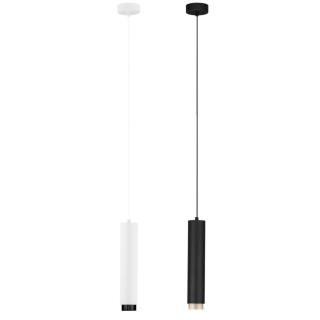
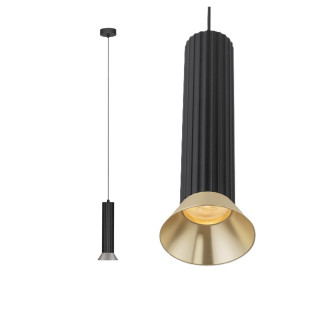
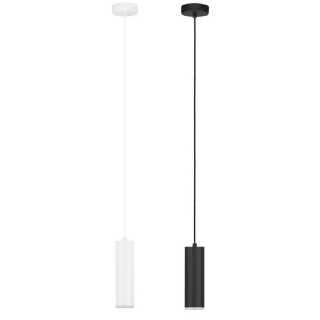
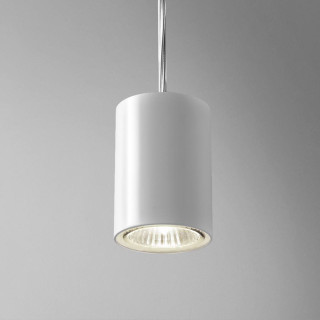
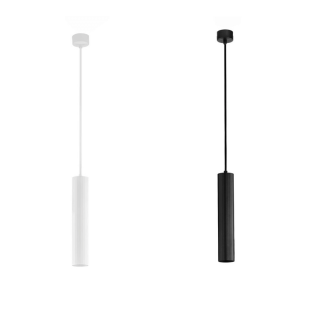
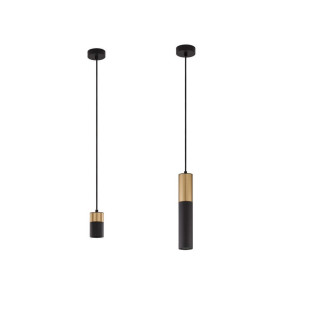
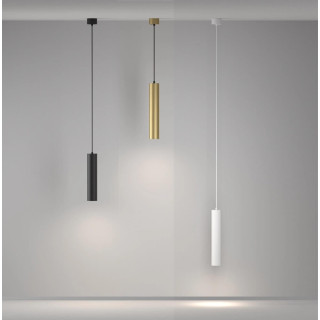
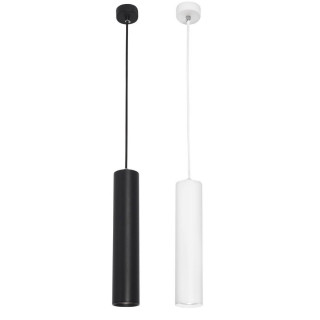
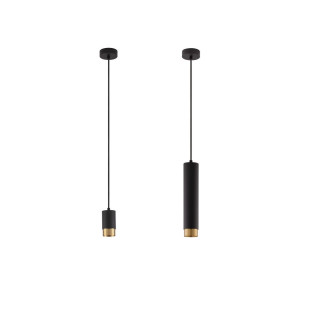
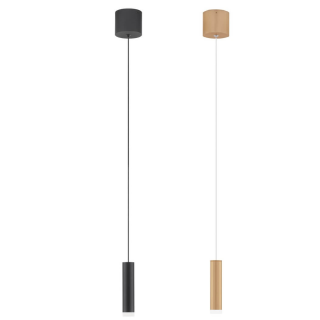
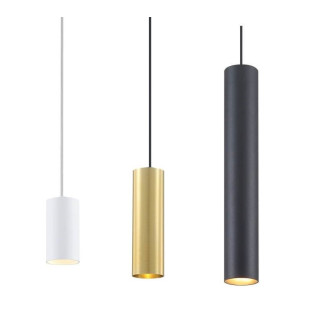
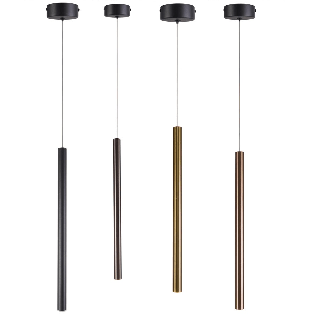
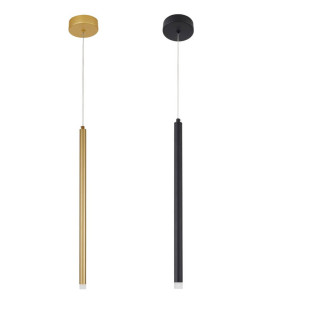
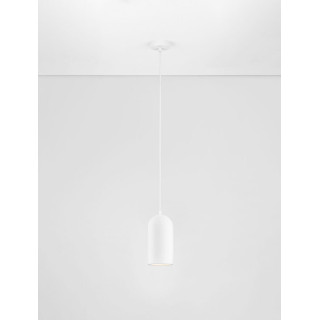
Tube pendant lights are a modern category of ceiling lighting designed primarily for large, high, and open spaces. A tube-shaped pendant light is characterized by its cylindrical form, which enables precise, directional illumination of specific areas within an interior. These fixtures can be used as a single light source or in double and triple configurations, allowing flexible adaptation to the scale of the space and functional lighting requirements.
Tube pendant lamps are commonly installed in kitchens above worktops or dining tables, in dining areas above the table, and in living rooms as supplementary lighting for seating zones. Thanks to their focused light output and minimalist design, they are also well suited for corridors, entryways, and conference rooms, where they effectively illuminate horizontal surfaces and emphasize the modern character of the space.
There are 196 products.
sortSort by:
Pendant tube lights (also referred to as cylindrical pendants, tubular LED pendants, or tube suspension lights) represent one of the most architectural lighting categories in contemporary interior design. At first glance, they appear simple—a slim cylinder suspended from the ceiling—yet in practice they offer exceptional versatility: from subtle ambient lighting, through precise task illumination, to accent lighting for kitchen islands, dining tables, reception desks, or circulation areas.
They are the natural choice for users seeking to combine clean aesthetics with clear functionality. Tube pendants do not dominate an interior; they structure it. They create rhythm, emphasize geometry, guide the eye, and add a distinctly modern character. This category includes both classic metal tubes and refined glass tube pendants (clear, smoked, opal, ribbed), which interact beautifully with light and introduce a softer, more premium visual effect.

The minimalist form of tube pendants is inherently timeless. They integrate seamlessly into modern, Japandi, loft, modern classic, and even more decorative interiors—particularly when finished in glass or sophisticated surfaces such as brass, gold, gunmetal, or textured white. Their simple geometry makes them ideal for compositions: aligned above a kitchen island, grouped over a dining table, arranged symmetrically in a hallway, or installed in cascading layouts within double-height spaces.
Tube pendants function as precise lighting tools. Depending on construction, they may provide:
In European markets, compatibility with 230V installations, quality wiring, and reliable mounting systems are essential. A well-designed tube pendant is not merely an aesthetic object—it is a complete lighting solution with stable suspension, quality electronics, and visually comfortable light.
The right tube pendant begins with a clear functional goal: task lighting, general lighting, or accent lighting.
Precision matters. Correct luminous output, controlled beam angle, glare reduction, and appropriate color temperature ensure comfort and usability. Tube pendants excel here by directing light exactly where work is performed.
For general illumination, opt for models with softer diffusion (opal glass, wide beam angles) or combine tube pendants with indirect or auxiliary lighting to create balanced lighting layers.
With narrow optics and recessed light sources, tube pendants can “draw” the interior—accentuating surfaces, materials, shelving, or decorative elements with refined precision.

Professional projects increasingly apply zoned lighting strategies—warmer tones for relaxation, cooler tones for productivity.
High-quality light reveals true colors:
Two pendants with identical wattage may produce very different lighting results. Always assess lumens and intended application.
Beam angle defines character:
Advanced tube pendants may include reflectors, lenses, and glare-control accessories such as honeycomb grids.
As pendant tubes are often within the field of view, proper optical design is essential. Recessed light sources and glare-limiting constructions ensure comfortable illumination without visual fatigue.
Available options include:
Dimming significantly enhances comfort and flexibility, particularly in residential environments.
For long-term installations, premium LED modules and reliable drivers are key to performance stability.

Glass tube pendants add refinement and visual depth. Glass:
Different glass finishes create different moods:
A leading application. Tube pendants provide clean geometry and precise task lighting. Typically installed in rows of two or three, with careful consideration of spacing, beam angle, and suspension height.
Tube pendants serve as modern alternatives to chandeliers. Glass versions add softness and elegance while maintaining minimalist clarity.
Best used as part of layered lighting schemes—above coffee tables, reading zones, or accent areas—with dimming functionality enhancing versatility.
Suspended tube pendants beside the bed replace traditional bedside lamps, free surface space, and add architectural clarity. Warm light and glare control are essential.
Vertical accents thrive in tall spaces. Cascading tube arrangements can dramatically transform entrances and stairwells.
Reception areas, meeting rooms, boutiques, and restaurants benefit from the professional, structured appearance of tube pendants combined with high visual comfort.
Correct mounting height prevents glare and visual obstruction. Adjustable suspension systems allow fine-tuning during installation.

The most reliable range is 75–90 cm (30–36 inches) from the countertop to the bottom of the fixture. This height provides effective task lighting without blocking sightlines or causing glare. In rooms with higher ceilings, pendants can be mounted slightly higher, but everyday visual comfort should always be the deciding factor.
In real-world projects, three pendants are the most common choice for a standard kitchen island. Two pendants work well for shorter islands or larger-diameter tubes. Four pendants are typically reserved for very long islands or commercial interiors. The correct number depends on island length and fixture diameter—not guesswork.
The best result comes from even spacing and visual symmetry. Maintain equal distances between fixtures and consistent margins from the edges of the island. Avoid placing pendants directly above a cooktop or in conflict with a range hood, as this negatively affects both functionality and comfort.
The most versatile and commonly selected option is 3000K—warm enough for residential interiors while remaining practical. 2700K is ideal when ambiance is the priority. 4000K is better suited for work-focused environments such as offices or highly functional modern kitchens.
Focus on lumens and beam angle, not wattage alone. A single pendant rarely needs to do all the work. In practice, several pendants with moderate output create better illumination than one overly powerful fixture, which can cause glare and harsh shadows. Light distribution matters more than raw power.
For most kitchen islands and dining tables, a 30–40° beam angle is the safest and most versatile choice. Narrow beams are effective for accent lighting but may leave dark zones for task use. Wider beams produce softer light but require good glare control.
Yes, if poorly selected or installed too low. Glare is minimized by choosing fixtures with recessed light sources, proper optics, and correct mounting height. In seated areas such as dining tables or islands, multiple well-controlled pendants are more comfortable than a single high-output light source.
Yes, but only if the specific model is designed for dimming and is compatible with the dimmer used. Most issues arise from mismatched components. If adjustable ambiance is important, ensure the fixture and control system operate within the same dimming standard.
Integrated LED fixtures usually provide better optical control, slimmer proportions, and higher visual comfort. Fixtures with replaceable bulbs offer greater flexibility for future changes. Choose integrated LED for refined design and light quality; choose replaceable sources if long-term adaptability is your priority.
Clean them regularly and gently. Dust and cooking residues should be removed before they build up. Use a soft cloth and mild cleaner for glass, and avoid aggressive chemicals. Metal finishes should be wiped dry or slightly damp. Consistent maintenance preserves both appearance and light quality over time.

Pendant tube lights elevate interiors through clarity, proportion, and controlled illumination. They scale effortlessly from compact apartments to expansive residential and commercial projects. When thoughtfully selected—based on function, optics, and material—they deliver precise task lighting, refined ambiance, and architectural coherence.
In our pendant tube lighting category, you will find technically advanced, aesthetically refined solutions designed for modern interiors across Poland and Europe. Choose the variant that fits your space, and rely on expert specifications to make a confident, future-proof decision.
See also:
check_circle
check_circle