48V Curved Tracks for Ceiling and Wall
09/22/2026 13:58:30
Filter By
Filter By
BLOG

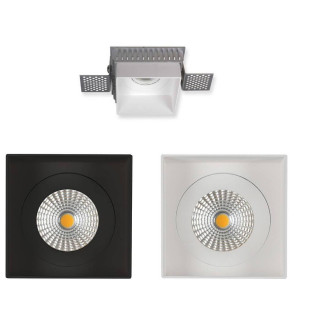
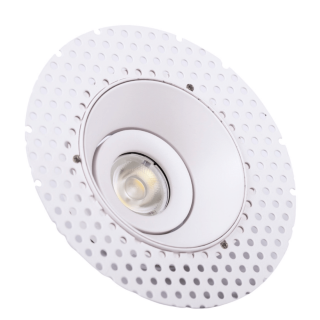
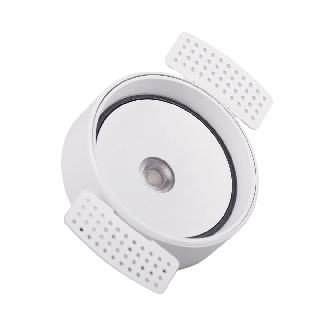
Trimless recessed ceiling fixtures are modern, frameless light sources designed for installation in plasterboard ceilings. Their construction allows the edges of the fixture to be fully concealed, leaving only a perfectly integrated lighting aperture visible after installation. This solution is highly valued in minimalist, luxury, and commercial interiors where clean architecture and consistent geometry are a priority. Trimless fixtures are available in bulb-based and LED versions, including spot, directional, and linear models, enabling precise adjustment of light to the function of the space. Thanks to their durability and versatility, they are suitable for living rooms, kitchens, hallways, offices, retail spaces, and hotels, making them a professional choice for investors, architects, and contractors. This category of lighting offers high aesthetic quality, delivering uniform, comfortable illumination and a modern appearance in any interior.
There are 45 products.
sortSort by:
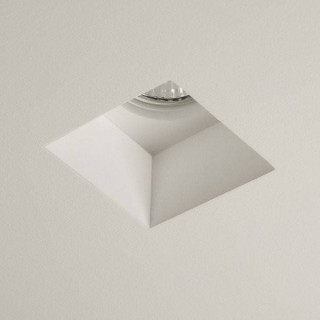
Trimless recessed ceiling lights – also referred to as frameless, plaster-in or mud-in luminaires – are a specialised category of recessed fixtures designed so that no visible trim or bezel remains once the ceiling is finished. The fixture housing is fully integrated with the plasterboard surface and covered with joint compound, leaving only a clean opening or a seamless line of light. As a result, the light appears to emerge directly from the ceiling, turning the luminaire into a part of the architectural fabric rather than a separate decorative element.
This lighting concept emerged as a response to the growing demand for refined interior aesthetics. In minimalist apartments, premium residential projects and contemporary office spaces, visible technical details are increasingly avoided. Trimless fixtures enable a perfectly smooth ceiling surface without bezels, rims or decorative frames, which in standard downlights create a grid of visible circles on the ceiling.

In urban apartments, detached houses, boutique hotels and showroom environments, visual consistency is essential. Designers aim to highlight the materials — architectural concrete, wood, textured plaster — rather than the fixtures themselves. Trimless luminaires allow all technical components to be concealed within the ceiling, leaving only the light.
The result:
In many trimless fixtures, the light source is recessed deeper into the optical chamber, creating a “dark-light” effect. The LED or bulb is set back from the opening, significantly reducing glare. The user perceives primarily a soft, uniform wash of light rather than a bright point source.
The effect:
Trimless luminaires can be used cohesively throughout an entire project:
This allows investors and designers to establish one coherent visual language of light throughout the entire property.
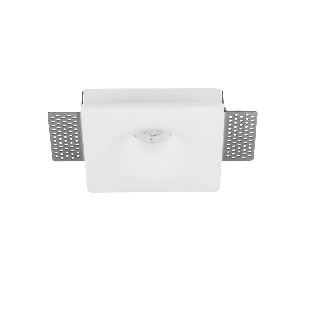
Unlike standard recessed fixtures with a visible bezel, trimless systems typically consist of two components:
The frame features perforated “wings” embedded into the plaster. Once the surface is sanded and finished, only a precise opening remains.

Two main groups of trimless luminaires exist:
Trimless fixtures with GU10 sockets:
Trimless fixtures with integrated LED modules:
Trimless lighting is available in multiple formats:
These solutions are ideal in projects where lighting is intended to organise space, guide users visually or emphasise architectural geometry.

Trimless systems must be planned during the construction of the suspended ceiling framework.
The frame is installed before plastering and painting, making later layout changes expensive and technically difficult.
Before choosing fixtures, determine:
Trimless systems offer no margin for error. A misaligned frame or poorly finished plaster edge will remain visible permanently. Therefore it is advisable to:
Lighting may serve various purposes:
When selecting a trimless fixture, consider:
The colour of the optical chamber influences visual perception:

Trimless fixtures create uniform ambient lighting and enable accent lighting on feature walls. They pair well with pendant lights positioned above dining tables or kitchen islands.
Ideal for:
Perfect for guiding movement through:
In commercial interiors, trimless lighting:

Trimless fixtures have no visible trim or bezel. Once installed and finished, they form an integral part of the ceiling, leaving only the light opening visible. This creates a more minimalistic, architectural effect.
Yes, installation requires more precision than traditional downlights. The mounting frame is installed before plastering, and any imperfections remain visible. Professional installation is highly recommended.
Yes, provided the selected models have an appropriate IP rating. Versions with increased protection can be safely used near wet zones.
GU10 offers flexibility and easy lamp replacement. Integrated LED delivers higher light quality, compact dimensions and greater design freedom. In premium projects, integrated LED modules are often preferred.
Consider furniture placement, functional zones and potential shadowing. In living rooms, highlight feature walls and avoid placing fixtures directly above seating areas. In kitchens, position fixtures closer to the front edge of worktops to prevent casting shadows.
See also other recessed lamps:
check_circle
check_circle