Recent Articles

Up-Down Outdoor Wall Lights

Up-and-Down Outdoor Wall Lights – Modern Facade Lighting for Entrances, Terraces, and Exterior Walls

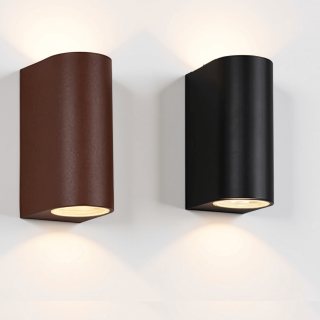
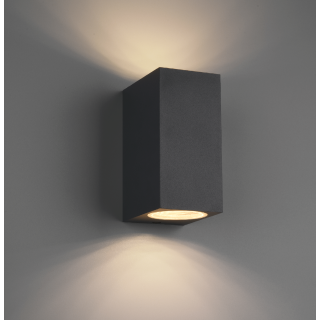
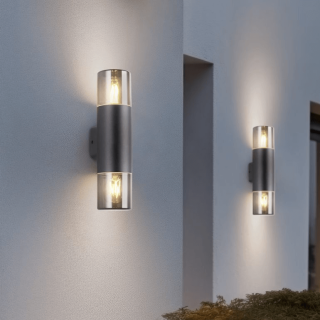
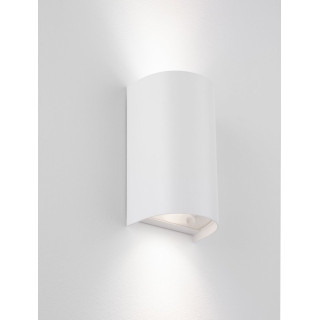
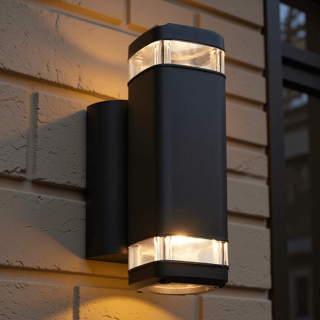
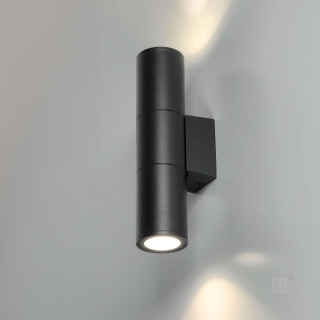
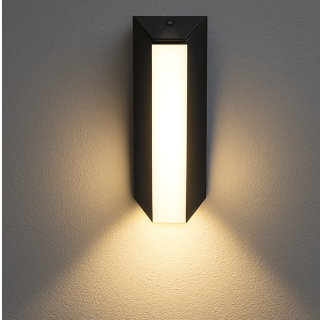
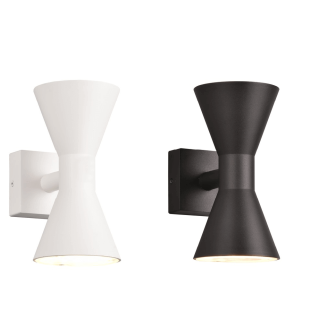
Up-and-down outdoor wall lights are one of the most popular categories in exterior facade lighting for customers who want to combine practical illumination with a strong architectural effect. These fittings project light both upwards and downwards, which means they do more than simply brighten the wall surface. They create a refined lighting pattern that enhances the lines of the building, improves visibility after dark, and gives the exterior a more polished, premium look. That is exactly why up-and-down wall lights are now so closely associated with contemporary facades, well-designed entrance areas, and carefully planned outdoor spaces.

At the same time, this is not a purely decorative category. A well-chosen up-and-down wall light can improve visibility at the entrance, by the terrace, near the garage, or along the wall next to a pathway, while also adding depth and character to the elevation itself. In practice, the customer is no longer choosing just a wall light. They are choosing a fitting that should improve the look of the property, support everyday use, and deliver light exactly where it is needed.

There are 19 products.

Showing 1-12 of 19 item(s)

Why Choose Up-and-Down Outdoor Wall Lights

The biggest advantage of up-and-down wall lights is the way they combine functional illumination with architectural presence. A standard exterior fitting may simply cast light forward or downward. An up-and-down fitting goes a step further by creating a controlled beam above and below the fixture, which helps emphasise the texture of the wall, define the shape of the building, and add a more deliberate lighting effect to the facade.

A second major benefit is the modern design impact. These fittings are especially popular in contemporary homes, minimalist elevations, townhouses, terraces, and modern outdoor living areas. That said, they are not limited to strictly modern architecture. The right model can also work very well on simpler traditional exteriors, around classical entrances, and on garden walls where the goal is to achieve a clean, elegant result rather than a purely decorative statement.

The third advantage is day-to-day usability. The downward beam improves visibility around the wall, entrance, or walkway, while the upward beam adds depth and highlights the structure of the building. This makes one fitting capable of serving both practical and visual purposes at the same time.

How Up-and-Down Outdoor Wall Lights Work

The operating principle is relatively simple, but the final effect depends heavily on the way the fitting is designed. An up-and-down wall light has two directions of light output: one aimed upward and one aimed downward. Depending on the model, the light can be softly diffused, narrowly focused, or optically shaped to create clean cones, sharp lines, or a more sculpted effect on the wall surface.

In more traditional fittings, this may be achieved through two separate light sources or two lamp holders. In more contemporary designs, integrated LED is very common because it allows for a slimmer form, better beam control, and a cleaner architectural look. That is one of the reasons why the market is now dominated by compact aluminium fittings in rectangular, square, or cylindrical forms, often with a very precisely defined light effect.

Some more advanced outdoor wall lights also feature adjustable beam angles, allowing the user to customise the shape of the light on the wall. This is particularly appealing for customers who want a more decorative facade effect or a more technical, controlled lighting pattern depending on the architecture of the building.

What Really Determines the Quality of an Up-and-Down Wall Light

In this category, appearance alone is not enough. Two fittings may look very similar in a product image while delivering completely different results once installed. The quality of the product is defined by several factors working together.

Beam Shape and Light Distribution

This is one of the most important elements. In an up-and-down wall light, the beam should not feel accidental. A well-designed fitting creates a coherent wall effect, whether that means a gentle wash, a sharper cone, or a more architectural pattern. If visual impact matters, it is essential to look beyond wattage and pay attention to how the light is shaped.

Housing Material

Exterior wall lights are exposed to rain, dust, frost, and changing temperatures. For that reason, housing quality matters. In this category, aluminium is extremely common, often paired with glass or durable technical materials. Higher-quality fittings usually stand out through better finishing, stronger build quality, and more durable surface treatment.

IP Rating

Ingress protection is a core technical factor in any outdoor lighting category. In up-and-down wall lights, IP44 is very common, especially for facade and entrance applications, while some models aimed at tougher conditions may go higher. In practical terms, the customer should always assess whether the fitting will be installed in a sheltered position or on a wall more directly exposed to weather.

Light Source

This category includes both replaceable-bulb fittings and integrated LED models. The first option offers more flexibility in choosing wattage and colour temperature, while the second usually delivers a more compact design and better beam control. The right choice depends on whether the customer prioritises visual refinement or flexibility in lamp replacement.

Light Colour

Colour temperature has a major influence on the final result. For entrances, terraces, and residential facades, warm white and neutral white usually work best. Light that is too cool can create a more technical and less welcoming effect, while warm light tends to complement residential architecture, wood, plaster, stone, and concrete finishes more naturally.

Where Up-and-Down Outdoor Wall Lights Work Best

This is a highly versatile category, but it performs best wherever the light is expected to do more than simply illuminate. It works especially well where the fitting also needs to shape the character of the building after dark.

At the Main Entrance

This is one of the most natural installation points. Up-and-down wall lights placed beside the entrance or flanking the doorway create a structured, elegant look and significantly improve the visual quality of the front elevation.

On Front and Side Facades

In these locations, up-and-down fittings help define the architecture of the building and create a stronger visual identity, even on relatively simple elevations. They are an excellent choice for detached homes, terraced housing, and contemporary commercial buildings.

On Terraces and Outdoor Seating Areas

In terrace settings, these fittings combine practical illumination with atmosphere. They are less visually aggressive than more technical flood-style products, while still providing enough light for comfortable use of the space after dark.

Near Garages and Side Walkways

Here they work particularly well as a balance between function and design. They can light the wall and improve visibility without giving the harsh technical feel associated with more industrial exterior fittings.

On Garden Walls and Outdoor Structures

Up-and-down wall lights are also highly effective away from the house itself. Installed on terrace walls, garden partitions, or architectural boundaries, they help create a cohesive outdoor lighting scheme around the property.

How to Choose the Right Up-and-Down Outdoor Wall Light

The best buying decision in this category should not start with price alone. It should start with use case and intended effect.

1. Are You Looking for Decorative Effect or Practical Illumination?

If the main goal is to create a strong visual effect on the facade, choose a fitting with a refined beam pattern and a design-led form. If the light also needs to support visibility at the entrance, stairs, or circulation area, pay more attention to output level and beam usefulness.

2. Is the Installation Area Sheltered or Exposed?

This matters for long-term durability. Covered entrances and protected wall sections may only require a standard outdoor protection level, while fully exposed positions call for a more robust solution.

3. Do You Prefer Integrated LED or a Fitting with Replaceable Bulbs?

If slim proportions and a more contemporary look matter most, integrated LED is often the stronger option. If replaceability and long-term source flexibility are more important, a lamp-holder-based fitting may suit better.

4. Do You Want to Control the Beam Effect?

Some models allow the upper or lower beam to be adjusted. This is a strong feature if the customer wants more control over how the light interacts with the wall, or if the fitting needs to suit a particular facade height or architectural style.

5. What Style Works with the Building?

Modern homes usually pair best with black, anthracite, graphite, or dark grey fittings in clean-lined geometric shapes. In more traditional settings, softer forms or less severe designs may work better. Because the fitting is highly visible on the wall, it should always be selected as part of the broader exterior design language.

The Most Popular Types of Up-and-Down Outdoor Wall Lights

This category can be divided into several strong buying groups, each answering a slightly different customer need.

Modern Up-and-Down Facade Lights

These are the most common choice for contemporary homes and clean architectural forms. Minimalist styling, dark finishes, and controlled beams dominate this segment.

LED Up-and-Down Wall Lights

Integrated LED models stand out for their slim appearance, efficiency, and more precise beam control. They are often chosen when the customer wants a more refined, design-led lighting effect.

Adjustable-Beam Up-and-Down Lights

These are ideal for customers who want more control over the wall effect and prefer to customise the appearance of the light rather than accept a fixed output pattern.

Up-and-Down Wall Lights with Motion Sensor

This is a practical combination of design and automation. Sensor-equipped models work especially well by entrances, gates, garages, and other access points where the light should operate only when needed.

Up-and-Down Lights for Terraces

These are more atmosphere-driven fittings, often selected to complement a terrace or outdoor lounge area with elegant, glare-controlled light.

The Most Common Buying Mistakes

One of the most common mistakes is choosing purely from the product image. A fitting may look excellent online, but if its beam is too weak, too broad, or unsuited to the wall surface, the installed result may disappoint.

Another mistake is underestimating the importance of the IP rating. Not every wall light is equally suitable for a fully exposed exterior wall, especially where the fitting may be subject to frequent rain and dirt.

A third problem is ignoring light colour. Many customers focus only on the form of the fitting, only to discover later that the light is too cool, too sharp, or simply not right for the character of the property.

A fourth mistake is poor placement planning. In this category, rhythm and symmetry matter. Two well-positioned fittings can create a much stronger and more premium result than one randomly placed lamp with a higher output.

Up-and-Down Wall Lights and the Premium Exterior Effect

This category is one of the simplest ways to give a building a more refined and contemporary appearance after dark. Up-and-down wall lights are not random accessories. They help structure the facade, highlight vertical and horizontal lines, bring out surface finishes, and raise the perceived quality of the overall design.

In practice, even a relatively simple elevation can look far more premium once it is lit with the right up-and-down fittings. That is one of the reasons these products are so often selected not only by homeowners, but also by architects, terrace designers, apartment developers, and owners of contemporary commercial spaces.

What to Know Before Buying – Practical and Honest

An up-and-down outdoor wall light is not the right answer for every situation. If the main requirement is strong, wide-area task light for a technical zone, a garage yard, or a large service space, a more utilitarian exterior fitting may be the better option. Up-and-down wall lights work best where design and function need to coexist.

It also helps to think of this category as part of a broader outdoor lighting scheme. A single fitting may look good on its own, but the best results usually come when these lights are used as part of a coordinated composition across the entrance, terrace, facade, and surrounding circulation areas.

FAQ – Frequently Asked Questions

What is an up-and-down wall light?

It is a wall-mounted fitting that emits light both upward and downward. This creates a visible lighting effect on the facade while also improving visibility around the wall surface.

Do up-and-down outdoor wall lights provide a lot of light?

That depends on the model. Some are primarily decorative, while others are more functional. It is important to assess not only the design, but also the output and beam distribution.

Are up-and-down wall lights suitable for the main entrance?

Yes. This is one of the most common applications. They work particularly well at entrances because they combine architectural impact with useful light.

What IP rating should I choose?

For outdoor use, always select a fitting designed specifically for exterior conditions. In more sheltered areas, standard protection levels may be enough, while more exposed positions call for higher weather resistance.

Is integrated LED better than a fitting with replaceable bulbs?

If you want a cleaner, more contemporary form, integrated LED is often the stronger option. If source replacement flexibility matters more, a fitting with a standard lamp holder may be preferable.

Are up-and-down wall lights only for modern houses?

No. Although they are most strongly associated with contemporary architecture, the right design can also work very well on simpler and more classic facades.

Is an adjustable beam worth having?

Yes, especially if you want greater control over the wall effect and a closer match to the height, material, or character of the facade.

Are up-and-down wall lights a good choice for terraces?

Yes. They are one of the most effective categories for terraces because they provide elegant, low-glare light without flooding the whole space.