Top 7 Stone Wall Lights – 2026 Ranking
10/17/2026 18:33:51
Filter By
Filter By
BLOG

Glass pendant lights with glass shades are a timeless lighting solution that works in any interior setting. Glass pendant lights combine elegance with functionality, making them a popular choice for homes, apartments, offices, and commercial spaces. Universal glass globes and shades softly diffuse light, creating a comfortable atmosphere while also serving as a strong decorative feature.
Glass is a durable and visually refined material that interacts exceptionally well with light. Glass pendant lamps are available in a wide range of shapes, colours, and finishes – from clear and opal to smoked and tinted – allowing easy adaptation to different interior styles. They work perfectly as lighting above dining tables, kitchen islands, in living rooms, bedrooms, and bathrooms, including as pendant lights positioned on both sides of a mirror.
Glass pendant lights suit modern, classic, glamour, industrial, and minimalist interiors. Regardless of form – spherical, simple shades, or decorative designs – they provide balanced, visually comfortable light and enhance the overall character of the space.
There are 510 products.
sortSort by:
Glass pendant lights are among the most versatile and timeless lighting categories used in both residential and commercial interiors. They combine refined aesthetics, visual lightness, and high functional value, which is why they are consistently specified in modern apartments, classic homes, restaurants, hotels, and design-led office spaces. Glass as a material interacts with light in a unique way – it diffuses, filters, warms, or exposes the light source depending on its finish and form.
This category includes glass pendant lights designed for kitchens, dining rooms, living rooms, bedrooms, hallways, and open-plan or double-height interiors. These solutions address both aesthetic expectations and technical requirements of customers across Poland and the wider European market. A well-chosen glass pendant light is not merely a light source – it becomes a focal point of the interior and directly influences everyday comfort and spatial perception.

In lighting design, glass acts as an active light-modulating medium. Unlike many synthetic materials, it does not visually degrade over time, remains resistant to heat, and is easy to maintain. Most importantly, it allows precise control over the quality and character of light within a space.
Glass shades can evenly diffuse light and reduce glare, highlight decorative LED light sources, warm the perceived colour temperature, create ambience, and introduce reflections, depth, and visual structure. As a result, glass pendant lights perform equally well as functional task lighting and as decorative, mood-defining elements.
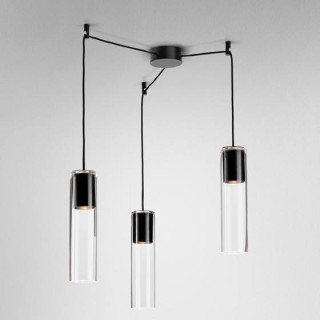
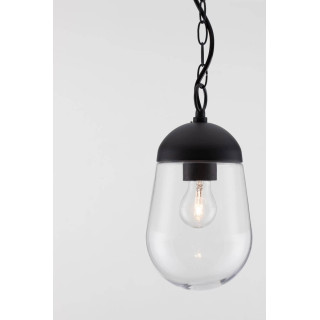
Clear glass pendant lights emphasize the form of the bulb and the construction of the fixture itself. They deliver a bold, contemporary look and are particularly well suited to loft, industrial, and minimalist interiors. For optimal comfort, they are best paired with decorative filament LED bulbs and carefully selected light output to avoid excessive glare.
Opal glass shades provide soft, evenly diffused light. This is the most universally applied solution for dining rooms, living areas, and bedrooms, where eye comfort and a calm atmosphere are essential. Glass pendant lights with opal shades work exceptionally well as primary lighting or as part of layered lighting schemes.
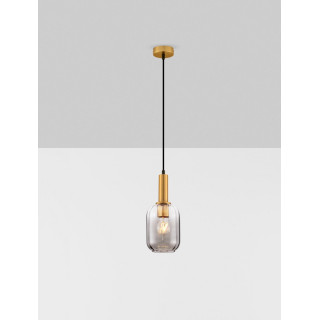
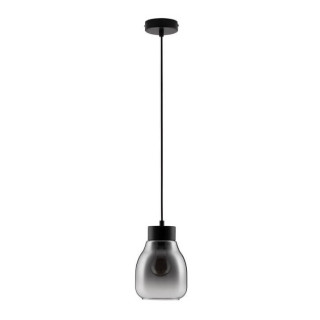
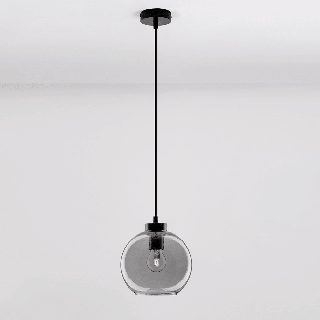
Smoked glass introduces visual depth and a sophisticated, moody character. It is frequently chosen for modern kitchens, living rooms, and open-plan interiors. Because tinted glass absorbs part of the light output, adequate lumen levels or multiple light points should be considered during planning.
Coloured glass, especially in amber tones, adds warmth and a welcoming feel to interiors. It is ideal for soft loft concepts, Japandi-inspired spaces, modern classic interiors, and Art Deco schemes. It pairs particularly well with black finishes, brass, brushed gold, and natural wood.
Ribbed and prismatic glass introduces surface texture and subtle light refraction. These shades break up the light beam, improving visual comfort while adding decorative interest even when the fixture is switched off.

Glass pendant lights used in kitchens and above islands should deliver focused, shadow-free task lighting. Sets of two or three pendants arranged evenly above the work surface typically provide the best balance between functionality and aesthetics. Key considerations include luminous output, colour temperature, and dimming capability.
In dining areas, glass pendant lights must balance practicality with ambience. Soft, diffused light encourages long, comfortable gatherings, while dimming allows easy adaptation from everyday meals to evening dining.
In living rooms and entrance halls, pendant lights often serve as statement pieces. Large glass globes, multi-point compositions, or cascading arrangements emphasize ceiling height and create a refined, architectural presence.
In bedrooms, glass pendant lights are increasingly used instead of traditional bedside lamps. Warm, low-glare light sources provide a calm atmosphere while freeing up surface space and reinforcing a contemporary aesthetic.
When selecting a glass pendant light, luminous flux measured in lumens is more important than wattage. It defines the actual amount of usable light in the space. Colour temperature should be aligned with the function of the room – warmer tones support relaxation, while neutral tones are better suited for work-oriented areas.
Dimming capability significantly enhances usability and comfort. Compatibility between the light source, driver, and control system is essential. Attention should also be paid to the fixture’s protection rating and intended installation environment, particularly in kitchens and areas exposed to moisture.
Correct scale is crucial to achieving a balanced interior. Above kitchen islands, multiple smaller pendants typically perform better than a single large fixture. Over dining tables, proportions between table width and fixture size should be carefully maintained to ensure visual harmony and professional design results.

Glass pendant lights adapt seamlessly to a wide range of interior styles. Contemporary interiors favour clean forms and clear glass, Japandi and Scandinavian spaces rely on opal shades and muted tones, Art Deco and modern classic designs highlight ribbed glass and refined finishes, while loft interiors embrace raw forms and visible light sources.
Glass is a durable and hygienic material that retains its appearance for many years. Regular cleaning with appropriate materials keeps shades clear and visually appealing. In kitchen environments, ease of shade removal is an important practical consideration for long-term maintenance.
A successful choice of glass pendant lighting begins with defining its function, selecting the appropriate glass type for visual comfort, verifying technical specifications, ensuring correct scale and suspension height, and considering the environmental conditions of the space.
Glass pendant lights combine aesthetics, technology, and functionality. When properly selected, they enhance interior character while delivering comfortable, well-balanced, and future-proof lighting solutions. This is a choice that remains relevant regardless of changing trends and evolving design directions.

Yes, if the bulb is visible and has high luminance. This is normal. You reduce glare by using a dimmer, choosing a frosted bulb instead of a clear filament, or selecting opal, ribbed, or prismatic glass. The more exposed the light source, the higher the risk of glare.
Hang them so the bottom of the shade is approximately 75–90 cm above the countertop. This is the starting point. Then adjust for user height, shade size, and ceiling height. The light must not block the view or shine directly into the eyes.
Most often, two or three. A single large pendant rarely provides even illumination. Multiple smaller pendants distribute light better and look more balanced. Space them symmetrically and keep a safe distance from the island edges.
The shade must not be too small or visually overpowering. Over long tables or islands, several smaller pendants usually work better than one oversized fixture. With high ceilings, increase the shade size or use a cascading arrangement to maintain proper proportions.
Yes, especially clear and smoked glass. Grease and dust are unavoidable in kitchens. To reduce cleaning frequency, choose opal glass, simple shapes, and fixtures that allow easy shade removal. Above cooktops, regular cleaning is unavoidable.
Clear glass pairs best with decorative LED filament bulbs, but only with dimming or low luminance. Opal and ribbed glass work well with standard high-quality LED bulbs. If you want full control and no bulb replacement, choose a fixture with an integrated LED module.
It depends on the glass type and function. Smoked and coloured glass requires higher lumen output than opal glass. Over islands and tables, do not rely on pendants alone—plan additional general lighting. Pendant lights should support the space, not replace the entire lighting system.
For living rooms, dining rooms, and bedrooms, choose 2700–3000K. For kitchens, 3000K is the most common choice. Use 4000K only where neutral, task-focused light is required. With amber or heavily tinted glass, avoid very warm light, as it can appear overly yellow.
No. The light source or driver must be dimmable and compatible with the dimmer. LED flickering is usually caused by mismatched electronics. If you plan to dim, choose only fixtures and light sources clearly specified as dimmable.
Yes, in most cable-suspended fixtures. Rigid rods and fixed suspensions depend on the fixture design. Adjustments must follow the manufacturer’s instructions and installation standards. Incorrect height is a common cause of glare and poor visual results.
See also:
check_circle
check_circle