Recent Articles

Low-voltage 3V–24V stair lights

Low Voltage Stair Lights 3V–24V – Modern Step Lighting for Driver-Based Systems

Low voltage stair lights 3–24V are designed for projects where safety, visual control, and system compatibility matter just as much as appearance. Instead of running directly from mains voltage, these fittings operate through a suitable LED power supply, which makes them a strong choice for well-planned staircase lighting in homes, apartments, offices, and premium residential projects.

In practice, this type of lighting gives much more than simple step illumination. It creates a guided light line along the staircase, improves visibility after dark, and supports a cleaner, more architectural lighting effect. That is why low-voltage stair lights are widely used in modern interiors where lighting is expected to work as part of a complete system rather than as a collection of isolated fixtures.

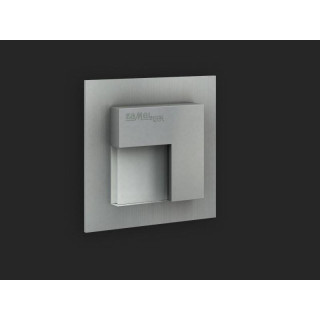
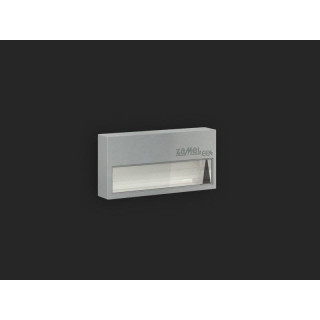
There are 27 products.

Showing 1-12 of 27 item(s)

Why Choose 3V–24V Stair Lights?

One of the biggest advantages of low-voltage step lighting is installation flexibility. Stair lights designed for 10–24V systems work with an LED driver that supplies the correct operating voltage to the fittings. This makes it easier to design a coordinated lighting setup, match the fixtures to motion sensors or stair controllers, and create a consistent visual result across the entire staircase.

Another major advantage is light quality. Stair lighting should not be harsh or visually aggressive. The most effective fittings provide controlled, low-glare illumination that clearly defines each step without creating discomfort. This is one of the reasons why low-voltage LED step lights are so often chosen for circulation spaces: they support visibility, preserve visual comfort, and help build a more refined lighting scheme.

What Does a Low Voltage System Offer in Real Projects?

In real-world applications, a 10–24V system gives more control over the whole installation. It is easier to calculate the total wattage, select the right power supply, connect multiple fittings, and integrate the stair lights with motion sensors, sequence controllers, or smart lighting components. That makes low-voltage systems especially attractive in projects where lighting needs to look clean, behave predictably, and remain easy to expand in the future.

How Do Driver-Based Stair Lights Work?

Low voltage stair lights do not connect directly to 230V mains in the same way as standard line-voltage fittings. They require a suitable LED driver or power supply that converts the incoming supply to the correct output voltage for the fixture. Depending on the product family, this may be 10V, 12V, 14V, or 24V.

That driver is not just an accessory. It is a core part of the lighting system. It affects output stability, LED lifespan, dimming behaviour, and overall system reliability. A well-matched driver helps the fittings perform evenly and consistently, while a poor match can reduce performance or create unnecessary installation problems.

Why Is the Driver So Important?

The driver is effectively the control centre of a low-voltage lighting setup. It helps deliver the correct voltage, supports stable light output, and protects the LED load under normal operating conditions. In a properly designed system, the fittings, driver, wiring, sensors, and controller all work together as one coordinated installation.

12V or 24V Stair Lights – Which One Should You Choose?

This is one of the most common buying questions in the category. 12V stair lights remain very popular because they are widely available, straightforward to specify, and compatible with many standard sensors and controllers. They work very well in many residential staircase projects.

24V systems are often preferred in larger or more demanding installations. Where longer cable runs or more fittings are involved, 24V can help maintain more consistent brightness and reduce the impact of voltage drop across the system. That does not mean 24V is automatically the better choice in every case. The correct solution always depends on the fitting specification, wiring layout, total load, and the structure of the installation.

What About 10V and 14V Stair Lights?

Some step lights are designed for specific low-voltage system families and may operate at 10V or 14V instead of the more common 12V or 24V. These products are typically used in matched systems with dedicated accessories, controllers, and installation logic. They can be an excellent choice where the goal is not just to buy a fitting, but to build a complete staircase lighting solution with coordinated components.

Which Low Voltage Stair Lights Are Best?

The best choice depends on the type of interior, the required mounting method, and the effect you want from the light itself. In contemporary projects, recessed step lights are especially popular because they create a built-in, architectural finish. Once installed, they become part of the wall or staircase detail rather than a visually dominant object.

In refurbishment projects, surface-mounted fittings can be the more practical option. They usually require less structural work and allow lighting to be upgraded without major intervention. In both cases, the light effect matters just as much as the fitting style. On stairs, the most successful products are usually those with controlled downward distribution, low glare, and a soft, even output that clearly marks the walking line.

Are Motion Sensor Stair Lights Worth It?

Yes, especially in homes with frequent night-time movement or staircases used as a regular circulation route. Motion sensor stair lights switch on only when needed, which improves convenience and supports energy efficiency. In low-voltage systems, they can also be combined with dedicated staircase controllers for more advanced activation scenarios, including progressive step-by-step lighting.

What Light Colour Works Best on Stairs?

In most interior stair projects, warm white or neutral white gives the best result. Warm white creates a softer and more residential atmosphere, making it a natural fit for timber, beige tones, stone finishes, and calm domestic interiors. Neutral white works well in cleaner, more contemporary spaces where the staircase is part of a sharper architectural composition.

Colour temperature matters, but distribution matters just as much. Stair lighting should feel readable and comfortable rather than bright for the sake of brightness. A fitting with soft output and good glare control will usually perform better than a more powerful product with poor light discipline.

What Should You Check Before Buying 10–24V Stair Lights?

Before choosing a product, it is worth reviewing the voltage compatibility between the fitting and the driver, the combined wattage of the system, the beam direction, build quality, mounting type, light colour, and compatibility with sensors or controllers. In larger installations, the cable layout and planned run length should also be considered, because voltage behaviour across the system affects brightness consistency.

This is why low-voltage stair lights should never be chosen on appearance alone. In this category, a fitting works best when it is part of a correctly planned system. The most successful installations are those where the technical side and the visual side support each other from the start.

Which Low Voltage Stair Lights Perform Best in Practice?

The strongest products are usually LED step lights with stable low-voltage operation, good finish quality, controlled light output, and reliable compatibility with driver-based systems. In residential interiors, discreet fittings with low glare and sensor compatibility are especially popular. In more advanced projects, buyers often look for a complete ecosystem: fitting, driver, controller, and accessories designed to work together.

Low Voltage Stair Lights 10–24V – Better Control, Better Lighting

A well-designed low-voltage stair lighting system improves everyday comfort in a very practical way. It makes movement easier after dark, supports the architecture of the space, and gives much more control over how the light behaves across the staircase. Rather than acting as a simple add-on, it becomes part of a considered lighting strategy.

If you are looking for step lights for a driver-based installation, it makes sense to think in system terms rather than fixture-only terms. That is where 10–24V stair lights deliver the most value. When matched correctly with the right power supply and control components, they create staircase lighting that looks professional, works reliably, and responds properly to how the space is actually used.