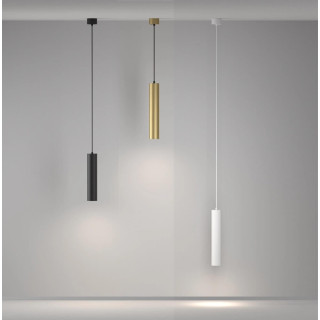
Top 7 Stone Wall Lights – 2026 Ranking
10/17/2026 18:33:51
Filter By
Filter By
BLOG

The living room is one of the most important spaces in the home—second only to the kitchen in terms of daily use. It is where we relax after work, spend time with family and friends, watch television, play with children, and build everyday comfort. For this reason, well-designed living room lighting, and especially pendant lights for the living room, plays a crucial role in both the functionality and the atmosphere of the interior.
Living room pendant lights serve far more than a single purpose today. They function simultaneously as a light source, a decorative feature, and a tool for zoning the space. Designer pendant lights—whether modern, classic, minimalist, with or without a shade—allow lighting to be tailored to the interior style and the individual needs of the household. The right light color, fixture design, and hanging height directly influence visual comfort and the overall perception of the space.
In our collection, you will find carefully selected pendant lights for the living room that work equally well as primary lighting or as part of a layered lighting concept. Choose the perfect pendant light, draw attention, and transform the character of your interior by creating a living room that truly reflects your lifestyle.
There are 1308 products.
sortSort by:
The living room is the heart of the home and one of the most demanding spaces when it comes to lighting. This is where we relax, host guests, spend time with family, and increasingly also work or watch TV. For that reason, living room pendant lights serve far more than a purely decorative purpose. They are a key element of the interior scheme, influencing comfort, ambience, ergonomics, and the overall perception of the space.
A well-chosen living room pendant light can highlight the interior style, visually organize the space, define functional zones, and deliver an optimal light level both during the day and in the evening. In contemporary interiors, it is increasingly treated as part of the room’s lighting architecture rather than merely a light source.

Living room pendant lights occupy a unique position in the lighting hierarchy because they combine three essential roles: functional, aesthetic, and emotional. They are often the first feature your eye catches upon entering the room and they strongly influence the first impression.
Unlike flush mounts or recessed fixtures, a pendant light adds depth to the interior, allows you to shape light at different heights, and precisely illuminate selected zones. It can become a strong design focal point or a subtle element that brings order and coherence to the arrangement.
In modern interior design, a pendant light in the living room rarely works alone. The best results come from layering several types of light: ambient, task, and mood lighting. This approach improves comfort, reduces harsh contrasts, and makes the space more adaptable for everyday use.
Before choosing a specific model, it is worth defining what role the pendant light should play. Its technical parameters, style, and form should follow from that decision.
If the pendant light is intended to be the primary light source in the living room, the most important factors are sufficient luminous output, an even light distribution, and glare control. In this role, fixtures with diffused light, an opal shade, or modern LED pendants typically perform best.
In many living rooms, a pendant light is positioned above a coffee table or the central part of the seating area. Its purpose is then to create atmosphere and visually define the zone. Height adjustability becomes important, as does choosing a fixture scale that remains proportional to the furniture.
Increasingly, living room pendant lights function as a design statement. They stand out through form, material, or a distinctive arrangement of light points. In such cases, the light tends to be softer, and the fixture becomes one of the key elements shaping the interior’s character.

Warm and warm-white tones work best in living rooms. The 2700–3000K range is considered the most versatile because it supports relaxation and pairs well with natural materials, wood, and textiles. Pendant lights with dimming and dynamic color temperature adjustment are growing in popularity, as they make it easy to match the mood to the time of day and the activity.
A high color rendering index matters significantly in a living room, where aesthetics play a central role. Pendant lights with a CRI of 90 or higher reproduce the colors of furnishings and décor more faithfully, which directly improves the overall perception of the interior.
Selecting the right lumen output helps achieve a comfortable brightness level without eye fatigue. In the living room, light should feel even and pleasant, and the required output should always be assessed in relation to floor area, ceiling height, and the presence of additional light sources.
Comfort depends heavily on whether the light source causes direct glare. Well-designed living room pendant lights use shades, diffusers, or optical constructions that direct light indirectly or distribute it evenly, reducing the risk of discomfort.
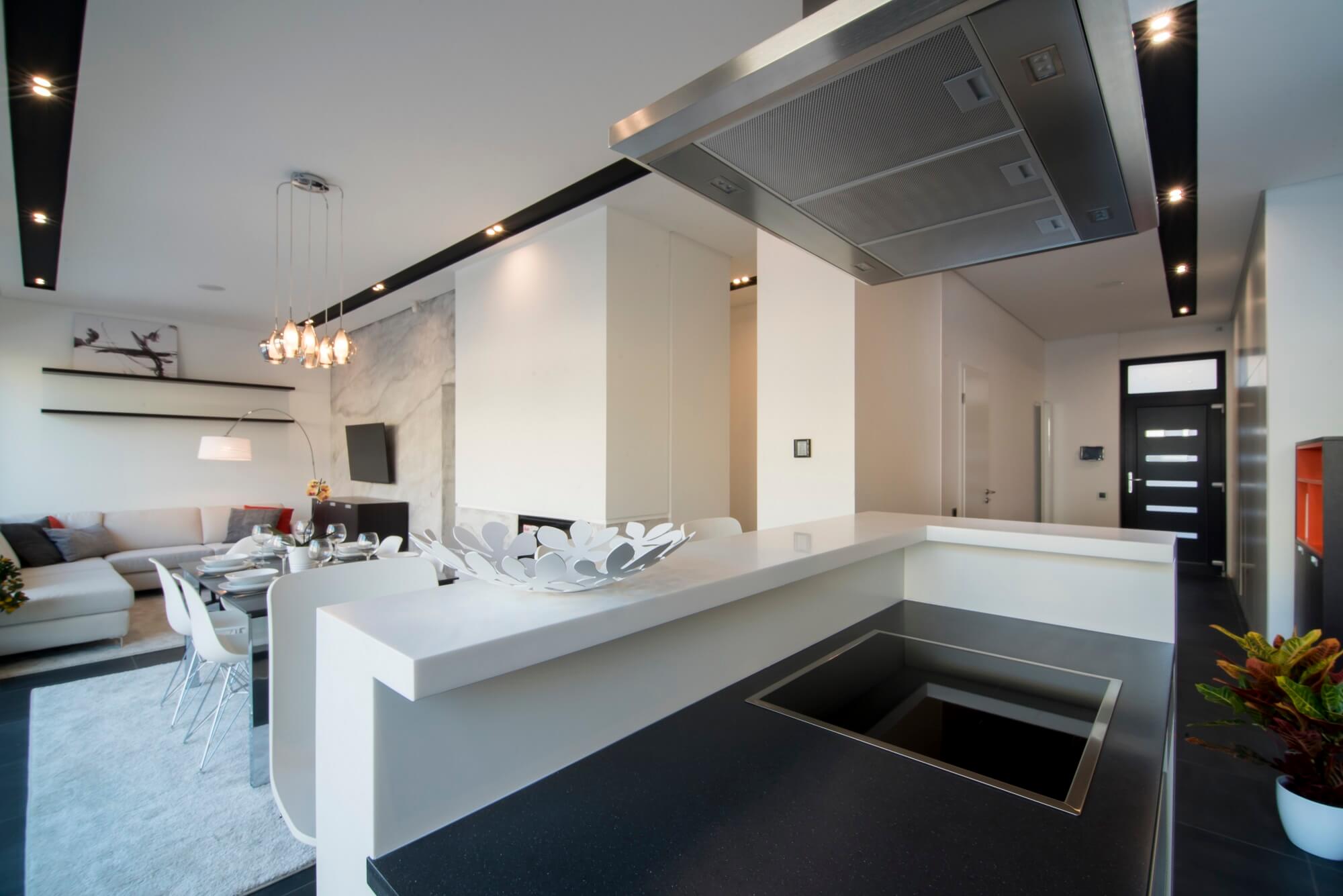
The hanging height of a pendant light is critical for both ergonomics and aesthetics. A fixture hung too low can obstruct movement and disrupt the proportions of the room, while one installed too high may lose its decorative impact.
In circulation areas, you need to maintain clear headroom, while above a coffee table or dining table the height should be set individually, taking into account fixture size and the furniture layout. Adjustable cord length is a major advantage in this context.
These schemes favor simple shapes and restrained color palettes. LED pendant lights in the form of rings, linear elements, or slim cylinders fit perfectly into this style while offering strong functionality.
Metal structures, raw finishes, and expressive shades make the pendant a bold design accent. In such interiors, light quality is especially important because the source is often visible.
Here, pendant lights act as the room’s jewelry. Glass, chrome, gold, or crystal-like details require high-quality light that enhances elegance without creating harshness.
Natural materials, light colors, and soft illumination create a calm, harmonious atmosphere. Pendant lights with fabric or opal shades align perfectly with this aesthetic, delivering a warm, inviting glow.
Pendant lights with integrated LED enable modern, slim forms and offer high energy efficiency. Models designed for replaceable bulbs provide greater flexibility in choosing color temperature and output, and they make future replacement easier.
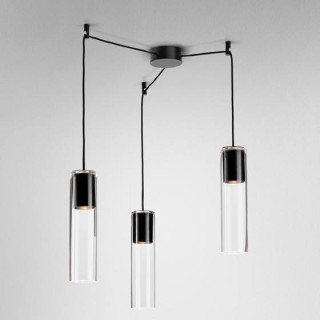
In smaller living rooms, visually light fixtures or compositions of several smaller pendants tend to work best. In larger spaces, you can opt for more expressive forms, multi-light pendants, or large designer structures.
In living rooms connected to the kitchen or dining area, it is worth maintaining stylistic consistency across lighting while differentiating function and light character between zones.
A properly selected living room pendant light is an investment in comfort, aesthetics, and day-to-day functionality. The combination of high-quality light, refined form, and modern technology makes lighting an integral part of the interior design.
A thoughtful pendant light choice helps create a living room that is not only visually impressive but also comfortable and tailored to the household’s everyday lifestyle.

At what height should a pendant light be hung in the living room?
In most living rooms, the bottom edge of the pendant light should be positioned high enough to avoid interfering with circulation and to prevent glare when seated. As a starting point, ensure safe clearance in walkways and then fine-tune the height based on the sofa layout, coffee table position, and typical eye level. If the pendant hangs above the seating area, position it so the light source does not shine directly into the eyes and does not cut across the TV viewing field.
How do I choose the right pendant size for the living room?
Selecting the right size is a matter of proportion: a pendant that is too small looks accidental, while one that is too large overwhelms the space and disrupts visual balance. The most reliable approach is to match the fixture’s diameter or length to the scale of the zone it is meant to highlight (such as the seating area), rather than to the total room size alone. In smaller living rooms, visually lighter shades and slimmer forms work best, while larger spaces can accommodate bolder pendants with greater diameter or multi-light compositions.
How many lumens should a living room pendant light have?
This depends on whether the pendant is intended as the main light source or as part of a layered lighting scheme. Customers often search for a simple “lumens per square meter” figure, but in practice what matters is the combined light output from all fixtures and the ability to adjust brightness. If the pendant serves as general lighting, it will need significantly more lumens than when wall lights, floor lamps, and LED accents are also present. The most effective strategy is sufficient brightness combined with dimming, as the living room requires different lighting scenes throughout the day.
Which color temperature is best for the living room: 2700K or 3000K?
The most commonly chosen option is warm white 2700K, as it creates the coziest, evening-oriented atmosphere. 3000K is more versatile and can be preferable when the living room also serves active functions such as reading, hobbies, or desk work, or when the interior features cooler materials and lighter finishes. For maximum flexibility, consider dimming or dim-to-warm solutions, which become warmer as brightness is reduced.
Does CRI 90 matter in the living room, and is it worth paying extra?
Yes. A CRI of 90 noticeably improves how the interior is perceived, as colors of fabrics, wood, and décor appear more natural. This is particularly important in living rooms with warm color palettes, textiles, artwork, plants, and premium elements, where light quality is just as important as fixture design. If the living room is representative or highly decorative, CRI 90+ is one of the safest upgrades in terms of final visual effect.
Do I need a dimmer for a living room pendant light?
If you want the living room to be comfortable at any time of day, the answer is yes—it is worth it. A dimmer allows you to move seamlessly from bright cleaning or task lighting to a relaxed evening atmosphere without changing fixtures. The key is technical compatibility: not every LED bulb and not every driver works with every dimmer. When purchasing, confirm that both the fixture and the light source are rated as dimmable and check which control method is required.
Integrated LED or a fixture with replaceable bulbs—which is better for the living room?
Integrated LED is the best choice if you value a modern, slim form (ring, line, thin profile) and built-in features such as dimming, stable color performance, or smart control in selected models. A fixture with replaceable bulbs is better if you want to easily change color temperature and brightness, prefer straightforward servicing, or enjoy the look of a visible bulb. Both solutions work well in living rooms; the decision should follow your priority: design and integrated features versus replaceability and flexibility.
How many pendant lights should I choose: one large or several smaller ones?
This common dilemma depends on the room layout. One large pendant creates a strong central focal point and works best when the living room has a clear compositional axis. Several smaller pendants can zone the space more effectively, add visual rhythm, and often suit modern interiors and open-plan living rooms connected to a dining area. A practical rule is: for a decorative statement, choose one dominant form; for flexibility and more even light distribution, choose a composition.
How can I avoid glare and the “the light is in my eyes” effect?
This is one of the most frequent issues after installation. Look for fixtures with a shade, diffuser, or glare shield that conceals the light source, and avoid placing exposed bulbs or LEDs directly in your line of sight from the sofa. Choosing the right color temperature and using dimming also helps, as overly bright light in the evening feels subjectively harsher. If the pendant has an open design, selecting a bulb with comfortable luminance and setting the hanging height to keep the source out of direct view are critical.
Which pendant light is best for a living room with a TV to avoid reflections and eye strain?
The best solutions provide soft, diffused, and preferably indirect light rather than a sharp, forward-facing beam. In practice, fixtures with a diffuser, opal shade, reflected light, or optics that avoid directing intense light onto the screen work best. It is equally important to add a second lighting layer—such as a floor lamp or wall light—to reduce the contrast between a bright screen and a dark background. Dimming is also essential, allowing you to set gentle background lighting without compromising viewing comfort.
See also:
check_circle
check_circle