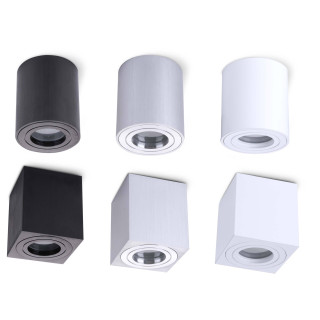
Top 7 Stone Wall Lights – 2026 Ranking
10/17/2026 18:33:51
Filter By
Filter By
BLOG

Ceiling lighting in the bathroom shapes both the functionality and the visual character of the space. Properly selected fixtures enhance everyday comfort and highlight the room’s style. When choosing lighting, it is important to consider the room’s size as well as specific conditions such as increased humidity—especially when aiming for cohesive and long-lasting bathroom ceiling lighting.
Safety is a top priority when selecting bathroom fixtures. Lights should have the appropriate IP rating to protect against moisture and accidental contact with water, reducing the risk of damage and increasing the safety of household members.
Functionality goes hand in hand with ambiance. Ceiling lighting helps create a relaxing atmosphere while enhancing the interior design, which is why fixtures should be chosen to complement the overall style of the bathroom.
Ceiling lighting serves both a practical and decorative purpose. Paying attention to technical parameters as well as visual qualities allows you to create a space that is harmonious, comfortable, and safe for everyday use.
There are 208 products.
sortSort by:
Ceiling lighting in the bathroom provides even light distribution, which is essential for both comfort and safety. It allows you to perform everyday tasks without limitations—from shaving to applying makeup. Good lighting enhances visibility and reduces the risk of slips, mishaps, or minor accidents.
The role of ceiling lights goes beyond practicality. Properly selected light sources influence the room’s ambiance, turning the bathroom into a space that promotes relaxation. Well-planned bathroom ceiling lighting highlights the interior design and creates an environment that is both inviting and functional for daily use.
Ceiling lighting in the bathroom performs several important functions. First and foremost, it provides uniform illumination that supports everyday activities such as grooming and makeup application. Depending on the type of fixture, it may also serve as task lighting, directing the beam precisely where it is needed for greater accuracy.
Ceiling-mounted lights also serve a decorative purpose, emphasizing the style and personality of the bathroom. Increasingly popular are dimmable fixtures, allowing users to adjust light intensity and create the desired mood—from bright, functional illumination to soft, atmospheric lighting ideal for unwinding.
Modern solutions often include integration with smart home systems. These allow users to control the lighting via mobile apps or voice assistants, making bathroom ceiling lighting practical, visually appealing, and fully aligned with contemporary needs.

Ceiling lights designed for bathrooms must meet strict safety standards to ensure user comfort and peace of mind. The key factor is an appropriate IP rating, which protects fixtures from moisture and reduces the risk of electrical short circuits in a demanding environment.
Such lighting also affects the room’s usability. Light of the right color temperature and intensity supports relaxation while ensuring adequate visibility for daily routines. Well-selected fixtures highlight the interior design and improve its functionality.
When choosing bathroom ceiling lighting, it is important to opt for materials resistant to moisture. These solutions combine durability, safety, and aesthetic appeal, making them essential elements of any bathroom arrangement.
Ceiling lights play a crucial role in shaping the ambiance of the bathroom. They make it possible to achieve a variety of lighting effects that define the room’s character. Warm light tones create a cozy, relaxing environment, while cooler shades add energy and freshness.
Modern fixtures offer extensive options for adjusting brightness and color temperature, allowing you to tailor bathroom ceiling lighting to your personal preferences. As a result, the bathroom can function as both a peaceful retreat and a dynamic space that helps you start the day in a positive mood.
Ceiling lights used in bathrooms must meet several essential criteria. The most important is the appropriate IP rating, which protects fixtures from moisture and water exposure, ensuring safety in a humid environment. Moisture resistance reduces the risk of electrical failures and extends the lifespan of the installation.
Aesthetic qualities also matter—the design should harmonize with the interior style, while the materials influence both durability and appearance. Energy efficiency is another major advantage, helping reduce electricity consumption and lower utility costs.
Increasingly popular are models equipped with additional features such as adjustable brightness or smart home integration. As a result, modern bathroom ceiling lighting offers not only basic illumination but also enhanced comfort and advanced functionality.
The market offers a wide variety of bathroom ceiling lights to meet different user needs.
Choosing the right bathroom ceiling lighting depends on the room’s size, style, and the user’s expectations regarding functionality and appearance.
Bathroom ceiling lights come in a variety of styles, allowing you to match the lighting to the interior’s character.
Minimalist fixtures feature clean lines and simplicity, complementing modern spaces.
Industrial lights incorporate raw materials and exposed structural elements, making them perfect for loft-inspired designs.
Scandinavian-style fixtures emphasize natural materials and a bright, welcoming atmosphere.
Glamour lights add elegance with glossy finishes and luxurious detailing.
Ethno-style lights introduce rich patterns and vivid colors, giving the bathroom a unique identity.
When selecting bathroom ceiling lighting, it is essential to consider both personal preferences and the room’s design concept to maintain a cohesive and aesthetically pleasing arrangement.
For bathroom lighting, materials must be moisture-resistant and easy to maintain.
Glass is valued for its durability and refined appearance.
Metal, especially stainless steel, performs exceptionally well in humid environments, offering both modern design and robustness.
High-quality plastics with suitable IP protection provide effective water resistance and are easy to clean.
When choosing materials for bathroom ceiling lighting, it is important to consider durability, ease of care, and whether the fixture complements the overall interior design.
The most energy-efficient bathroom ceiling lights are those that use LED technology. LEDs consume very little power and offer an exceptionally long lifespan, making them one of the most cost-effective lighting solutions on the market.
Another advantage of LED lighting is the ability to adjust brightness, allowing you to set the illumination level to your current needs while reducing energy usage. Bathroom ceiling LED lighting therefore provides functionality, energy savings, and enhanced comfort.
When selecting bathroom ceiling lights, several practical aspects should be considered. Easy installation is important, allowing for quick and trouble-free setup. The availability of replacement parts and after-sales service is also essential for future maintenance or upgrades.
Safety remains a top priority. An appropriate IP rating protects fixtures from moisture and water, minimizing the risk of electrical issues. Aesthetic harmony is also crucial—the fixture’s design should match the bathroom décor, just as stylish lighting from brands like Aqform effortlessly complements any interior.
Energy-efficient solutions are increasingly popular, helping reduce operating costs. As a result, bathroom ceiling lighting combines practicality, safety, and aesthetic value, becoming an integral part of well-designed interiors.

To ensure safety and longevity, bathroom lights should have a high IP rating that protects against moisture and direct water exposure. Sealed, hermetic fixtures are the most effective choice.
Corrosion-resistant materials—such as stainless steel or specially protected plastics—also enhance durability. LED technology is an excellent choice as well, offering low energy consumption and long-lasting performance. These features ensure that bathroom ceiling lighting remains reliable even in challenging, humid environments.
Bathroom ceiling light prices vary depending on materials, design, and technology:
Budget models made from plastic start at around 50 PLN, offering a simple, cost-effective solution.
Mid-range fixtures cost between 150 and 400 PLN and are often made from metal or glass, sometimes including features such as dimming.
High-end designer lights can exceed 1000 PLN, appealing to those seeking premium aesthetics and advanced functionality.
The right choice should balance interior style with budget to achieve both aesthetic appeal and practical performance.
Bathroom lighting—much like LED bathroom wall lights—greatly influences the perception of space, particularly in smaller bathrooms. Evenly distributed light optically enlarges the room and improves everyday comfort. The correct light intensity is essential: overly strong lighting can feel overwhelming, while insufficient illumination fails to meet practical needs.
Current trends focus on energy-efficient LED solutions and integration with smart home systems. Minimalist forms, adjustable brightness, and customizable color temperature are in high demand. Industrial accents and matte metal finishes are also growing in popularity, adding style and sophistication.
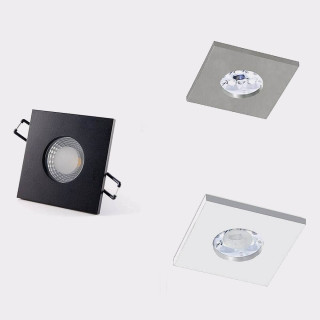
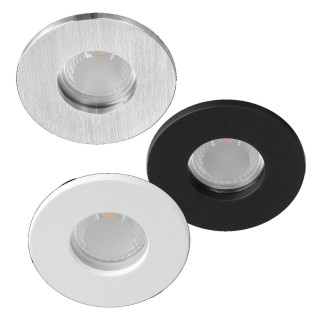
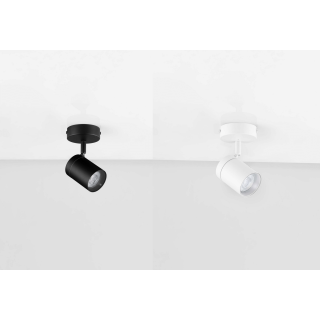
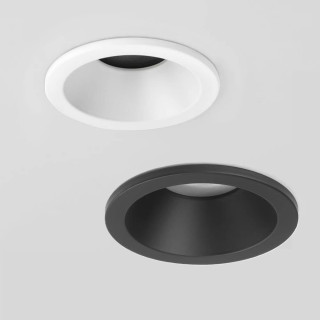
Modern bathroom ceiling lighting includes spotlights and directional fixtures that provide precise and versatile illumination. This approach ensures the bathroom remains functional while staying aligned with contemporary interior design trends.

Ceiling lighting plays a key role in visually enlarging a bathroom. Evenly spaced light sources cause illumination to reflect off walls and mirrors, amplifying the feeling of spaciousness.
Opting for fixtures with adjustable brightness allows you to adapt the lighting to the time of day and user preferences. Such solutions make even compact bathrooms appear brighter, more comfortable, and more functional, while enhancing the overall aesthetic of the interior.
Current trends in bathroom lighting emphasize modern technologies and clean, minimalist forms. Smart lighting—operated through mobile apps or voice assistants—is becoming increasingly popular, offering full personalization and enhanced convenience.
Energy-efficient LED fixtures that allow adjustment of brightness and color temperature are now standard. Minimalist and Scandinavian-inspired designs dominate, bringing lightness and coziness to the bathroom. Industrial accents and matte finishes add character and visual interest.
Modern bathroom ceiling lighting often incorporates spotlights and directional luminaires for precise illumination. These solutions ensure the bathroom remains both functional and visually aligned with contemporary design trends.

Not always, but in practice very often they do. The required IP rating depends on the bathroom zone in which the luminaire is installed. In areas exposed to moisture and water splashes, IP44 is considered the standard. Even outside formal zones, many users still choose IP44 because bathrooms are permanently subject to steam and elevated humidity levels.
A ceiling light installed above a shower or bathtub should have at least an IP44 rating. In heavily used bathrooms, especially those with rain showers or high steam levels, IP65 is a sensible and safer choice. The closer the luminaire is to the water source, the higher its resistance to moisture and splashing should be.
This depends not only on horizontal distance, but also on mounting height. If the luminaire is installed directly above a bathtub or shower, or very close to its footprint, it should be treated as part of a wet zone. When in doubt, the safest approach is to select a ceiling light with an increased IP rating.
This is not recommended. IP20 luminaires are not protected against moisture or water splashes, which in a bathroom environment can quickly lead to durability and safety issues. IP20 fixtures should not be installed in wet zones, and modifying them to achieve a higher IP rating is neither safe nor reliable.
A ceiling light should deliver adequate general illumination but should not replace task lighting at the mirror. In practice, the ceiling provides the base light level, while the mirror area requires dedicated functional lighting. The best results are achieved by layering light rather than relying on a single, very powerful ceiling fixture.
3000K creates a warmer, more relaxing atmosphere and is often chosen for spa-style bathrooms. 4000K delivers neutral, clean light that is better suited for makeup, shaving, and everyday grooming. Increasingly, bathrooms combine different colour temperatures or use adjustable solutions to balance comfort and functionality.
For comfortable everyday use, a minimum CRI of 80 is recommended. In the mirror zone, CRI 90 or higher is strongly advised. A high CRI ensures accurate colour rendering of skin tones, cosmetics, and textiles, which is particularly important for personal care activities.
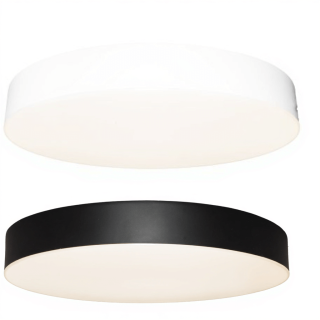
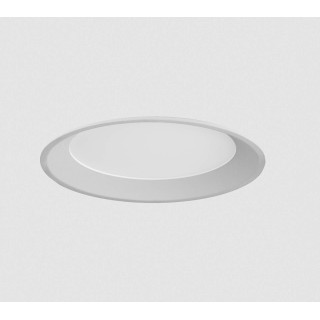
Recessed downlights allow for even light distribution and a clean, minimalist ceiling appearance, but they require careful planning of quantity and spacing. A flush ceiling light is easier to install and often sufficient as general lighting. The right choice depends on bathroom size, ceiling height, and the desired visual effect.
Yes, if they are poorly specified. Problems are often caused not only by an insufficient IP rating, but also by low-quality materials and sealing. In humid bathrooms, fixtures designed specifically for such environments are essential, and proper ventilation is critical. Replacing the luminaire alone will not solve condensation issues if moisture is not adequately removed.
Most bathroom ceiling lights operate on standard 230V, provided they have an appropriate IP rating for their installation zone. Low-voltage solutions are typically used in areas with the highest safety requirements. Ultimately, correct IP selection and proper installation are far more important than the supply voltage itself.
In the context of ceiling lighting, our customers also choose:
check_circle
check_circle