LED Lighting for a bedroom: Reading and Dimming
09/23/2026 15:13:43
Filter By
Filter By
BLOG

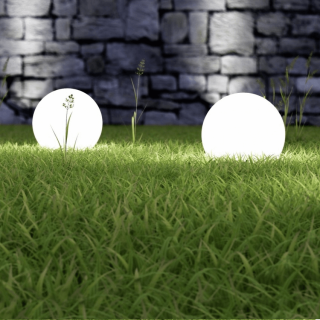
Globe-shaped garden lights are one of the most versatile forms of outdoor lighting. Their spherical diffuser spreads light evenly in all directions, creating a pleasant, soft glow without harsh shadows. That is why globe garden lights (also known as spherical garden lights, garden globes, outdoor globe lights, LED garden globes) work equally well in modern landscape designs and in more classic home gardens.
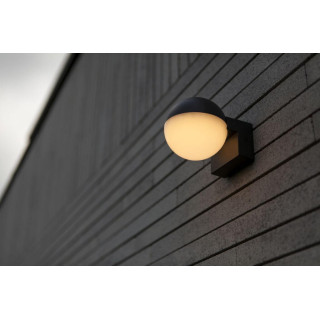
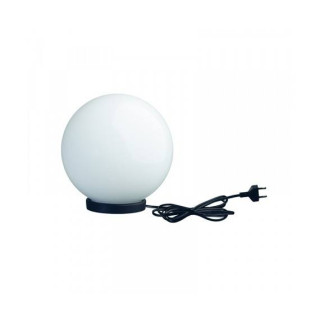
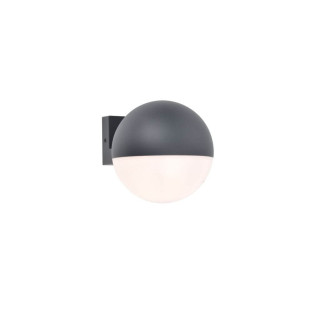
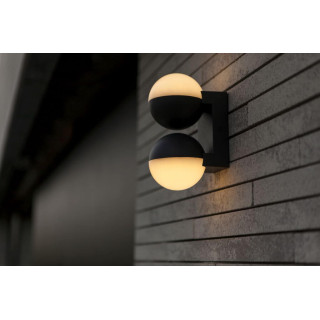
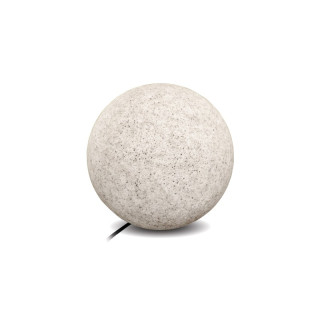
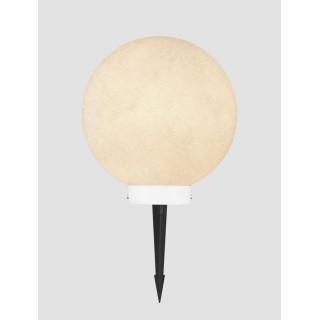
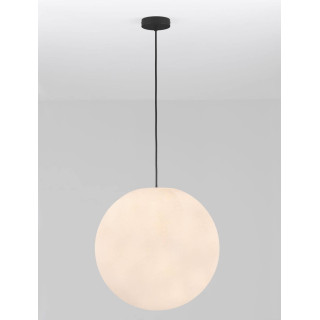
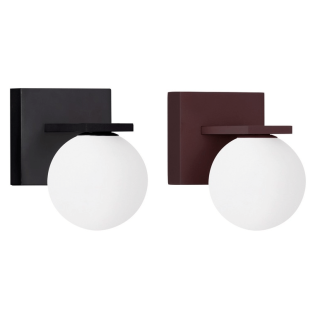
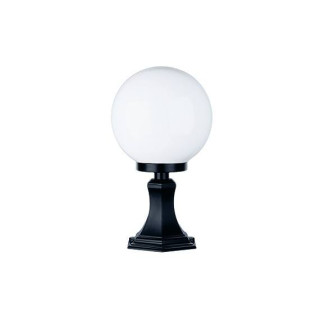
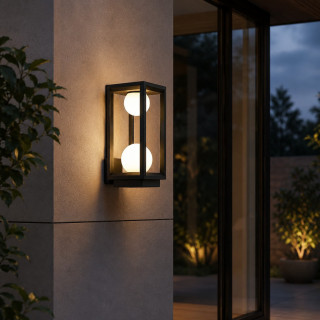
This category includes freestanding garden globes, ground spike globe lights, outdoor wall lights with a spherical diffuser, and hanging/patio models—so you can keep a consistent “globe” look across the whole outdoor area.
If you choose an E27 globe, you gain flexibility: you can adjust brightness and colour temperature by selecting the bulb, and replace only the light source later.
There are 30 products.
sortSort by:

Choose solar globe garden lights if you value easy installation and flexibility. It’s a cable-free solution: you place the globes wherever you want, and when you change your garden layout, you simply move them. Many models work automatically—charging during the day and lighting up after dusk. This is an excellent choice for flowerbeds, borders, patios/terraces and decorative zones.
Good to know: lighting time depends on sunlight levels, operating mode and battery capacity. During shorter days, it’s crucial to place the globe where the panel has good access to the sun.
Choose mains-powered or fixed systems if your priority is predictability and a consistent lighting effect regardless of weather. This is a common choice for permanent installations: driveways, longer pathways, larger gardens and areas that require regular illumination.
Quick rule: décor and mobility → solar; a stable, long-term installation → powered/wired.

Solar = mobility; wired = predictable brightness year-round.
The size determines whether the globe will be a subtle accent or a dominant feature:
You’ll achieve a premium look by combining 2–3 sizes in one area while keeping a single, consistent light colour.
Not every LED garden globe light is meant to replace a street-style lamp. In relaxation zones, a gentle glow and several light points often work best. For paths and entrances, clarity matters: instead of one very bright globe, it’s usually better to place several globes in a regular rhythm. It’s easier on the eyes and looks more refined.
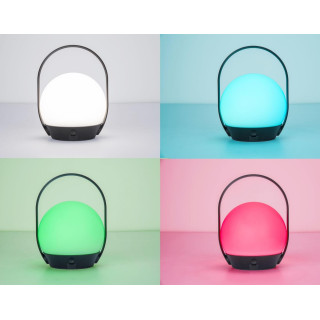
If you don’t want to commit to one setting, look for models with multiple modes or adjustable colour settings.
In the garden, resistance to moisture, dust and temperature changes is essential. IP44 may be sufficient for typical applications (splashes, rain), while IP65 is a better choice for harsher conditions (e.g., near sprinklers or in areas exposed to heavier water spray). Also check UV resistance, as it affects whether the diffuser will become cloudy or discolour over time.
The biggest convenience is automatic operation. Garden globe lights with a dusk sensor turn on after dark and switch off at dawn. A motion sensor makes sense where you move around in the evening: entrances, gates, garages and driveways. In relaxation zones, a steady, gentle glow usually works better than motion-triggered “flickering”.

Globe garden lights are easiest to use in three scenarios:
Place 2–4 globes near outdoor furniture or along the patio edge. This creates an “outdoor living room” feel and provides soft light for conversation.
For clear wayfinding, focus on rhythm: set globes at similar intervals on one side of the path or alternately. Instead of one strong point, you’ll get calm, evenly distributed guidance.
Outdoor garden globes among greenery look especially good when they are not “buried” in foliage. Give them some space and the light will beautifully emphasise the texture of leaves and planting.
With solar models, remember sun exposure—it’s the simplest condition for reliable lighting time.
Yes—E27 models allow easy bulb replacement and quick upgrades to warm/neutral light, smart bulbs, or higher efficiency options.
They often shine for many hours, but it depends on sunlight levels, operating mode and battery capacity.
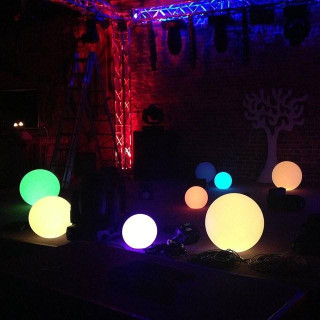
Warm white is most common for relaxation, neutral white is the most universal, and RGB is for decorative effects and fun.
Yes—especially when you place several points in a rhythm, which improves both visibility and aesthetics.
Most of all near the entrance, gate, garage and driveway. On patios/terraces, steady light or dusk-sensor lighting is chosen more often.
For smaller patios, medium globes or a set of 2–3 smaller ones works best. For larger patios, big globes create a stronger statement.
Yes—LED is the standard for energy-efficient outdoor lighting. With solar models, you also avoid using mains electricity.
Keep the panel clean and place the light where it gets good sun exposure. That’s the simplest way to achieve more consistent performance.
If you have freezing temperatures, snow/ice, or long periods with little sun, storing solar globe lights indoors for winter is usually the better option—cold reduces rechargeable battery performance and can shorten battery life over time. Before storage, clean and dry the solar panel, switch the light off, and keep it in a dry place; if the battery is removable, store it indoors and recharge it occasionally.
In many typical applications, yes. In areas more exposed to water, it’s better to choose a higher rating, e.g. IP65.

RGB globes work best as accent lighting—keep the main zones warm/neutral.
If you want to combine aesthetics with function, globe garden lights are a choice that quickly elevates the look of any outdoor space. Well-planned garden globe lighting can highlight plants, organise circulation, create a welcoming patio atmosphere and improve comfort after dark. Choose thoughtfully—match the size, light colour, IP rating and automation (dusk or motion)—and you’ll get a solution that looks great and performs reliably throughout the season.
check_circle
check_circle