How Far from the Wall Should Artwork Lighting Be?
09/26/2026 07:29:59
Filter By
Filter By
BLOG

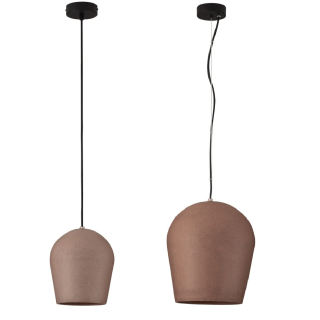
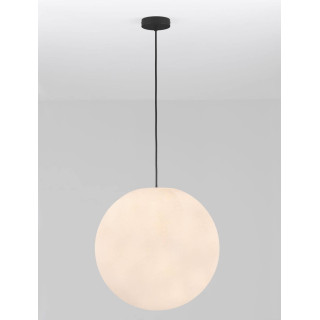
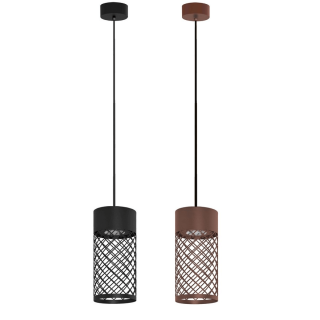
Outdoor hanging garden lights (outdoor pendants) are one of the fastest ways to “build a patio” with light: illuminate the dining table, highlight a pergola, or create a cosy atmosphere in a gazebo. They’re lighting fixtures that are both decorative and functional—improving visibility after dark, organising the space into clear zones (dining / relaxing / entrance), and letting you enjoy the garden well beyond daylight hours.
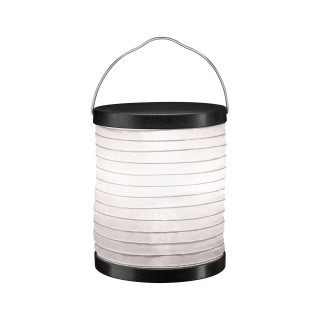
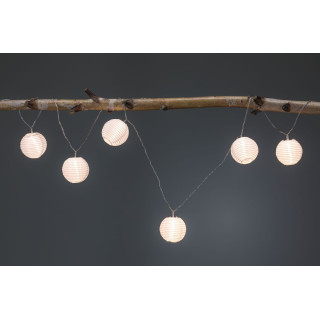
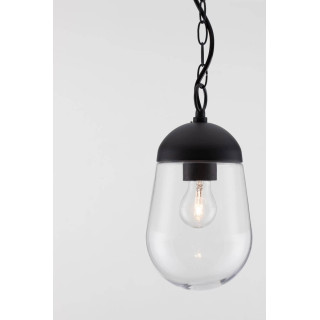
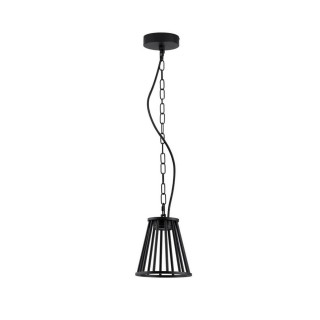
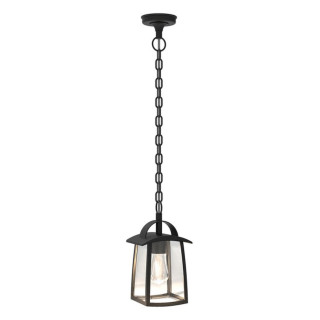
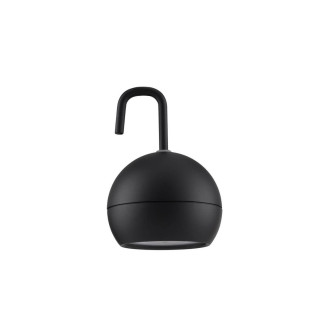
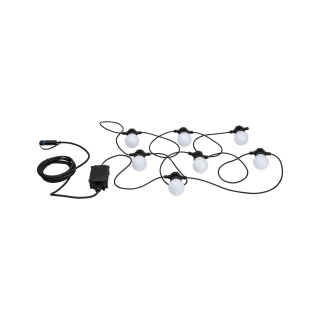
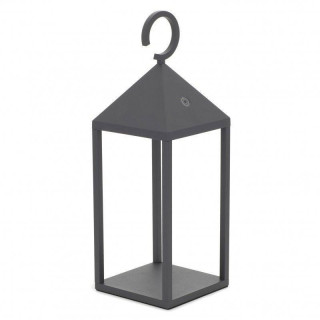
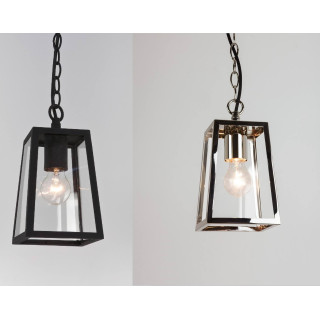
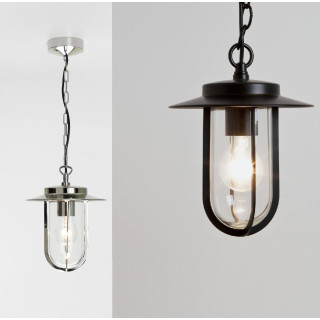
In this category we’ve curated outdoor pendant lights for patios and gardens: classic suspended fixtures, chain-hung pendants, and “mood lighting” options such as lanterns and LED festoon/string lights. This makes it easy to match a model to your home’s style (modern, loft/industrial, classic, boho) and to real installation conditions—from sheltered areas under a roof to more demanding zones exposed to wind, dust and moisture.
There are 22 products.
sortSort by:

Below are practical selection criteria to ensure your lighting is beautiful, durable, and comfortable to use.
For outdoor lighting, the key factor is a fixture’s resistance to the ingress of dust and water, expressed by its IP rating. The harsher the conditions (driving rain, wind, airborne dust, limited cover), the more important it is to choose the right protection level.
Quick guide: choosing an IP rating for your setting
When reviewing product descriptions, always check the IP rating and match it to the actual installation spot—this is often the difference between “looks great” and “works flawlessly for years.”
Outdoor hanging lights should be made from materials that resist corrosion and UV exposure. The most common options include:
If the light will hang in a high-traffic area (above a table or along a passage), choose designs that are easy to maintain and perform well in changeable weather.
Color temperature strongly affects how an outdoor space feels. Typically:
2700K or 3000K for a terrace?
In this category you’ll also find other color temperatures, so you can match the light precisely to its intended role (decorative vs. functional).

If you want a more “engineering-led” approach, you can estimate the required light based on area and the target illumination level:
In practice:
A ready-to-use heuristic
If in doubt, consider layering your lighting: use one pendant as the main “centre” piece, then add subtle support with other outdoor fixtures (e.g., bollard or post lights, exterior wall sconces, and garden spotlights as decorative accents; and if mains-powered lighting isn’t an option, consider solar LED lights).
Over a dining table, a common guideline is to hang the bottom of the pendant about 70–85 cm above the tabletop to avoid glare and keep comfortable sightlines.

Yes—provided the fixture is matched to the conditions (moisture, wind, dust) and designed for outdoor use.
It depends on exposure to rain and dust. Under cover, basic protection is often sufficient; in more exposed locations, a higher rating is typically the better choice.
2700K is more atmospheric and “evening-like.” 3000K remains warm but is usually more practical over a table.
Yes—LED is energy-efficient, long-lasting, and available in multiple color temperatures.
Usually yes—choose a suitable style (classic, boho, loft) and color temperature to complement the natural character of wood.
A pendant holds the role of the main light more effectively (e.g., over a table). String/festoon lights are ideal for decorative, atmospheric lighting—especially in pergolas and gazebos.
It depends on the size of the space and whether the fixture is the main light or purely ambient. In larger areas, multiple points of light or layered lighting often works best.
Yes—especially if you want a stronger decorative statement and a more classic look. The key is to set the hanging height correctly.

Hanging lights for the garden and terrace can completely change how you use your outdoor space after dark. When choosing a model, pay attention to installation conditions and IP rating, weather-resistant materials, color temperature (2700K vs 3000K), and the intended function—ambience or table illumination. For a reliably premium result in practice, use a simple formula: a well-chosen hanging fixture + subtle supplementary lighting.
check_circle
check_circle