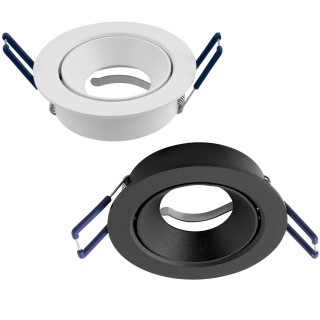
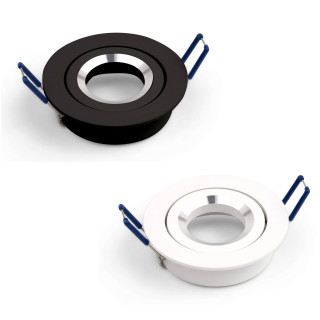
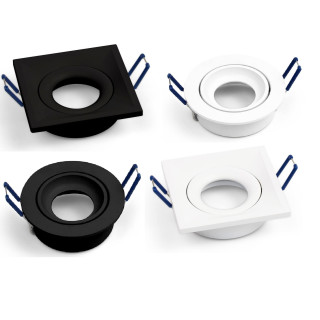
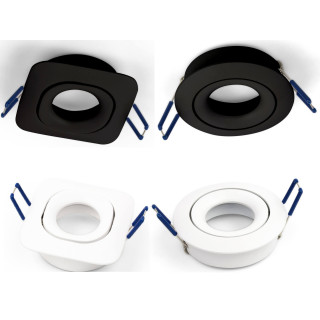
Round Stone Wall Lights – How to Choose the Right One?
09/06/2026 12:23:09
Filter By
Filter By
BLOG

Modern recessed ceiling luminaires offer a discreet way to integrate light sources into the ceiling, delivering uniform and visually comfortable illumination. This solution is particularly well suited to minimalist interiors, where visual coherence and spatial harmony are key design principles.
A wide selection of shapes and finishes makes recessed luminaires easy to adapt to the character of any space—from contemporary apartments to classic living rooms and refined office environments. As a result, they function not only as practical lighting elements, but also as subtle decorative details that enhance and reinforce the overall interior concept.
Valued for their aesthetics, functionality, and energy efficiency, recessed ceiling lights ensure long-term user comfort and durability thanks to advanced LED technology. They represent a solution that successfully combines elegance with performance, making them suitable for both residential and commercial applications.
There are 538 products.
sortSort by:
Recessed ceiling fixtures are a modern lighting solution in which luminaires are installed directly into the ceiling surface. As a result, they become almost invisible, giving interiors an elegant and minimalist character.
These solutions can work with various light sources, ranging from traditional halogen bulbs to energy-efficient LED technology. LEDs, in particular, stand out for their long lifespan and low energy consumption, making them an economical and environmentally friendly option.
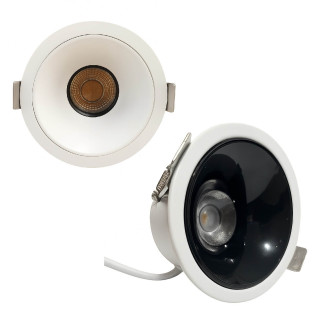
An additional advantage of many models is the ability to adjust the direction of the light beam, which increases functionality and allows the lighting to be tailored to the character of the interior and the individual needs of users.

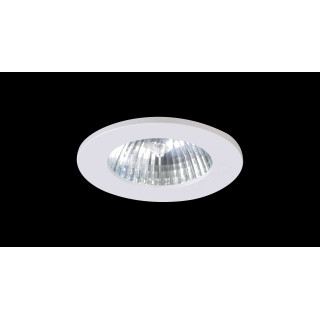
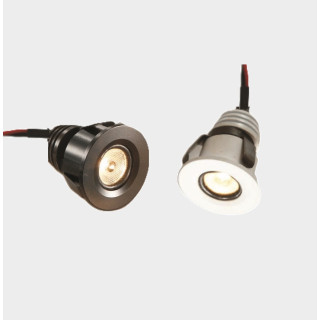
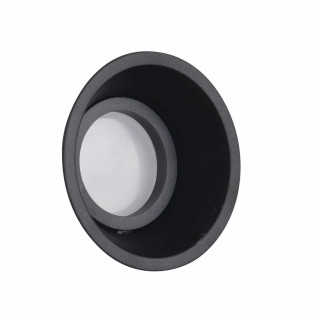
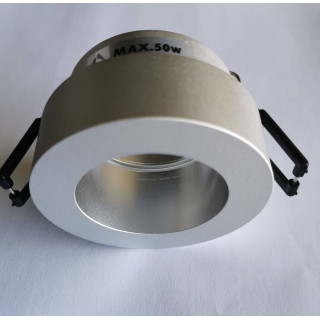
A wide variety of recessed ceiling fixtures is available on the market, differing in construction, light source type, and form. The most popular options include:
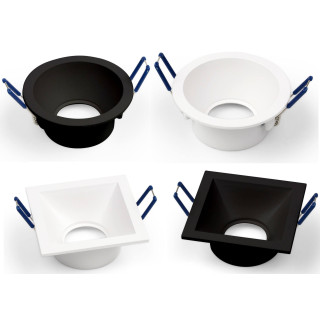
The extensive range also includes many shapes—from classic round and square designs to rectangular and more contemporary forms. This diversity makes recessed fixtures suitable for both modern interiors and traditionally styled spaces.
Choosing the right type of fixture not only ensures optimal lighting conditions but also helps highlight the overall design concept, giving the interior a cohesive and refined appearance.
Recessed ceiling fixtures are widely used in both residential and commercial spaces. In homes, they work particularly well in kitchens, living rooms, and bathrooms, where they provide even and aesthetically pleasing light distribution.
In offices and other commercial environments, they deliver functional lighting adapted to different tasks. Thanks to adjustable beam angles, they can also be used to accentuate specific zones. Their discreet design allows them to blend seamlessly into various interior styles without dominating the décor.
Recessed ceiling fixtures are appreciated for their combination of aesthetics and practicality. Installed flush with the ceiling surface, they remain discreet while providing sufficient illumination—an advantage especially valued by designers of modern interiors.
One of their key benefits is energy efficiency, particularly in LED models, which consume less electricity and offer long service life. This helps reduce operating costs and limits the need for frequent light source replacement.
Their functionality is further enhanced by adjustable light direction, allowing lighting to be adapted for everyday tasks or used to highlight architectural details and decorative elements. A wide range of shapes and finishes ensures compatibility with both modern and classic interiors.
As a result, recessed fixtures combine visual appeal, energy savings, and user convenience, creating an elegant and functional lighting solution for homes, offices, and public spaces.
Recessed ceiling fixtures provide effective lighting while remaining nearly invisible. Their subtle form makes light an integral part of the interior design rather than a dominant visual element.
The minimalist design enables the creation of clean, continuous lighting lines that emphasize the modern character of a space. This makes them suitable for both residential and office environments, introducing elegance and visual order without exposing the light source itself.
Recessed ceiling fixtures, especially LED versions, are characterized by high energy efficiency and long operational life. LED technology consumes minimal energy, resulting in lower electricity bills and more economical lighting operation.
The long lifespan of LEDs means that light source replacement is rarely required, reducing maintenance costs and making this solution practical for many years. Low heat emission further increases safety and minimizes the risk of damage to ceiling finishes.
These fixtures are therefore not only efficient and durable but also environmentally friendly, offering a modern alternative to traditional lighting solutions.
Recessed ceiling fixtures combine aesthetic value with practical application. Thanks to a wide range of finishes and forms, they can enhance interior character while providing appropriate lighting conditions for everyday use.
The ability to adjust the direction of light allows these fixtures to illuminate general spaces as well as accent selected elements such as artwork, niches, or furniture. Lighting thus becomes an integral part of the interior design, supporting both functionality and visual coherence.
Their simple, minimalist design ensures that recessed fixtures work equally well in modern and classic interiors, complementing the style rather than overpowering it.
The style and design of recessed ceiling fixtures have a significant impact on the overall character of a space. A broad selection of models includes both simple, minimalist forms and more decorative variants, making it easy to match lighting to any interior type.
Modern interiors tend to feature subtle constructions in neutral colours that emphasize simplicity and elegance. In classic spaces, decorative models work particularly well, adding sophistication and refined style, similar to high-end designer lighting.
A wide choice of finishes and materials enables the creation of unique lighting compositions that become an integral part of the décor. As a result, recessed fixtures can harmoniously complement any design concept, from minimalist to traditional.
Recessed ceiling fixtures offer a broad range of shapes and finishes, making it easy to adapt them to the character of an interior. Available options include round, square, and rectangular models, as well as more innovative designs with unconventional forms.
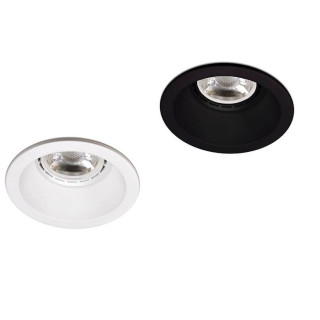
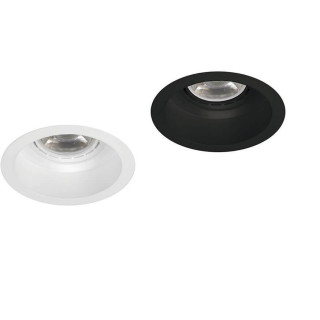
Colour options range from neutral whites and blacks to elegant metallic tones that add a modern touch. This variety makes lighting not only functional but also decorative, subtly enhancing the style of the entire space.
Such a wide selection allows for cohesive lighting compositions in all types of interiors—from minimalist to classic.
Recessed ceiling fixtures are equally suitable for modern minimalist spaces and traditional interior designs. In simple interiors, they contribute to visual order and elegance by blending seamlessly into the surroundings.
In classic rooms, they act as a neutral background for more decorative elements while reinforcing overall harmony. A wide range of colours and finishes allows them to suit both subtle and more expressive styles, making recessed fixtures a truly versatile lighting solution.

Recessed ceiling fixtures are a highly versatile lighting solution thanks to their discreet form and practical features. In residential spaces, they are commonly used in living rooms, kitchens, and bathrooms, where they create an elegant and comfortable lighting atmosphere. In offices and public spaces, they provide professional, efficient illumination that supports daily activities and enhances visual appeal.
Their key advantage lies in the ability to create customized lighting arrangements. Depending on the selected models, they can highlight architectural features, accent decorations, or provide uniform general lighting. This flexibility makes recessed fixtures a universal solution in terms of both aesthetics and functionality.
Selecting recessed ceiling fixtures for an interior depends on their form, colour, and finishing materials. In minimalist spaces, simple models in neutral tones work best, emphasizing cohesion and visual lightness. In classic interiors, more decorative variants add elegance and sophistication.
Material choice also plays an important role—metal constructions lend an industrial character, while wooden elements introduce warmth and a natural accent. This wide selection makes recessed fixtures suitable for both modern apartments and traditionally styled interiors.
Recessed ceiling fixtures offer extensive possibilities for creating lighting effects that give interiors a distinctive character. By combining different light sources, such as LEDs and halogens, it is possible to achieve both atmospheric lighting and strong task illumination.
Adjusting light direction and intensity allows designers to accent specific interior elements or create a harmonious, evenly lit space. As a result, recessed fixtures serve not only as functional light sources but also as tools for shaping the ambiance of an interior.
Installing recessed ceiling fixtures requires precision and consideration of several key factors. Proper installation depth, correct cut-out diameter, and the type of ceiling all play a crucial role. These parameters determine both structural stability and the final aesthetic effect.
Careful preparation of openings and secure mounting in accordance with the manufacturer’s guidelines ensure safe use and long-term durability. Selecting the appropriate IP rating is equally important, especially in bathrooms and other moisture-prone areas.
Proper installation ensures that recessed fixtures maintain their aesthetic and functional qualities while delivering reliable performance for years.
The installation process begins with accurately cutting ceiling openings that match the dimensions of the selected fixtures. The next step is connecting the light sources in accordance with safety standards and the manufacturer’s instructions.
The fixtures are then placed into the prepared openings, ensuring stable mounting and a clean finish. Correct execution of each installation stage guarantees reliable operation and long service life of the lighting system.
During installation, proper surface preparation and precise cut-outs of the correct diameter are essential. Access to the electrical installation must be ensured, and safety standards must be followed to prevent short circuits or technical issues.
In moisture-exposed areas such as bathrooms, special attention must be paid to the IP rating, which defines protection against dust and water. Selecting the appropriate IP class increases both durability and user safety.
Meeting these requirements ensures an easier installation process and long-lasting, trouble-free lighting performance.
LED recessed ceiling fixtures are among the most popular lighting solutions, valued for energy efficiency, long lifespan, and modern design. LEDs consume minimal energy, reducing electricity costs while offering a wide range of light colours—from warm tones that promote relaxation to cool tones ideal for work.
The long lifespan of LEDs means replacements are needed far less frequently than with traditional bulbs. Additionally, this technology is environmentally friendly, generating less waste and reducing overall energy consumption.
Thanks to their subtle appearance and variety of available forms, LED recessed fixtures suit both minimalist and classic interiors, providing elegant and efficient lighting in any space.
Implementing LED technology in recessed ceiling fixtures offers numerous advantages. LEDs consume significantly less energy than traditional light sources, directly lowering operating costs.
Their exceptional durability allows them to operate for many thousands of hours, minimizing the need for replacement. Low heat emission improves safety and protects ceiling finishes from overheating.
The ability to dim light output enables the creation of different atmospheres—from soft ambient lighting to strong task lighting—making LEDs both a practical and modern solution.
Selecting the appropriate light sources for recessed ceiling fixtures is crucial for lighting quality and interior aesthetics. Key factors include bulb power, which determines brightness, and light colour—from warm tones that create a cosy atmosphere to cool tones that support focus and productivity.
Common options include GU10 and GU5.3 bulbs. GU10 bulbs are easy to install and widely available in LED versions, while GU5.3 bulbs operate at low voltage and require a transformer but offer greater design flexibility.
The right choice affects not only energy efficiency but also user comfort and the overall appearance of the space.

Recessed ceiling fixtures are highly versatile and suitable for both residential and commercial use. In kitchens, they provide even illumination of worktops, facilitating everyday meal preparation. In living rooms, they can serve as the main light source or accent decorative elements such as artwork or shelving.
In bathrooms, they add a cosy feel while ensuring proper mirror lighting. In offices and workspaces, they enhance concentration and user comfort, while in public buildings they improve aesthetics and lighting safety.
Thanks to their diversity, recessed ceiling fixtures can function as both general and task lighting, enabling the creation of customized and functional lighting layouts.
Recessed ceiling fixtures are a universal lighting solution suitable for many types of interiors. In kitchens, they evenly illuminate work surfaces, increasing comfort and safety. In living rooms, they can serve as primary lighting or highlight decorative elements. In bathrooms, they perform particularly well near mirrors, ensuring good visibility for daily routines.
In offices, they provide bright, even lighting that supports concentration and work efficiency. A wide range of models makes it easy to adapt them to the specific needs of each room.
Recessed ceiling fixtures adapt perfectly to the functional requirements of different rooms. In kitchens, they enable precise illumination of work zones, significantly improving cooking comfort. In living rooms, they help create a pleasant evening ambiance or serve as main lighting during gatherings.
In bathrooms, recessed fixtures are often installed near mirrors to provide adequate lighting for daily grooming. Their discreet form and wide colour options allow them to blend seamlessly into both modern and classic interiors.
Recessed ceiling fixtures perform exceptionally well in offices and public spaces, where uniform and comfortable lighting is essential. They provide suitable conditions for work and enhance interior aesthetics at the same time. In public areas, they also help create a sense of order and safety, positively influencing how spaces are perceived by visitors. The use of LED technology further reduces maintenance costs and supports the image of a modern, environmentally conscious facility.
Always measure the existing ceiling cut-out first (when replacing fixtures), and only then select the luminaire based on the cut-out dimension specified in the product datasheet. While certain diameter ranges are common in practice, strict compliance with the manufacturer’s specification is critical—differences of just a few millimetres can affect mounting stability. If the opening is too large, trim rings or adapter plates are used; if it is too small, it must be enlarged accurately without damaging the ceiling edges.
The correct approach is not “fixtures per m²” but the required luminous flux (lumens) combined with the function of the space. First, determine the target illuminance for each zone, calculate the total lumen output required, and only then define the number of luminaires. From a visual comfort perspective, it is usually preferable to install more lower-output points rather than a few very powerful ones, with spacing adapted to furniture layout and functional zones.
Yes, provided the manufacturer’s requirements regarding operating temperature and contact with insulation are strictly followed. Some luminaires are approved for direct contact with insulation, while others require clearance or additional protective housings. With vapour barriers, airtightness at the penetration point is equally important. The most common issues arise from installations that do not follow the manufacturer’s instructions.
The required IP rating depends on moisture exposure and the installation zone. In bathrooms, the distance from water sources and the level of water vapour are decisive factors. For roof soffits and other damp-prone locations, IP44 is typically the minimum, while more demanding environments may justify IP65. The IP rating must apply to the complete luminaire, not just the light source.
Fixtures using GU10 or MR16 lamps offer easy lamp replacement and high flexibility in terms of colour temperature and manufacturer choice. Integrated LED downlights, on the other hand, provide reduced installation depth, higher efficiency, and better optical control. The trade-off is that in case of failure, the entire LED module or luminaire usually needs to be replaced.
Dimming is not mandatory, but if it is planned, both the luminaire and the driver must be explicitly rated as dimmable. Post-installation flicker is most commonly caused by incompatibility between the dimmer and the LED driver or by an incorrect dimming method. The most reliable solution is to use tested, compatible dimming systems from the outset.
Discomfort is typically caused by a visible LED point and excessive luminance within the field of view. Effective solutions include luminaires with a deeper light source position, appropriate shielding, or optics designed to reduce glare. Correct spacing and output selection are equally important—excessive point lighting always reduces visual comfort.
Colour temperature should reflect the character and function of each zone, while the CRI must be high enough to ensure natural colour rendering. In areas where visual accuracy and appearance are critical—such as kitchens or bathrooms near mirrors—a higher CRI significantly improves user comfort and perception.
Smaller diameters create a more contemporary and discreet appearance and make light zoning easier, at the cost of using more fixtures. Larger downlights reduce the total number of points but have a stronger visual presence. The final decision should be based on ceiling height, lighting function, and the desired aesthetic effect—not solely on lumen output.
Our customers also appreciate the following ceiling lighting solutions:
check_circle
check_circle