Round Stone Wall Lights – How to Choose the Right One?
09/06/2026 12:23:09
Filter By
Filter By
BLOG

Floor lamps for the living room (standing lamps) are an easy way to create atmosphere and add extra light—without renovations or electrical work. With a single lamp, you can cover multiple scenarios: relaxed evening ambience, soft light for watching TV, focused illumination for a reading chair, or highlighting your décor (art walls, shelving, plants).
In this category you’ll find, among others:
There are 146 products.
sortSort by:
A good floor lamp is not an accessory. It is a tool for building layered lighting:
Floor lamps are excellent because they can combine two layers at once—delivering atmosphere and practicality in one.

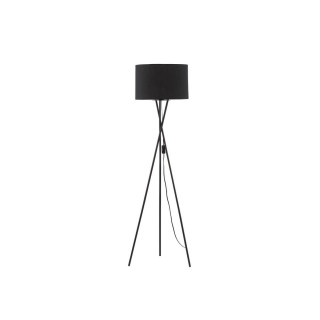
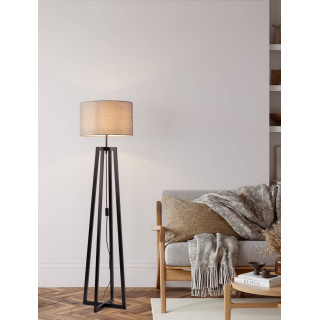
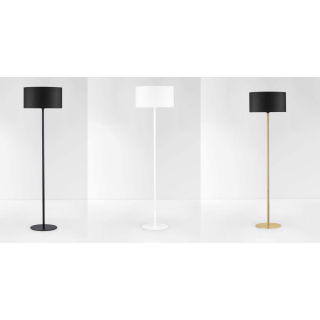
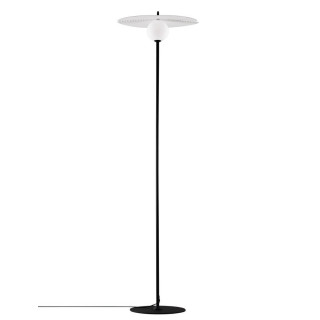
Best for creating a cosy atmosphere. A shade diffuses the light and reduces glare, which is why these models work very well next to a sofa and in a conversation corner.
Choose a shade if: you want the living room to feel warm, soft, and “homey,” and the lamp should also be decorative.
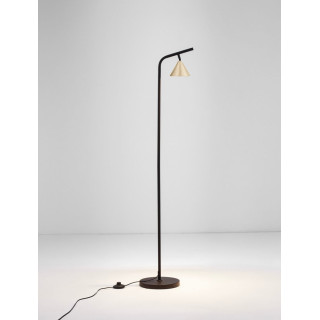
They provide light “over a zone” when you do not have a pendant in the ideal location. The base stands near the wall, while the shade extends over the sofa/coffee table.
Choose an arc lamp if: you want to light the centre of the seating area without changing the electrical installation.
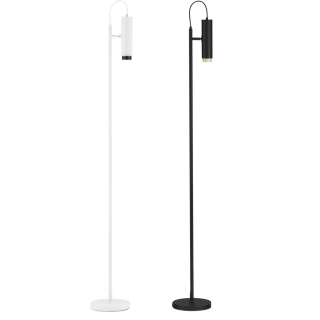
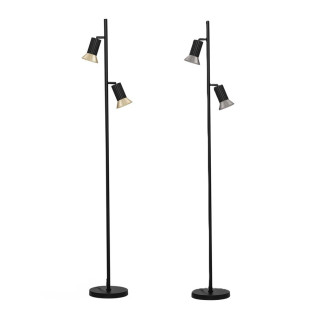
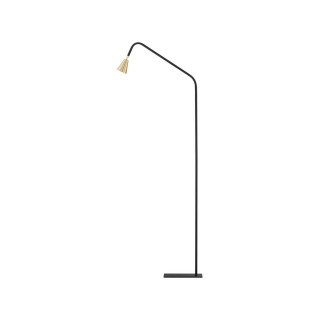
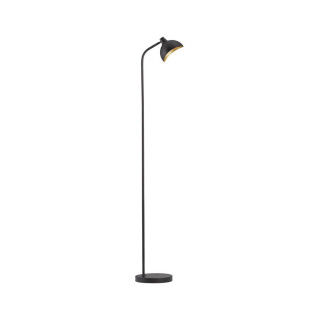
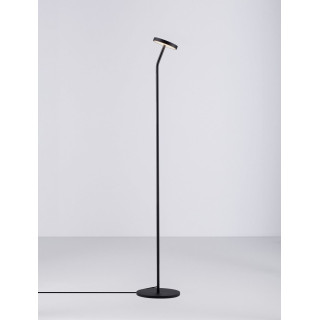
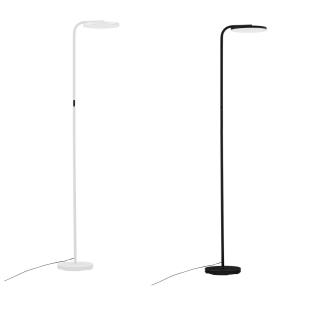
Models with an adjustable arm/shade—precisely directing light onto a book or handcrafts.
Choose if: you read in the evenings and want bright, focused light “on the spot,” not across the entire living room.
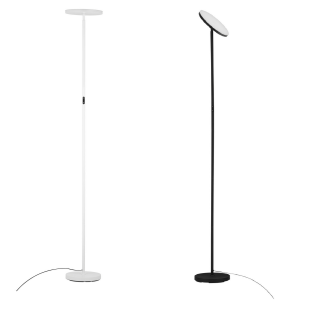
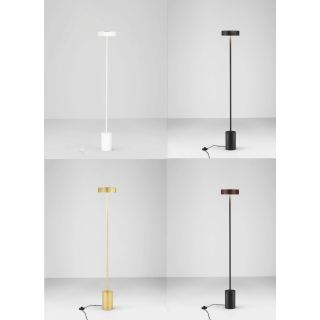
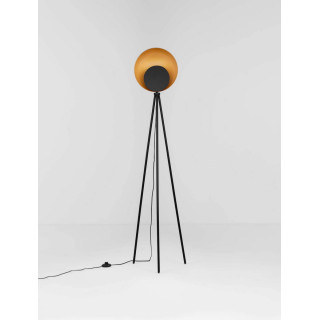
They create indirect light reflected off the ceiling, which makes the room feel more spacious and is less tiring on the eyes.
Choose an uplight if: you dislike visible light sources and want an even, comfortable background of light.
Lumens indicate luminous flux. In a living room, it depends on the goal:
The most practical option for a living room is dimming: one lamp gives you “two modes” (relaxation + reading).
Kelvins describe colour temperature: lower values are warmer light, higher values are cooler. Philips Hue notes that ranges can run from very warm (around 2200K) to daylight tones (around 6000K), depending on needs.
In living rooms, warm / warm-neutral usually wins, while cooler tones are best reserved for task lighting.
CRI affects whether beiges look “refined,” and whether wood looks like wood rather than a flat patch. If you care about finishes, textiles, and décor, CRI matters.
If the lamp has a dimmer, make sure the light source is dimmable (or, with an integrated LED, that dimming is designed-in). This is the most common “purchase mistake” in living-room lighting.
In this category, the most popular choices are:
Tip: match the lamp to the living room’s metal elements (table legs, handles, trims, details)—the interior will instantly look more cohesive.

For reading, what matters most is focused light at the chair, not an impressive lumen number for the entire room. In practice, many people aim for strong, clear illumination in the reading zone (often around the output of a “strong household bulb” or higher), and you can fine-tune comfort with dimming. For the living room as a whole, build brightness in layers: ceiling + a floor lamp as background + additional points (e.g., wall light/table lamp).
Living rooms most often use warm or warm white light because it supports relaxation and looks good on textiles, wood, and leather. 4000K can be excellent for tasks (tidying, work, precision activities), but in a lounge zone some people find it too cool. If you want one solution for the entire day, choose a source with adjustable colour temperature (tunable white) or, at minimum, dimming that reduces light in the evening.
Usually not as the only light source, but very often it becomes the key element that creates the atmosphere and improves comfort. A floor lamp works perfectly as a second layer: it fills shadows, lights the seating area, and reduces contrast in the evening.
Three placements typically win: next to the sofa/armchair (reading), in a corner (soft background light), or behind a sectional corner (extra layer without glare). Keep the lamp out of main walkways, and route the cable along the wall so it is not underfoot. If it is for reading, position it so the light falls on the book but does not shine into your eyes.
Yes—and it is often a very good solution. Soft, indirect light placed behind the TV or to the side works best, so it does not reflect on the screen or shine directly into your face. This reduces the contrast between a bright screen and a dark background and can improve evening viewing comfort, especially when the rest of the room is dim.
The most common cause is incompatibility: the dimmer and the LED source (or the lamp’s electronics) do not cooperate stably across the full power range. If flickering appears in multiple points at home or comes with buzzing, overheating, or a burning smell, treat it as a signal to have the installation checked by an electrician.
In most classic lamps—yes, but a smart bulb needs constant power to respond to the app. With touch lamps, 3-step switching, and built-in dimmers, issues are common because these systems change how power is delivered to the bulb and can disrupt smart features or cause unstable operation. The safest scenario is a lamp without built-in dimming, with brightness controlled via the app (or a smart system), and leaving the physical switch in the “ON” position permanently.
The safest comfort rule: the bottom edge of the shade should be roughly at the seated person’s eye level, so you do not see the light source directly and avoid glare. For reading lamps, the ability to direct light onto the book from the side—not “from above into your eyes”—also matters. If you have a tall sofa or a low-hung picture behind it, consider not only height but also shade diameter and the proportions of the whole form.
It makes sense if you want to move the light over the seating area without relocating the ceiling point. Two parameters are key: the real reach of the arm and the footprint radius (how much space the lamp takes in the walkway). Many popular designs can extend over a coffee table and sofa, but before buying, measure whether the shade will reach where it should light, and whether the base will block circulation.
Usually yes, as long as you do not exceed the actual wattage draw and you do not generate excessive heat inside the shade. “Max 60W” refers to safety (mainly temperature) with traditional bulbs, while an LED “equivalent to 100W” typically consumes far fewer watts, so it often remains within limits. Always follow real wattage and the manufacturer’s guidance; for enclosed shades, choose good-quality LEDs with sensible thermal performance.

Floor lamps are one of those categories that genuinely elevates a living room—not through the sheer “amount of light,” but through how light shapes space. A well-chosen lamp adds vertical emphasis, balances furniture composition, and functions as a decorative element—in practice, it often fills empty corners, organises zones, and gives the arrangement a finished, cohesive look.
The key to comfort is layered lighting: background, task light, and accent. A living room shifts functions throughout the day: conversation, rest, movie night, reading, sometimes work. Floor lamps naturally bridge these layers because you place them exactly where you need light for a given scenario.
If you want to narrow down choices in this category, think in three steps (this works better than starting with appearance):
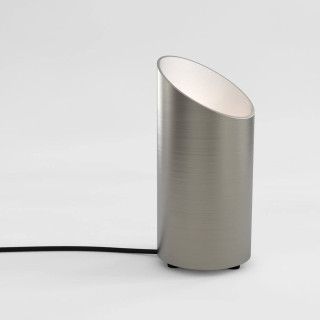
Decide whether you need soft background light, stronger light for reading, or an accent highlighting a wall, artwork, or material texture. Different lamp designs create different light character: diffused, directional, or indirect. This directly affects comfort and glare control.
In living rooms, solutions that offer control work best: dimming, a convenient switch, and—if you want it—compatibility with smart bulbs or scene-based control. In practice, control determines whether the lamp will be used daily or end up as just a nice-looking accessory.
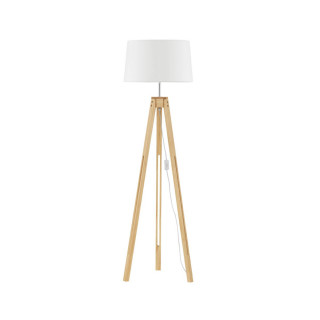
Choosing without checking dimensions can be expensive: consider height relative to the sofa, arm reach (if the lamp extends), base diameter, and whether the fixture intrudes into circulation paths. Match materials to the interior character: metal and glass reinforce modernity, wood and textiles add softness, while finishes like black, brass, or chrome can “tie together” details across the arrangement.
For comfort, colour temperature also matters. Lounge zones typically use warm or warm white light, while neutral tones are reserved for tasks requiring more precision. If the living room has multiple functions, dimming or colour adjustment is a practical choice.
This category is ideal if you want to refine a living room to a “finished” level without interfering with the installation. Choose a model that fits the style, but base the final decision on how and where you will actually use it. To quickly find the right model in a store, filter by: light type (diffused/directional/indirect), adjustability and dimming, height and reach, shade material, finish colour, and source type (replaceable vs integrated). This narrows the selection to a few reliable options and lets you compare them for your interior in real terms—not just in a photo.

check_circle
check_circle