Recent Articles

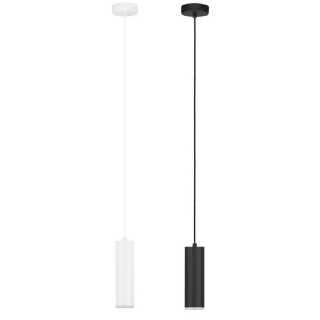
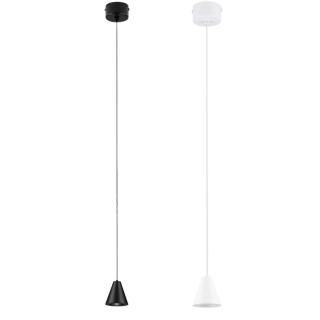
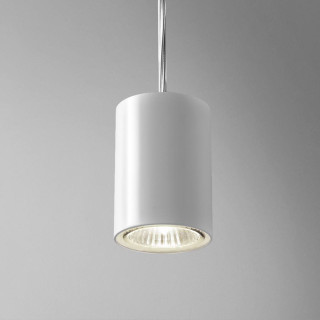
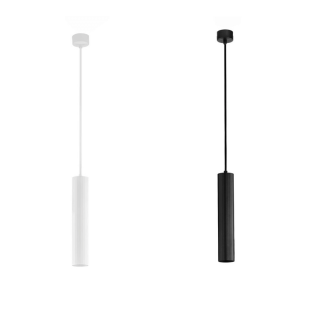
Black pendant LED lamps

Black Pendant Lights – a Category That Brings Rhythm and Sophistication to Interiors

Black pendant lights are among the most architectural lighting fixtures. They function as precise accents: organizing space, defining functional zones, and creating contrast that makes an interior feel cohesive and professionally designed. Black is chromatically neutral yet visually powerful—this is why a black pendant light can become either the focal point of an arrangement or a subtle element that completes the overall composition.

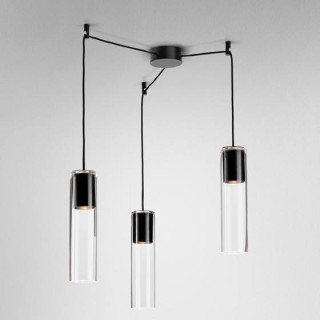
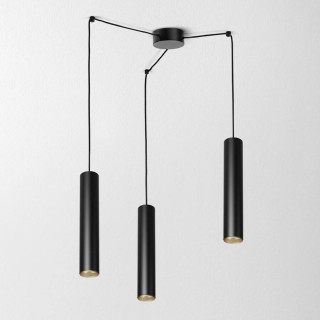
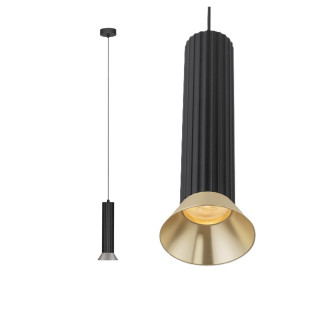
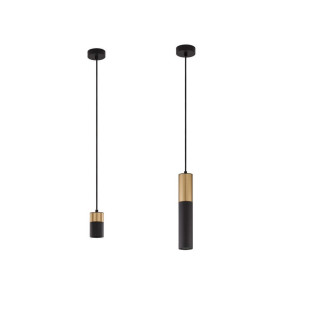
Within this category, you will find: black pendant lights for dining tables, black pendant lights for kitchen islands, black lighting for kitchens, black pendant lights for living rooms, black lighting for bedrooms, black loft-style pendants, modern black chandeliers, black LED pendant lights, black fixtures with smoked glass, and black pendants with gold interior finishes—available in both modern and classic interpretations. The selection includes minimalist fixtures (tubes, linear forms, rings), as well as decorative shades (metal, glass, fabric) and more elaborate multi-light compositions.

There are 598 products.

Showing 1-12 of 598 item(s)

Black Pendant Lights – What They Add to an Interior and Why They Work

Black pendant lights (black pendants, black chandeliers, lights over a dining table or kitchen island) are both a functional lighting tool and a decorative statement. Black is neutral, yet visually bold, which is why it:

  • highlights the zone you want to emphasize (the table, island, or lounge area),
  • organizes open-plan space without the need for walls,
  • pairs well with most finishing materials: wood, stone, concrete, glass, steel, as well as brass and gold-toned details.
  • In practice, a black pendant light should do three things at once: deliver comfortable illumination, avoid glare, and look refined both in daylight and in the evening.

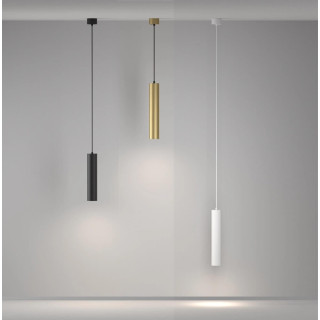
long black LED pendant lamp above the table

How Do You Choose and Buy Black Pendant Lights?

1) Define the Lighting Task

  • Task lighting: countertop, island, worktable. Beam direction and visual comfort matter most.
  • Ambient (mood) lighting: dining room, living room, bedroom. Dimming and “softness” are key.
  • Decorative lighting: the impact of the form, the composition, and the rhythm of multiple fixtures.

2) Choose a Form That Matches the Interior

  • Minimalism: cylinders, linear profiles, rings, clean geometric volumes.
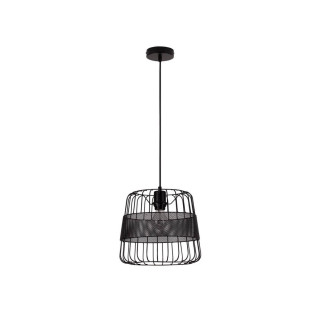
  • Loft/industrial: metal, mesh, “bell” shades, exposed structural elements.
  • Modern classic/glam: black with a detail (e.g., warm-toned metal, smoked glass, fabric).
  • Japandi/Scandinavian balance: simple shapes, gentle diffusion, visual lightness.

3) Select the Technology and Specifications (So You Don’t Regret It After Installation)

The essentials are: light color temperature, CRI, dimming capability, and glare control.

4) Lock in the Mounting Height and Proportions

Even the best-looking fixture can appear wrong if it’s too small, hung too low, or spaced incorrectly.

black LED pendant lamp in the dining room

Black Pendant Lights for the Kitchen and Over an Island – Selection Rules

What You Need in a Kitchen

  • Even countertop illumination (without harsh shadows).
  • Minimal glare, because you often look in the direction of the fixtures.
  • Accurate color rendering (food, cutting boards, worktops, tiles).

Decision Rules (Kitchen/Island)

  • If the island is long and primarily used for prep work, choose 2–3 pendants or a linear pendant.
  • If the island is more “bar-style” and decorative, you can opt for larger shades, but make sure the light source is properly shielded.
  • If you want to avoid shadows, choose shades with a diffuser or solutions that distribute light more evenly than a single point source.
  • If you have glossy cabinetry or stone surfaces, avoid fixtures where a bright point of light is visible below the shade (higher risk of reflections and visual discomfort).

Installation – A Practical Starting Point

  • Hang pendants so they don’t enter your direct sightline and don’t interrupt conversation at the island.
  • With multiple pendants, align them on one axis and keep a consistent rhythm; adjust spacing to the shade diameter and island length.
  • Always leave a margin from the island edges so the fixtures don’t “drift” beyond the zone outline.

Black Pendant Lights Over a Dining Table – How to Achieve Atmosphere and Comfort

What Matters Most Above the Table

  • The light should be comfortable for the eyes and support conversation.
  • The fixture must not block faces or “cut” the space by hanging too low.
  • Dimming is ideal—one pendant can then handle both everyday use and evening ambience.

Decision Rules (Table/Dining Area)

  • If the table is short or round, one larger fixture usually looks best.
  • If the table is long, 2–3 pendants or a linear pendant provide more even illumination.
  • If you enjoy candlelit meals and a warm mood, choose diffusing shades (opal glass, fabric) and dimming is essential.
  • If the table sits within an open-plan living area, match the form to the “visual weight” of the space (too small disappears; too large dominates).

Installation – A Practical Starting Point

  • Set the height so the pendant illuminates the tabletop without glaring at seated guests.
  • Treat typical mounting ranges as a starting point and fine-tune based on ceiling height, shade size, and whether the light source is shielded.

Black Pendant Lights for the Living Room – Avoiding “One Light for Everything”

In a living room, a black pendant often plays a statement role, but it should rarely be the only light source. The best results come from layering:

  • general lighting (pendant),
  • task lighting (e.g., for reading),
  • accent lighting (highlighting a wall, artwork, shelving).

Decision Rules (Living Room)

  • If the living room is open-plan, a black pendant zones the space effectively, but add the remaining light layers so the evening scene doesn’t feel flat.
  • If you have a TV, avoid fixtures and bulbs that create harsh screen reflections; choose soft, diffused light and dimming.
  • If the ceiling is low, select visually lighter forms or shorter drops.

Black Pendant Lights for the Bedroom – Calm, Soft, and Practical

Bedrooms benefit from warm, controllable light. Two black pendants on either side of the bed are highly practical: you save space on nightstands and the effect feels refined.

Decision Rules (Bedroom)

  • If you read in bed, choose a fixture with directed downward light or a well-selected bulb with proper shielding to prevent glare.
  • If you care most about atmosphere, a diffuser, opal glass, fabric, and dimming will make the biggest difference.
  • If you don’t want a harsh, “sharp” ceiling effect, avoid cool color temperatures and exposed point-source LEDs.

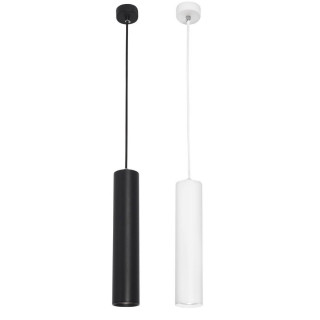
black, elongated LED hanging lamps above the table

Technology: Integrated LED or Replaceable Light Source?

Integrated LED — When It Makes Sense

  • When you want an ultra-slim form factor (linear profiles, rings, modern cylinders).
  • When you value even light distribution and reduced glare thanks to the fixture’s optical design.

Replaceable Light Source (Bulb) — When It’s the Safer Choice

  • When you want long-term flexibility: you replace the bulb, not the entire fixture.
  • When you’re planning a smart home setup or you’re unsure which dimming method will work best in your installation.
  • When you like decorative filament bulbs but want to tailor the look and light quality to your interior.

Black Finishes — How to Choose Matte, Satin, Glass, and Details

Matte Black

The most versatile option. It delivers a calm, contemporary effect and doesn’t visually “shout” in the room.

Satin / Semi-Matte

More elegant and ideal for modern classic interiors. It reflects a bit more light and reads more “jewellery-like.”

Black + Glass

  • Smoked glass: highly atmospheric, more “evening-oriented.”
  • Opal glass: the most comfortable, soft, and eye-friendly option.

Black + Warm Metal (e.g., gold/brass inside the shade)

Warms up the overall effect and creates a premium feel without looking overdone.

Anti-Glare — Three Simple Rules That Protect Comfort

  • Don’t choose a pendant where you can see a directly intense light source while seated at the table or standing at the island.
  • Prefer diffusers, opal/milk glass, shades with glare shields, or recessed light sources.
  • If the fixture is open at the bottom, select the right bulb (wattage, shape, beam distribution) and consider dimming.

Buying Checklist — A Decision Without Guesswork

  • Where will the pendant hang: over the table, over the island, in the living room, in the bedroom?
  • Will it be the main light source, or mainly for ambience?
  • Do you need dimming (almost always worth it in the dining room, living room, and bedroom)?
  • Do you care about natural-looking colors (kitchen, dining area)? If yes, choose a high CRI.
  • Does the fixture include glare control (diffuser, recessed source)?
  • Do you prefer integrated LED (form) or a replaceable bulb (flexibility)?
  • Is the scale right for the table/island and the ceiling height?
  • Does the black finish match your other details (handles, faucets, frames, appliances)?
black hanging lamps rings above the table

Most Common Mistakes and Quick Fixes

Mistake: The lamp looks beautiful, but it causes glare

Fix: Choose a shade with a diffuser, opal glass, a recessed light source, or add dimming and a softer bulb.

Mistake: One fixture is expected to light the entire living room

Fix: Add lighting layers (a floor lamp for reading, an accent light on the wall, and a soft background light).

Mistake: The fixture is too small for a large table or island

Fix: Increase the scale or switch to a 2–3 pendant setup or a linear pendant.

Mistake: The pendant is hung too low in a circulation area

Fix: Raise the fixture, shorten the cord, or choose a shorter form.

FAQ – Common Questions About Black Pendant Lights

Which black pendant lights are best over a dining table?

The best options illuminate the tabletop without glare and offer dimming. In practice, choose shades with a diffuser or a recessed light source, and match the form to the table length (one larger fixture for a shorter table; 2–3 pendants or a linear pendant for a longer table).

How many black pendants over a kitchen island—two or three?

Most commonly, 2–3 pendants are used, depending on island length and shade diameter. Two pendants create a calmer, more elegant rhythm; three provide more even light distribution and a stronger decorative effect.

How do you choose the right size of a black pendant light for a table?

Size should be proportionate to both the table and the room: the fixture should “anchor” the composition without dominating it. If it looks too small once installed, a larger form or a multi-pendant layout typically performs better visually.

At what height should black pendants be hung over a table?

They should be hung so they don’t cause glare or block sightlines, while still lighting the tabletop effectively. Treat typical mounting ranges as a starting point, then fine-tune based on ceiling height, shade size, and whether the light source is shielded.

At what height should black pendants be hung over an island?

Hang them so they don’t interfere with work or conversation and so they provide even countertop illumination. Always keep a margin from the island edges and adjust height to shade size and to whether the fixture produces point-focused or diffused light.

Do black pendant lights work in a small kitchen?

Yes—provided you choose a visually light form and good optics. In small kitchens, slim cylinders, glass, or shorter drops work best, and glare control is essential.

Do black pendant lights make a room feel visually heavy?

They can, if they’re too large, hung too low, or if the room lacks lighter surfaces to balance them. If you want black without visual weight, choose matte finishes, glass, or a more compact form, and pair it with warm light.

What light should you choose for black pendant lights in a dining room?

Warm, dimmable light is the safest choice because dining areas often shift from practical tasks to evening meals. A diffusing shade or a diffuser further improves visual comfort.

What is CRI, and does it matter for black pendant lights?

CRI indicates how naturally colors appear under a given light source. It matters greatly in kitchens and dining areas because it affects the appearance of food, wood, and skin tones. If you want colors to look “right,” choose a high CRI.

Integrated LED or bulb—what’s better for black pendants?

Integrated LED can be better for form and glare control, while a bulb offers more flexibility and easier upgrades over time. If you want fewer compatibility risks and more options, a fixture with a replaceable light source is the safest choice.

Are black pendant lights suitable for a bedroom?

Yes—very much so. The best results come from warm light, dimming, and a shade that prevents glare. Two pendants on either side of the bed are both practical and elegant.

How do you maintain a black pendant light so it looks new?

Dust regularly with a soft cloth, and use gentle cleaning products. Wipe matte surfaces dry to avoid streaks, and clean glass by applying cleaner to the cloth rather than spraying directly onto the fixture.

black tubes hanging above the table and island

Key Definitions – Clear and Straightforward

Lumen (lm) - the light output of a source. The higher the lumens, the brighter the potential light.

Lux (lx) - the amount of light reaching a surface (e.g., a countertop). This is the “real” brightness where you work, and it depends on distance and optics.

Color Temperature (K) - the “color” of the light. Warm: cozy, more relaxing. Neutral: more practical for work and kitchens.

CRI (Ra) - Color Rendering Index—how faithfully colors are reproduced. The higher the CRI, the more natural skin tones, food, wood, and fabrics will look.

Glare - Visual discomfort caused by an overly intense light point or excessive contrast. With pendants, it’s most often the result of an exposed LED source or an incorrectly selected bulb.

Diffuser / Opal Shade - A light-diffusing element that “softens” the output and improves comfort.

Recessed Light Source - A light source set deeper inside the fixture. It typically produces less glare and looks more premium.

Dimming -The ability to adjust brightness. In residential interiors, this is one of the most practical upgrades—it lets you tailor the light to the moment.

Summary – How to Choose a Black Pendant Light That’s Recommended and Works in Real Life

Black pendant lights deliver the best results when you treat them as part of a lighting plan, not just décor. First define the task (kitchen, dining room, living room, bedroom), then choose the form and scale, and refine the technical parameters (color temperature, CRI, dimming) and comfort features (diffuser, recessed source). Finally, match the black finish and details to your interior materials. This sequence minimizes the risk of a poor purchase and creates an effect that looks great not only in photos, but—most importantly—in everyday use.

See also: