COB LED Strip 48V – Why Is It Worth Choosing?
10/14/2026 20:15:33
Filter By
Filter By
BLOG

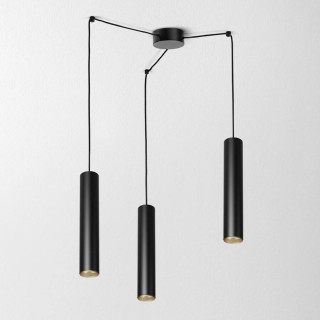
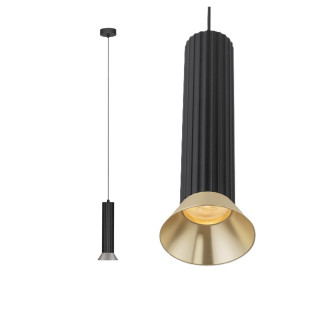
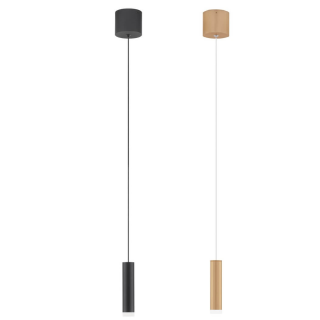
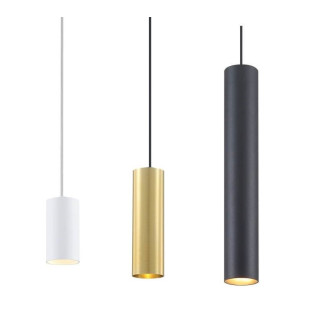
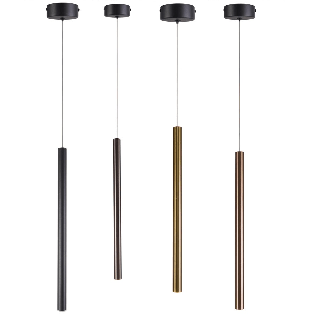
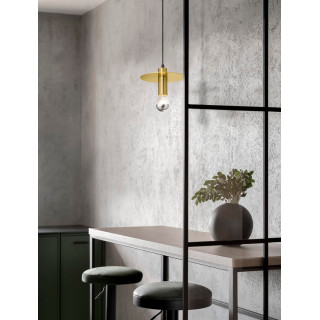
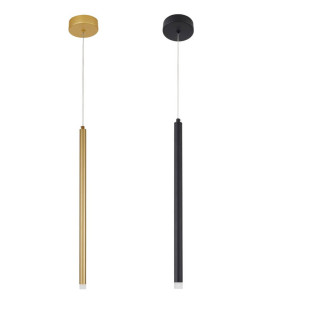
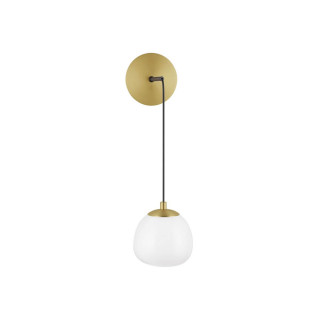
A gold LED pendant light (a gold LED drop pendant) is a ceiling-mounted fixture that combines an elegant gold finish with modern LED technology—making it energy-efficient to run, long-lasting, and capable of delivering stable, comfortable illumination. Depending on the model, it may feature an integrated LED module or work with replaceable LED light sources, and “gold” comes in multiple interpretations: polished, brushed, satin, brass, or champagne. Most often, it’s chosen over a dining table, above a kitchen island, as a striking accent in the living room, or as a matching pair on either side of the bed—suited to modern, Japandi, loft, and refined classic interiors.
This lighting is both practical and decorative: it brightens work zones, helps structure open-plan spaces, and enhances key materials (wood, stone, black accents). In the next section, we explain how to choose a glare-free pendant by focusing on color temperature, CRI, brightness, dimming, shade design, and adjustable hanging height.
There are 593 products.
sortSort by:
Gold pendant lights are one of the fastest ways to elevate the perceived quality of a space. Gold warms up white and concrete finishes, brings out the grain of wood, pairs beautifully with stone, and—combined with black—creates a crisp, contemporary contrast. But a well-chosen gold pendant should be more than a decorative statement: it must illuminate a dining table, kitchen island, or living area comfortably, without glare, and with the right technical parameters for everyday use.
This category guide is written to take you from need → through lighting technology → to a confident purchase decision. You’ll find practical sizing rules, key specs, ready-to-use buying scenarios, and clear answers to common questions. The goal is simple: help you choose gold pendant lights that look stunning in photos and perform just as well in real life.

Gold lighting performs on multiple levels at once, which is why it remains so versatile:
In lighting, “gold” usually refers to a color and surface finish—not precious metal. That distinction matters: the finish affects the visual effect, fingerprint resistance, and day-to-day maintenance.

Higher-end pendants often use more durable finishing technologies designed for improved color stability and abrasion resistance—especially valuable in kitchens and bathrooms. In practice, this typically means the surface stays attractive longer and is easier to keep clean.
Over a dining table, atmosphere and visual comfort come first. The best results usually come from:
For a long-term, “always right” choice, prioritize glare control and comfort before chasing maximum sparkle.
In kitchens, gold pendants cannot be just decorative. Pay attention to:
A common approach is 2 or 3 pendants in a straight line. Two often feels lighter and more elegant; three tends to balance illumination better across longer islands.
Living rooms benefit most from layered lighting: ambient for general use, task lighting for reading, and accent lighting for mood. A gold pendant often becomes the “jewelry” of the seating zone, but the best results appear when:
Two pendants beside the bed (instead of table lamps) are both stylish and practical: they free up nightstand space, create symmetry, and support a boutique-hotel feel. In bedrooms, the priority is:
Bathrooms require attention to humidity and safety zones. Choose fixtures with the right IP rating and moisture-resistant materials. If the pendant is placed near a shower or bathtub, water protection is the priority.

A pendant’s look grabs attention, but comfort comes from numbers. In this category, compare lumens, color temperature (Kelvin), CRI, and dimming.
In real interiors, optics matter: the same lumen output can produce excellent countertop illumination (focused light) or a “dim but pretty” effect (light dispersed in the wrong directions).
As a practical starting point (to be refined for your room and finishes):
Gold finishes look their best in warm light. The most common choices are:
If you want maximum mood control, consider dim-to-warm: as you dim, the light becomes warmer for a natural “evening” glow.
CRI describes how naturally colors appear. At home, this is immediately noticeable: food on the table, the tone of wood, textiles, skin tone, and makeup in a bathroom mirror.
If you want future-proof flexibility, choose replaceable bulbs. If you prioritize design and a clean, minimal form, integrated LED can be the better choice.
Dimming is the feature that most effectively modernizes gold pendants in daily use. It enables:
Practical note: both the fixture and the light source must be dimmable, and the dimming method must match your installation.
If you spend long hours under artificial light (kitchen, desk, work-at-home table), pay attention to driver quality and color consistency between light points. These are hard to judge from photos but easy to feel after installation.
Highly decorative and enhances reflections in the gold finish, but glare is more likely—especially at eye level. It works best in taller spaces or where the pendant is not positioned low in the line of sight.
This is the most comfortable choice for dining rooms and bedrooms. Light becomes soft, even, and pleasant. For everyday comfort, it’s the safest option.
Excellent for kitchens because they guide light onto the work surface. Just remember layering: directional light alone does not replace ambient and supplementary lighting.
A common starting range is 76–91 cm from tabletop to the bottom of the fixture. Adjust based on:
If people walk beneath the fixture, clearance becomes the priority. Position the pendant so it does not interfere with head height and natural circulation.
A common starting point is approximately 60–75 cm between the centerlines of pendants, then fine-tune according to shade diameter. The larger the shade, the more spacing it needs to “breathe.”

Choose brushed gold or champagne gold and simple geometry: cylinders, cones, opal globes. The result is elegant without excess.
Brass and satin finishes perform beautifully with glass (including smoked glass), textiles, and stone. Soft light and refined detailing matter most here.
High gloss gold, crystal, transparent glass, and bolder forms work well. In dining spaces, make sure glare control is part of the selection.
Gold + black is a strong, contemporary pairing. Ideal for darker kitchens, concrete surfaces, graphite tones, and interiors that need a warm counterpoint.
Mixing metals is standard in contemporary interiors. The simplest strategy:
A great purchase decision rarely comes from a photo alone. Before adding to cart, check:
If you want the most reliable outcome, choose models with complete, clearly stated specifications. It’s the fastest path to light that looks and performs exactly as expected.
To find the best model without guesswork:
Choose soft, diffused light (opal/diffuser) and a diameter that leaves comfortable margin from the table edge. For larger tables, consider a multi-light fixture or a composition of two smaller pendants.
Most often, 2–3 pendants work best: two with larger shades, three with slimmer forms. Prioritize even worktop illumination and glare control for seated guests.
Choose shorter forms, visually light shades (glass, slim cylinders), and fixtures with good adjustability. Often, multiple smaller pendants hung slightly higher feel better than one large shade hanging low.
Go for brushed gold or champagne gold, simple shapes, and diffused light. This is the most timeless direction.
Choose dimming, and if you like very warm evening light, consider dim-to-warm. One fixture can then cover multiple moods throughout the day.

A common starting range is 76–91 cm from tabletop to the bottom of the fixture. Adjust for shade size, ceiling height, and comfort.
2700K feels cozier for living rooms and bedrooms. 3000K is more neutral and often better for kitchens and open-plan dining.
If you want colors to look natural and premium, choose CRI 90+. CRI 80 is acceptable, but 90+ is a noticeable upgrade.
Most commonly, 2 or 3. Two looks lighter; three distributes light more evenly across longer islands.
Choose shades with a diffuser, opal glass, or a recessed light source. Visible bulbs tend to increase glare.
Yes. Gold warms black and adds elegance—especially in kitchens and living rooms.
In decorative categories, it’s easy to buy “a beautiful shade” and harder to buy great light. A specialist-led selection helps you avoid common pitfalls: overly cool color temperature, low CRI, lack of dimming, or uncomfortable glare. A strong product description should clearly state Kelvin, CRI, dimming compatibility, light source type, dimensions, and adjustable drop. If you’re unsure, the most reliable approach is selection tailored to your interior: room size, ceiling height, finishes, and how you actually use the space.

The best choice balances style with performance. Start with function (over a table, island, or living zone), then choose color temperature and CRI, ensure comfort (diffuser, glare control) and dimming, and only then finalize the exact gold tone and form. Done this way, gold pendant lights become an investment in everyday comfort and timeless aesthetics—whether you’re choosing a single gold pendant over the dining table, a set of gold island pendants, or statement gold hanging lights for the living room and bedroom.
See also:
check_circle
check_circle