Recent Articles

Outdoor Wall Lights with Motion Sensor

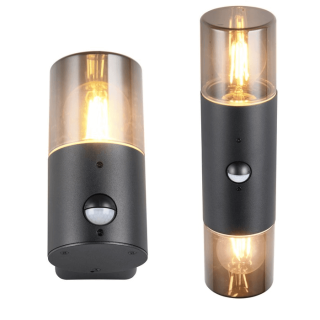
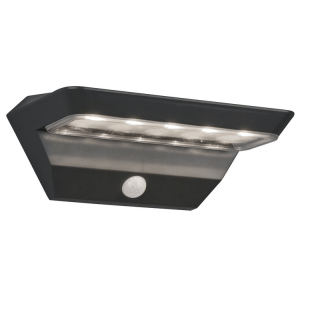
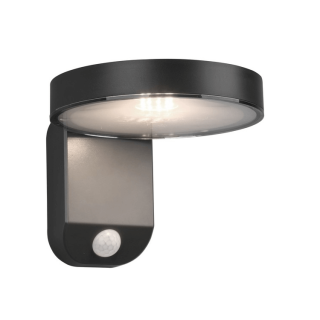
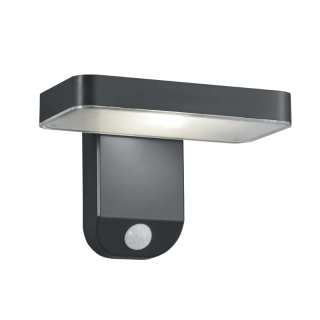
Outdoor wall lights with motion sensors combine automatic operation, enhanced security, and a clean, modern look for the facade. These fittings switch on exactly when needed, as soon as someone enters the detection zone near the entrance, gate, garage, terrace, or the path leading to the house. As a result, there is no need to remember to turn the lights on manually, and the area around the building becomes more functional, energy-efficient, and comfortable for everyday use.

In practice, this is one of those product categories customers choose not only for design, but above all for a specific purpose. They want to return home safely after dark, unlock the door conveniently while carrying shopping bags, and avoid unnecessary lighting throughout the night. That is exactly why an outdoor wall light with a motion sensor is so often a better choice than a standard exterior wall light without automation.

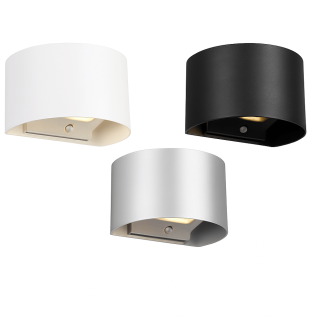
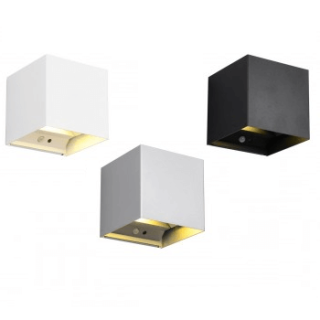
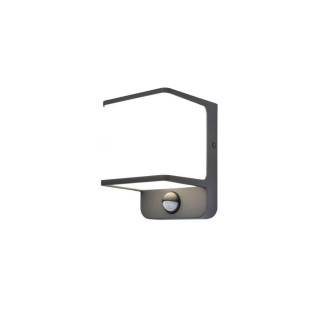
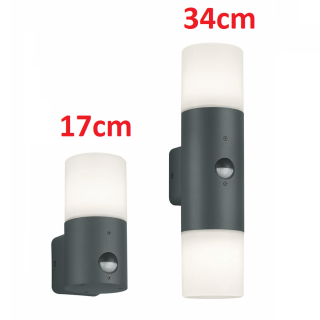
There are 10 products.

Showing 1-10 of 10 item(s)

Why Choose an Outdoor Wall Light with a Motion Sensor

The biggest advantage of this type of lighting is simple: it works exactly when it is needed. The sensor detects movement and automatically switches the light on as soon as someone enters the detection zone. This makes it an ideal solution for front doors, driveways, gates, garden paths, and garages, anywhere you need immediate light without reaching for a switch.

A second major benefit is safety. A well-lit entrance area improves visibility, makes it easier to move around after dark, and can act as a deterrent to unwanted visitors. This is not only about home security. In everyday use, it also helps you see steps, thresholds, parcels, bikes, planters, and uneven surfaces more clearly.

The third advantage is energy efficiency. Unlike fittings that stay on from dusk to dawn, motion-sensor wall lights only operate when they are genuinely needed. This is especially effective when combined with LED technology, which already uses less power and performs well in applications with frequent switching.

How a Motion Sensor Works in an Outdoor Wall Light

Most exterior wall lights in this category use a PIR sensor, or passive infrared sensor. This type of sensor detects the infrared radiation emitted by warm objects, such as people, and uses that change to trigger the light. PIR technology is widely used in lighting control and is especially effective in entrance areas, walkways, and other circulation zones where reliable motion detection matters.

In practical terms, there are three settings users should pay attention to. The first is the detection range, which determines how far away the sensor can detect movement. The second is the detection angle, which defines how wide the monitored area is. The third is the run time, meaning how long the light stays on after motion has been detected.

Many models also include a twilight threshold setting. This means the fitting can be configured to operate only after dark rather than throughout the day. That matters because a well-chosen motion-sensor wall light should not activate unnecessarily in full daylight.

Motion-Sensor Wall Lights vs Standard Outdoor Wall Lights

A standard outdoor wall light gives you illumination whenever you switch it on. A motion-sensor wall light goes a step further by responding automatically to human presence and taking the manual step out of the process. That difference has a real impact on day-to-day convenience around the property.

If you are looking mainly for decorative façade lighting, a regular exterior wall light may be enough. But if you want to combine aesthetics with practical performance, a motion-sensor version is usually the better option. That is why this subcategory speaks to a very specific purchase intent: the customer is no longer looking for just a light fitting, but for one that actively improves how the home and garden function after dark.

Which IP Rating Should You Choose for Outdoor Use

For exterior lighting, the IP rating is one of the most important technical specifications. The first digit refers to protection against solid particles, while the second relates to protection against water. In outdoor applications, the most common ratings are IP44, IP54, IP65, and above. However, these markings should never be treated as interchangeable. IP44 is not the same as IP65, and IP54 does not mean fully dust-tight.

When IP44 Is Sufficient

If the light is being installed under a canopy, on a sheltered façade, or in a location with limited direct exposure to water, IP44 is often suitable. Many outdoor wall lights designed for covered entrances and protected walls are specified at this level.

When IP54 or IP65 Is the Better Choice

If the fitting will be mounted on a more exposed wall, by an entrance without an overhang, near a driveway, gate, or anywhere regularly exposed to rain, snow, and airborne dust, then a higher level of protection is the safer choice. IP65 is a far more dependable option for demanding exterior conditions and is better suited to installations where the fitting is directly exposed to the weather.

Where Motion-Sensor Wall Lights Work Best

This is a versatile category, but it performs best wherever the user needs an immediate lighting response.

At the Front Door

This is the most common installation point. The light turns on when you approach the entrance, return home, or open the door for guests.

By the Garage and Driveway

A motion-sensor wall light improves visibility while parking, getting out of the car, and moving between the vehicle and the house.

At the Gate or Entrance Path

Automatic light in these areas improves both safety and convenience, especially when moving around the property after dark.

On the Terrace and Along Garden Paths

In these zones, the sensor activates the light only when someone is actually nearby. It is a practical choice for homeowners who do not want the garden illuminated all night.

In Commercial and Utility Areas

This type of fitting also works well at side entrances, storage areas, service rooms, and small commercial premises where automation and sensible energy use matter.

How to Choose the Right Model for Your Property

A good buying decision should not start with colour or price alone. It should begin with a few practical questions.

1. What Should the Light Do?

If the main purpose is to illuminate the entrance, choose a fitting with comfortable, well-distributed light. If it also needs to create a visual effect on the façade, directional wall lights or up-and-down designs with a sensor may be the better option.

2. How Exposed Is the Installation Area?

The more exposed the fitting is to rain, wind, snow, and dirt, the more important it becomes to choose a higher IP rating and a robust housing.

3. How Wide Should the Detection Area Be?

For a standard entrance, a medium detection angle is often enough. For a driveway or a wider front-of-house area, a model with a broader angle and longer range is usually more effective.

4. What Light Colour Is Best?

Warm white and neutral white are the most common choices for residential exteriors. Warm light creates a more welcoming atmosphere, while neutral light provides a crisper and more functional appearance.

5. Integrated LED or Replaceable Bulb?

Integrated LED fittings usually offer a more modern appearance and a more compact design. Models with replaceable bulbs provide greater flexibility when choosing wattage and light colour.

The Most Popular Types of Outdoor Wall Lights with Motion Sensors

This category performs well across a range of styles, so it makes sense to divide it not only by appearance, but also by function.

Modern Façade Wall Lights

These are among the most popular choices for new-build homes and contemporary architecture. They typically feature simple forms, black or anthracite finishes, and a clean minimalist look.

Up-and-Down Wall Lights with Sensor

These combine practical performance with decorative appeal. They light the circulation area while also creating an attractive beam effect on the wall surface.

Classic and Retro Wall Lights

These are a good fit for traditional houses, country-style homes, rustic architecture, and more decorative façades. A motion sensor does not have to mean purely minimalist styling.

Compact Technical Wall Lights

These models focus primarily on function, durability, and simplicity. They are particularly suitable for garages, utility areas, side entrances, and service access points.

What Defines the Quality of an Outdoor Wall Light

Not every motion-sensor wall light will perform equally well. In this category, it is worth looking at the quality of the whole product, not just the fact that a sensor is included.

The most important factors are the durability of the housing, resistance to weather conditions, stable electronic performance, a sensible detection range, adjustability, and the quality of the light output itself. For the customer, this means one thing: it is better to think of the fitting as a functional lighting system rather than just a decorative accessory. A well-chosen outdoor wall light should still be practical and reliable after one year, two years, and five years of use, not simply look good in the product image.

The Most Common Buying Mistakes

One of the most common mistakes is choosing a fitting based on appearance alone. Even a beautiful outdoor wall light will not do its job properly if the sensor range is too limited or the IP protection is too low for the installation point.

Another mistake is choosing a detection field that is too wide. In practice, this can cause the light to switch on because of movement in the street, on a neighbouring property, or in areas outside the intended zone. This is why sensor adjustability matters so much.

A third issue is ignoring light colour. Many users focus on wattage and detection range, only to discover later that overly cool light creates a harsh and less welcoming effect at the entrance. In residential environments, visibility matters, but so does atmosphere.

Motion-Sensor Wall Lights and Energy Savings

This type of lighting really can reduce unnecessary energy use, but only if it is matched properly to the application. The sensor itself is not a magic solution. The saving comes from the fact that the light switches on only when somebody is actually nearby, rather than running for hours without a practical need.

Combined with LED technology, this makes motion-sensor wall lights a highly practical solution for detached homes, terraced housing, apartment developments, and commercial premises. That is why they are so often chosen by customers who want to combine security, convenience, and a more modern approach to outdoor lighting operation.

Why Buy a Motion-Sensor Outdoor Wall Light from This Category

A well-designed category page should do more than display products. It should make the selection process easier. That is why it makes sense to look for models organised around the key needs customers actually have: style, finish, IP rating, light type, mounting position, and end use. This is how a category becomes genuinely aligned with real search intent and real buying behaviour.

If you are shopping for a light by the main entrance, focus on models that combine the right protection level, properly tuned sensor performance, and a comfortable light colour. If visual impact matters most, look at modern façade lights and up-and-down designs. If practicality is the priority, compact technical fittings with robust housings and adjustable run time are often the strongest option.

FAQ – Frequently Asked Questions

Does a motion-sensor outdoor wall light stay on all night?

No. In standard operation, it switches on when motion is detected and turns off again after the selected run time has elapsed.

Does the motion sensor also work during the day?

It can, but many models allow the twilight threshold to be set so that the fitting activates only after dark.

Which IP rating is best for an exterior wall?

It depends on the installation point. Under a sheltered canopy, IP44 is often sufficient, while more exposed locations generally benefit from a higher protection rating.

Are motion-sensor wall lights suitable for terraces?

Yes, especially if you want the light to activate only when someone is actually using the space.

Will the sensor react to every movement of leaves and branches?

A properly adjusted PIR sensor is designed to detect infrared radiation from warm objects, so correct positioning and setup help reduce unwanted switching.

Which is better: integrated LED or a replaceable bulb?

Integrated LED usually offers a more contemporary look and high efficiency, while a fitting with a replaceable bulb gives you more flexibility when changing the light source later.

What light colour works best at the entrance?

Warm white and neutral white are the most common choices. The right option depends on the style of the façade and the atmosphere you want to create.

Are motion-sensor wall lights only suitable for modern homes?

No. This category includes modern, classic, and retro designs, so it is easy to match the fitting to different architectural styles.