- remove_red_eye 764 views
What Are Trimless Ceiling Lights?
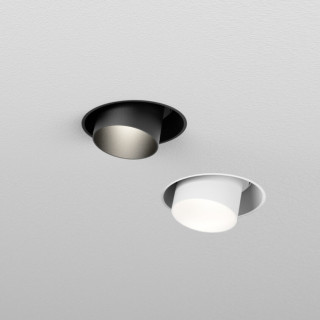
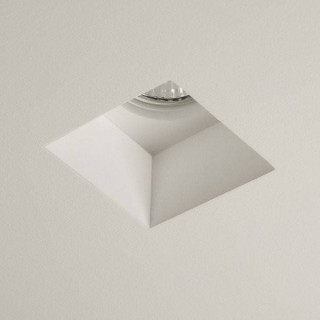
Trimless ceiling lights are frameless recessed fittings that create an almost perfectly smooth surface with the ceiling after installation. Unlike standard recessed spotlights, they do not have a visible outer trim, collar or decorative frame. Once the ceiling is finished, what you mainly see is the light itself — not the luminaire.
This solution is especially popular in modern interiors where minimalism, clean ceiling lines and refined architectural detail matter. Trimless recessed lights work well in living rooms, kitchens, hallways, bedrooms, bathrooms, offices, hotels and apartments. They are chosen wherever lighting needs to be effective, discreet and visually integrated with the interior design.
In Short: What Is a Trimless Light?
A trimless light is a recessed fitting without a visible frame. Its mounting element is hidden under plaster, filler or skim coat, so after painting, the ceiling looks clean and elegant. This creates the impression that the light is coming directly from the ceiling plane.
Trimless ceiling lights are most often installed in suspended plasterboard ceilings. Depending on the model, they can be integrated LED fittings, GU10 recessed lights, trimless downlights, adjustable spotlights or wallwasher fittings designed to illuminate vertical surfaces.
How Are Trimless Lights Different from Standard Recessed Spotlights?
A standard recessed spotlight usually has a visible trim that covers the edge of the ceiling cut-out. In a trimless fitting, this element is concealed within the ceiling structure. The final effect is more minimalist, architectural and elegant.
The difference becomes especially noticeable when many light points are used in one room. Traditional spotlights can visually divide the ceiling surface, while frameless recessed lights keep the arrangement cleaner and more consistent. As a result, the interior feels calmer, more modern and more refined.
Key Benefits of Trimless Ceiling Lights
A Clean, Minimalist Ceiling
The main advantage of trimless lights is their appearance. With no visible frame, the ceiling is not overloaded with unnecessary details. This is particularly important in modern interiors where simplicity, precision and elegant finishing are part of the design concept.
Lighting Integrated with Architecture
Frameless recessed LED lights do not dominate the interior. They become part of the architecture rather than an additional decorative object. They work beautifully with built-in furniture, wall panelling, architectural concrete, decorative mouldings, wood finishes and minimalist suspended ceilings.
High Visual Comfort
Good trimless fittings can include a recessed light source, precise lenses, reflectors or anti-glare accessories. This helps reduce glare and makes the light more comfortable for the eyes. It is a major advantage in living rooms, kitchens, bedrooms, home offices and commercial spaces.
Wide Design Possibilities
Trimless recessed ceiling lights can be used as general, accent or task lighting. Fixed models are suitable for even room illumination. Adjustable trimless spotlights allow the light to be directed towards a kitchen worktop, painting, dining table, wall, shelving unit or selected interior zone.
How Are Trimless Ceiling Lights Installed?
Installing trimless lights requires more precision than installing standard framed recessed fittings. In most cases, the process starts with planning the exact location of each light point and checking whether the ceiling has enough installation depth.
The first step is to cut the mounting hole according to the product’s technical specification. Then the frame, mounting ring or body of the fitting is installed. This element is integrated with the plasterboard, and its edges are filled, levelled and sanded. Only after that is the ceiling painted. The light module or lamp source is usually installed at the final stage.
Installation Before Plastering or After Renovation?
The best effect is usually achieved with plaster-in trimless fittings installed before the final finishing of the ceiling. This allows the technical frame to be completely hidden under the finishing layer. Some systems are designed for installation in already finished surfaces, but they still require precision and careful finishing of the gap.
For this reason, trimless lights should ideally be planned at the stage of the suspended ceiling design. It is worth deciding in advance how many fittings will be used, where they will be placed, what type of power supply is needed, where drivers will be located, how the lighting will be controlled and how future service access will be ensured.
What Should You Check Before Buying Trimless Lights?
Before choosing a trimless light for a plasterboard ceiling, several technical parameters should be checked. The most important are the cut-out size, minimum installation depth, type of light source, wattage, lumen output, beam angle, CRI, colour temperature, IP rating and dimming compatibility.
For living rooms and bedrooms, 2700K or 3000K is most often chosen because it provides a warm and pleasant atmosphere. For kitchens, wardrobes, bathrooms and work areas, 3000K or 4000K may be more practical. It is also worth choosing fittings with CRI 90 or higher, especially where natural colour rendering is important — for wood, textiles, stone, artwork and decorative finishes.
In bathrooms, the IP rating must be checked carefully. Not every trimless ceiling fitting is suitable for areas exposed to moisture. In buildings with insulation or special fire safety requirements, it is also necessary to confirm that the manufacturer allows the intended installation method.
Common Mistakes When Choosing Trimless Lights
The first mistake is buying a fitting without checking the available ceiling depth. Even the most attractive model will not work if it cannot fit inside the ceiling structure. The second mistake is planning the lighting too late. Frameless recessed fittings are best considered before plastering and painting.
Another common issue is choosing the wrong beam angle. A narrow beam works well for accent lighting, but it may not be enough for general illumination. A very wide beam, on the other hand, can create flatter and less dramatic lighting. Low CRI should also be avoided in elegant interiors, because the quality of light has a strong impact on how materials and colours are perceived.
Do Trimless Ceiling Lights Have Any Disadvantages?
Trimless ceiling lights are extremely elegant, but they require precise installation. They are less forgiving than traditional recessed fittings with visible trims, because there is no frame to hide small imperfections. If the cut-out is inaccurate or the finishing work is poor, the final effect may not meet expectations.
It is also worth remembering that replacing a trimless fitting with a different model can be more difficult later, especially if the new product has a different cut-out size. This is why it is important to choose a reliable system and plan the entire lighting layout at the beginning of the project.
Who Should Choose Trimless Ceiling Lights?
Trimless lights are ideal for people who want a modern, elegant and visually clean ceiling without visible frames. They are a strong choice for minimalist, premium, Japandi, modern classic and contemporary apartment interiors.
They work best in new projects, major renovations and interiors with suspended plasterboard ceilings. If you want discreet design, high visual comfort and the effect of a professionally designed interior, trimless recessed ceiling lights are one of the best solutions.
FAQ — Frequently Asked Questions About Trimless Ceiling Lights
Do trimless lights fit every ceiling?
No. They are most often installed in suspended plasterboard ceilings, although some systems are designed for other surfaces as well. The technical specification and required installation depth must always be checked.
Can trimless lights be installed after renovation?
Sometimes yes, but the best result is achieved when installation is planned before plastering and painting the ceiling. In an already finished ceiling, installation may be more difficult and time-consuming.
Are trimless lights suitable for bathrooms?
Yes, but only models with the correct IP rating. For bathrooms, you should choose fittings approved for use in areas with increased moisture.
Which is better: trimless LED or GU10?
Trimless LED fittings usually provide better optics, smaller dimensions and a more professional lighting effect. GU10 can be a practical choice where easy lamp replacement is more important.
How should trimless lights be arranged in a living room?
They should not be placed only in equal rows without analysing the room’s functions. It is better to match light points to specific zones: sofa, coffee table, decorative wall, passage areas and built-in furniture.
Are trimless lights better than standard spotlights?
They are better visually if you want a clean ceiling and a premium architectural effect. Standard spotlights are easier to install, but they look more technical and less discreet.