-
Gold LED Pendant Light as a Premium Accent — How Lighting Creates Elegance in High-End Interiors 01/30/2026 13:38:51Modern floor lamps: lighting scenes and a mistake-free choice 01/28/2026 22:15:27LED Recessed Spotlights — the Invisible Heroes of Harmonious Lighting Architecture 01/16/2026 09:05:44
Ceiling covers
A wide range of ceiling luminaires allows you to choose the right solution for each interior in such a way that it best matches the arrangement used in it. Depending on the lighting solutions used, it is possible to choose discreet recessed ceiling luminaires or exposed surface-mounted ceiling luminaires. In our store, we offer luminaires made of aluminum, steel sheet, plaster and glass. With such a wide range of ceiling luminaires as ours, it is easy to match a lamp to any interior and project, and the number of solutions we propose, both for replaceable bulbs and integrated LED luminaires, allows us to meet the expectations of every customer.
- -15%
- On sale!
- -20%
What Are Ceiling Light Fixtures?
Ceiling light fixtures, i.e. luminaires mounted directly onto or into the ceiling, are responsible for providing effective illumination across a wide range of spaces. They are commonly used in offices, retail environments, residential interiors, and industrial facilities alike. The available range is extensive, from classic flush-mounted ceiling lights to modern recessed and surface-mounted solutions.
These luminaires can use various light sources:
- including LEDs,
- halogen lamps,
- and fluorescent lamps.
Each option offers distinct advantages. LEDs are valued for their low energy consumption and long lifespan, halogen lamps provide a natural, warm glow, while fluorescent lamps are particularly effective for illuminating large areas. Beyond their functional role, ceiling fixtures also have a significant impact on interior aesthetics. Carefully selected styles and designs can enhance the character of any space.
Types of Ceiling Light Fixtures
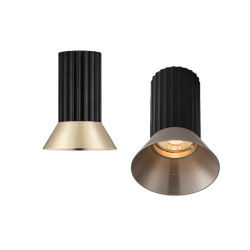
Ceiling light fixtures are available in numerous variants, each with specific features and applications. Surface-mounted fixtures are installed directly onto the ceiling surface, making them quick and easy to install. Recessed fixtures are integrated into the ceiling structure, creating a clean, modern, and minimalist appearance. Spotlights allow for precise, directional lighting, ideal for highlighting selected elements of an interior. Downlights provide subtle, evenly diffused illumination and are widely used in both residential and commercial spaces. Flush-mounted ceiling lights remain a timeless classic, delivering broad, general illumination suitable for living rooms, corridors, and other areas requiring uniform light.
Ceiling fixtures can be broadly divided into several main categories based on their construction and purpose.
- Surface-mounted fixtures are installed directly onto the ceiling and are ideal for low ceilings and straightforward installation.
- Recessed fixtures are built into the ceiling for a sleek, minimalist appearance.
- Crystal ceiling fixtures attract attention with elegant designs and striking light reflections.
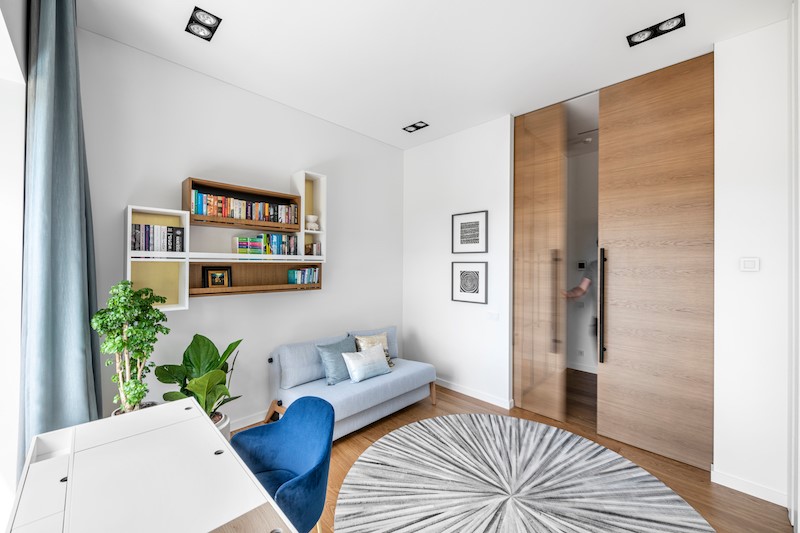
Where Can Ceiling Light Fixtures Be Used?
Ceiling light fixtures have an exceptionally wide range of applications. In offices and retail spaces, they effectively illuminate work areas. In public buildings such as corridors, lobbies, and conference rooms, they serve as reliable primary light sources. In industrial settings, they are essential for lighting production halls and warehouses, where functionality and durability are critical. In private homes, ceiling fixtures work perfectly in living rooms, kitchens, and bathrooms, providing evenly distributed light and enhancing interior design. In hallways, they ensure practical and comfortable illumination of circulation areas. Regardless of location, well-chosen ceiling fixtures significantly improve everyday comfort and create the right atmosphere.
Style and Aesthetics of Ceiling Light Fixtures
Ceiling fixtures play a major role in defining the mood of an interior, and their appearance often determines the overall character of the space. They are available in a wide range of colors and materials, allowing them to be easily matched to different design styles. Popular finishes include
- classic white,
- elegant gold,
- modern black,
- metallic aluminum
Such diversity makes it possible to create a cohesive interior concept.
Aluminum introduces an industrial feel, glass adds lightness and elegance, while steel or sheet metal creates a raw, minimalist look. The right choice of style can make a space feel warmer or emphasize modern simplicity. Carefully selected colors and materials enhance aesthetics while highlighting the unique character of the interior. Ceiling fixtures should always harmonize with the overall design concept.
Recessed Ceiling Light Fixtures
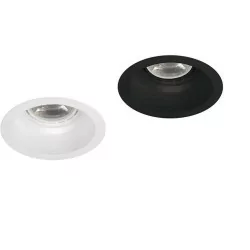
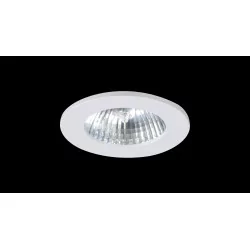
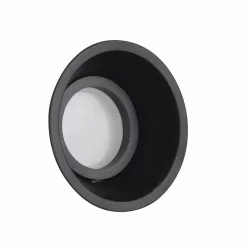
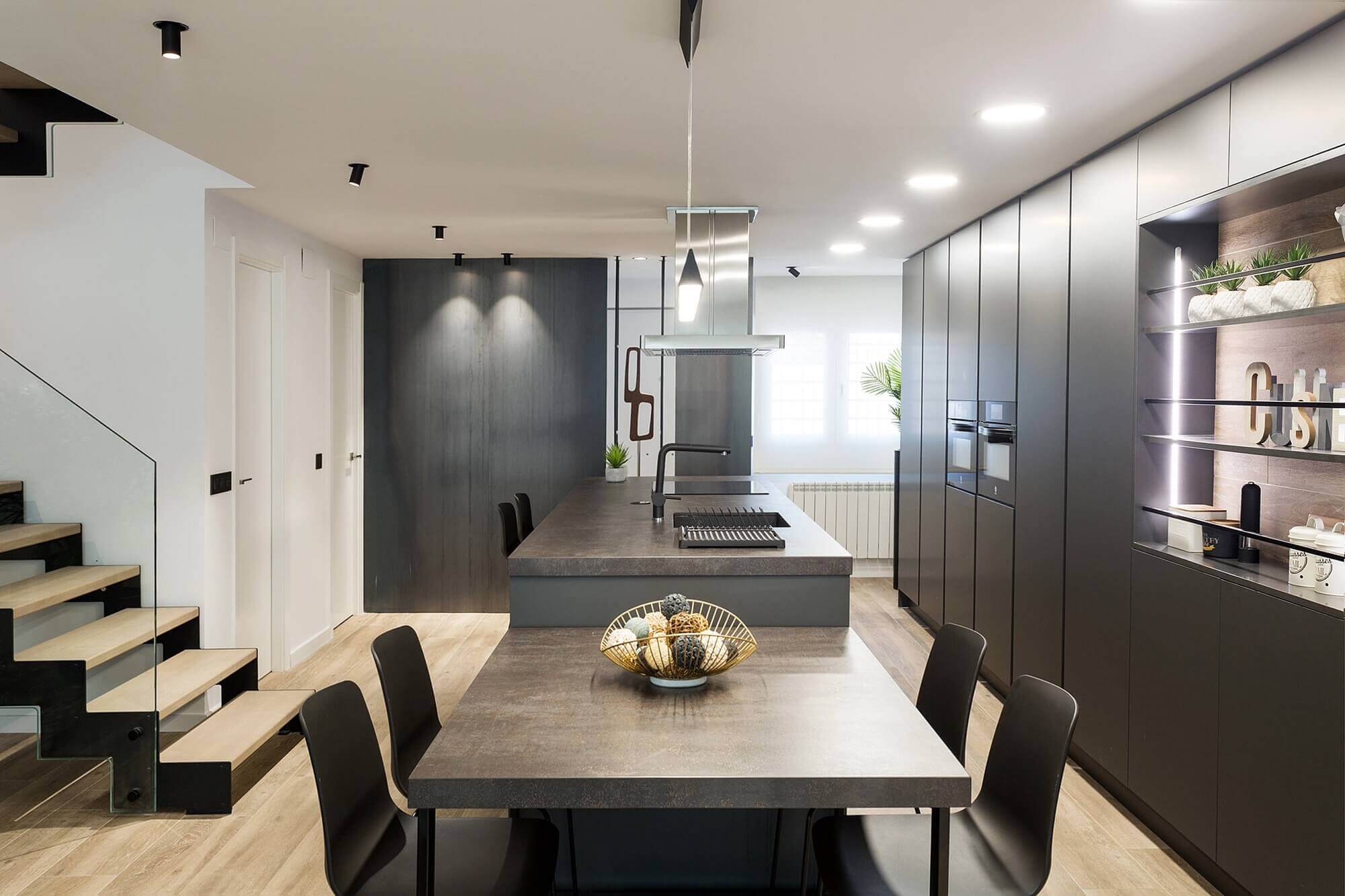
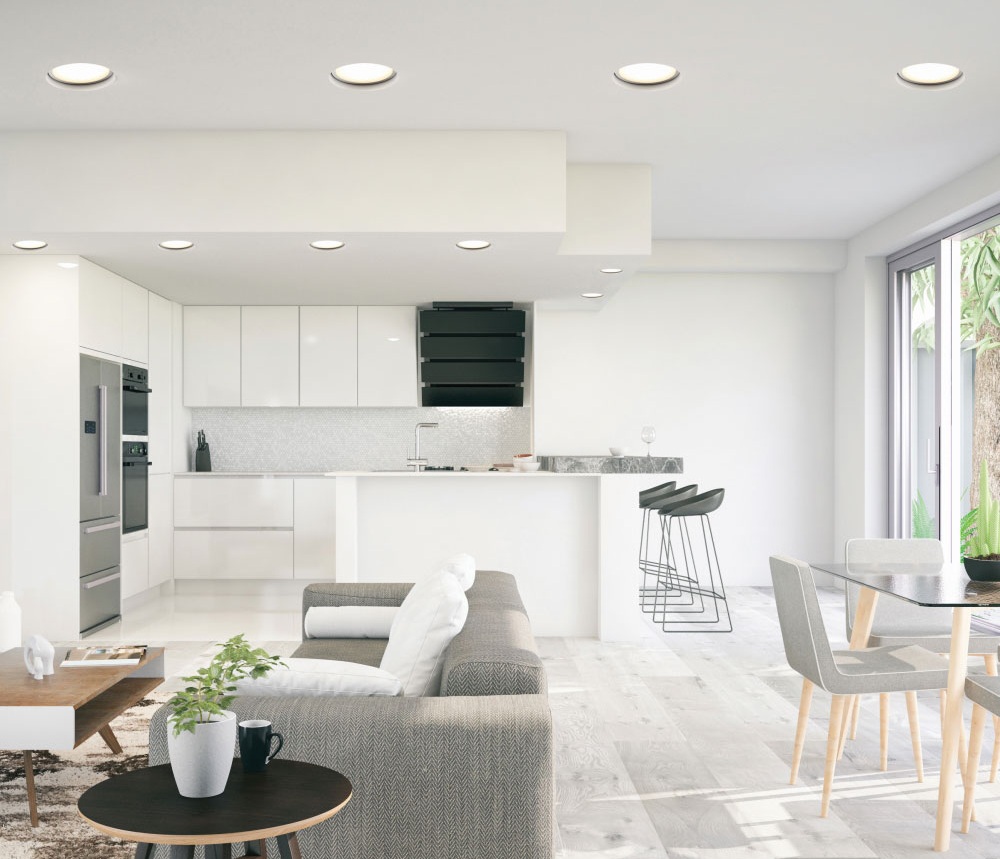
Recessed ceiling lighting is a modern solution for subtle and elegant illumination. Hidden within the ceiling structure, it remains almost invisible while delivering evenly distributed light. This type of lighting fits perfectly into minimalist interiors where both aesthetics and functionality are essential. Its defining features include a discreet appearance and seamless integration with the ceiling surface.
Recessed fixtures are ideal for living rooms, kitchens, and bathrooms, where precise and visually pleasing lighting is particularly important. LED technology is most commonly used in recessed fixtures. LED light sources offer low energy consumption, exceptional durability, and extensive customization options in terms of light color and intensity, making them both economical and environmentally friendly.
Key advantages of recessed fixtures include a visually appealing design due to concealed light sources, uniform illumination without shadows or unwanted reflections, and the ability to create a comfortable atmosphere in residential and commercial interiors. Recessed ceiling fixtures are an excellent choice for those seeking elegant, modern lighting that meets contemporary design standards.
LED Technology in Recessed Fixtures
LED technology used in recessed ceiling fixtures offers numerous benefits. High energy efficiency results in lower electricity bills and reduced operating costs. Long lifespan minimizes the need for frequent replacements, while lower heat emission increases comfort and safety. A wide range of color temperatures allows lighting to be tailored to specific needs, from warm and cozy to neutral or cool, ideal for work environments. Recessed LED fixtures perform equally well in residential and commercial spaces, combining modern design with practical functionality.
Traditional Ceiling Light Fixtures
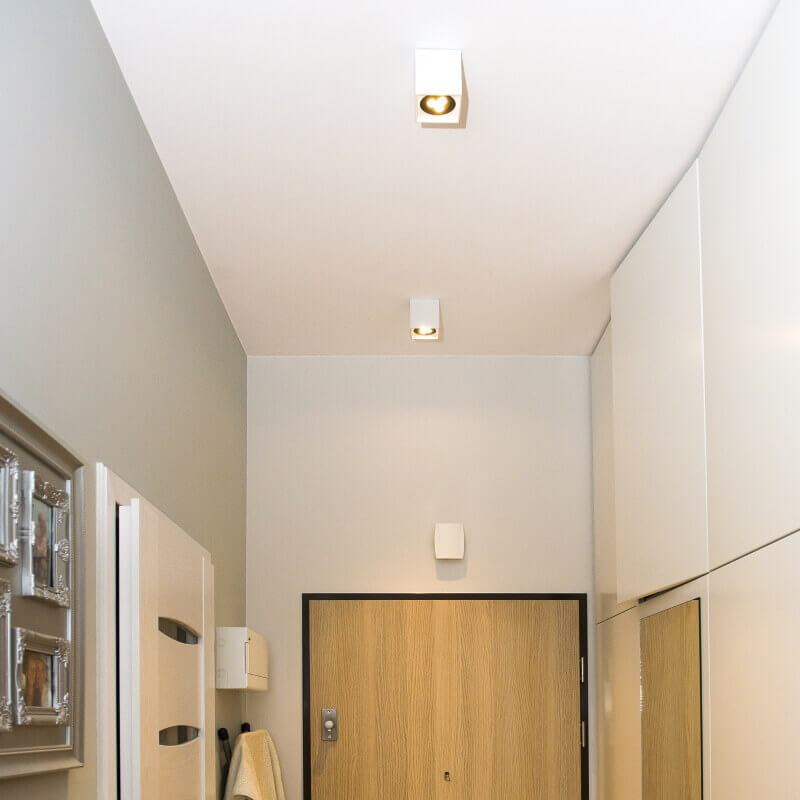
Traditional ceiling fixtures are proven, popular solutions that combine classic elegance with everyday practicality. Available in many forms and made from materials such as metal or glass, they are easy to adapt to different interiors and highlight individual design preferences. Their shapes may be round, square, or rectangular, while diverse materials ensure durability and visual harmony.
Solid construction guarantees long-lasting performance, and their versatility allows installation in almost any type of space. Traditional ceiling fixtures suit both residential and commercial interiors, and their timeless design complements a wide range of interior styles. We also invite you to explore the Aqform manufacturer’s collection, which adapts seamlessly to various room types.
Variety of Shapes and Materials
Traditional ceiling fixtures come in a wide selection of shapes, including round, square, and rectangular. They are manufactured from materials such as aluminum, glass, and steel. Aluminum provides a modern look, glass adds elegance, and steel ensures exceptional durability. This variety makes it easy to match fixtures to both aesthetic and functional requirements.
Versatility of Traditional Ceiling Fixtures
Traditional ceiling fixtures are highly versatile, making them suitable for a wide range of spaces, from private homes to commercial environments. Their classic appearance blends well with both modern and traditional interiors. They can be installed in living rooms, kitchens, and offices where both aesthetics and functionality matter. Solid construction combined with attractive design makes them a reliable, timeless choice.
Technical Specifications of Ceiling Light Fixtures
Technical specifications play a crucial role in selecting appropriate ceiling lighting. Key parameters include power, size, energy efficiency class, and type of light source. Power, measured in watts, determines energy consumption, while dimensions affect both aesthetics and functionality.
Energy efficiency classes range from A+++ for the most efficient models to D for less efficient ones. Various light sources allow fixtures to be adapted to specific needs. LEDs offer low energy consumption and long lifespan, fluorescent lamps provide wide and even light distribution, and halogen lamps deliver bright, natural illumination. Considering these parameters ensures optimal lighting performance tailored to the functional and aesthetic requirements of the space.
Light Sources and Energy Efficiency
Ceiling fixtures can use different light sources that affect both lighting quality and energy efficiency. LEDs, halogens, and fluorescent lamps are the most common choices. LED lamps offer the lowest energy consumption and longest lifespan, making them the most economical solution. Halogen lamps emit bright, natural light but consume more energy, while fluorescent lamps provide broad light distribution ideal for large areas.
Energy efficiency, classified from A+++ to D, is a key factor. LEDs dominate in this respect, offering environmentally friendly and cost-effective lighting solutions.
Dimensions and Power of Ceiling Fixtures
Fixture dimensions and power are essential considerations when selecting ceiling lighting. Maximum lamp power determines lighting effectiveness. Residential spaces typically require lamps in the range of 10–20 W, while larger commercial areas may need up to 50 W. The mounting cut-out size is also important for recessed fixtures to ensure secure installation and a clean ceiling finish.
Standard cut-out diameters usually range from 60 mm to 120 mm. Properly selected dimensions guarantee optimal light distribution and harmonious integration into the ceiling design.
Installation of Ceiling Light Fixtures
Ceiling fixtures can be installed in two main ways: surface-mounted or recessed. The choice depends on interior conditions and fixture type. Surface-mounted installation involves attaching the fixture directly to the ceiling, offering a fast and simple solution without structural modifications. Recessed installation requires ceiling cut-outs, creating a modern appearance with nearly invisible light sources. This method is particularly popular for LED lighting due to its efficiency and longevity.
Proper preparation, including consideration of ceiling height and electrical point layout, ensures trouble-free installation and long-term user comfort.
Types of Installation: Surface-Mounted and Recessed
Surface-mounted installation involves fixing the fixture directly to the ceiling surface, making it quick and practical, especially for flush-mounted lights. Recessed installation requires cutting openings in the ceiling to embed the fixtures, creating a sleek, modern look with hidden light sources. Both installation methods offer distinct advantages and can be selected according to aesthetic and functional requirements.
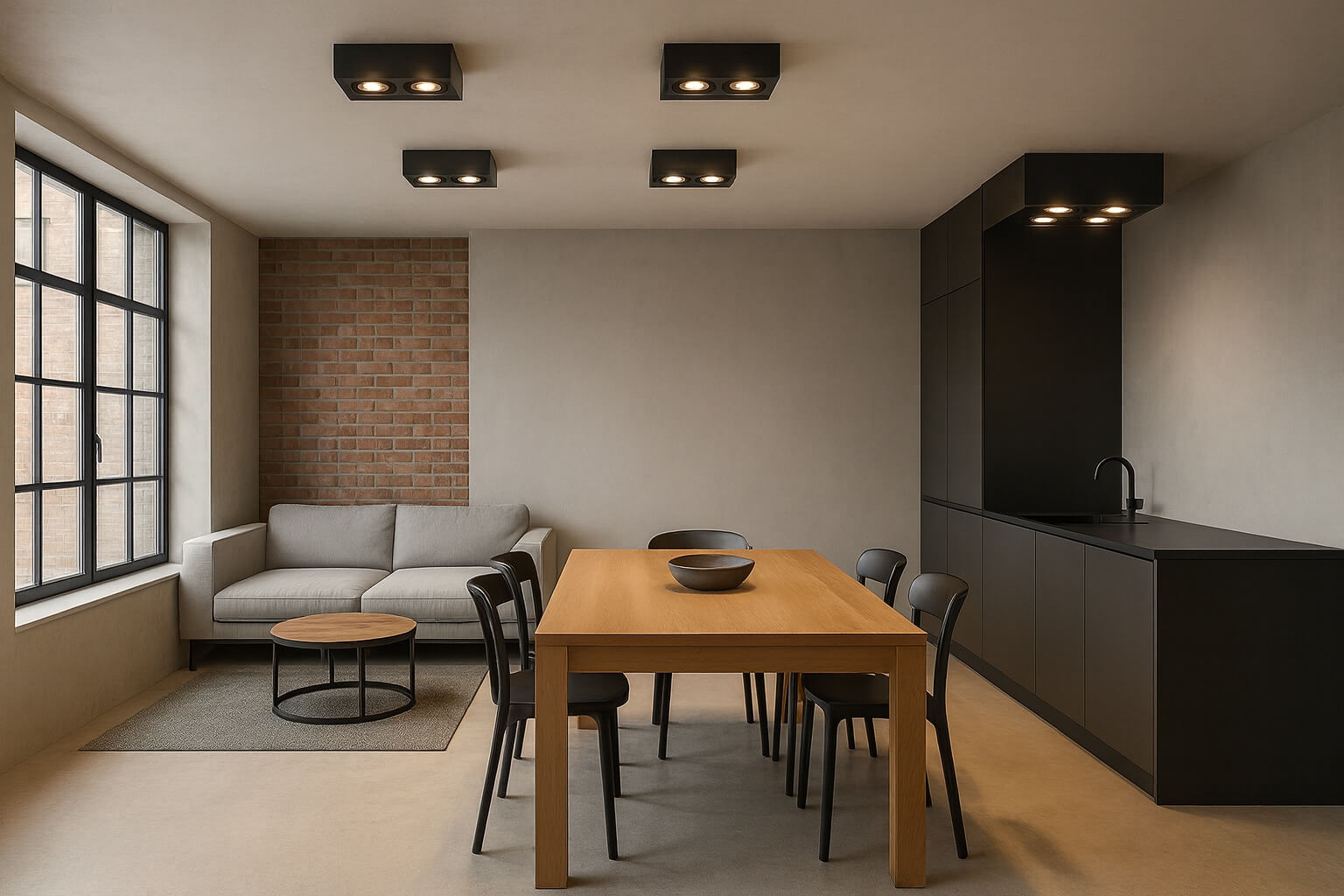
FAQ – Frequently Asked Questions About Ceiling Light Fixtures
Which ceiling fixture should I choose: recessed or surface-mounted?
The choice depends on ceiling construction and the desired visual effect. Recessed fixtures are ideal for suspended ceilings and offer a minimalist look, while surface-mounted fixtures are suitable where ceiling modification is not possible or when a decorative element is desired.
What is the difference between trimless and standard recessed fixtures?
Trimless fixtures are installed so that only the light is visible after finishing, without a frame or trim. Standard recessed fixtures feature a visible rim. Trimless solutions are purely architectural and favored in modern interiors.
Are plaster ceiling fixtures durable and safe?
Yes, high-quality plaster fixtures are durable and safe. They are made from crack-resistant plaster or gypsum-polymer blends and can be painted to match the ceiling for a seamless appearance.
Which ceiling fixtures work best as primary lighting?
Downlights, linear fixtures, and larger surface-mounted luminaires with sufficient power and wide beam angles are best suited for general lighting.
What should be considered when choosing light color?
Warm white light (2700–3000K) is ideal for living areas and bedrooms, neutral white light (4000K) for kitchens and offices, and cool white light (5000–6000K) for technical spaces.
Can LED ceiling fixtures be dimmed?
Many LED ceiling fixtures support dimming, provided compatible drivers and control systems such as TRIAC, DALI, or smart home solutions are used.
How many ceiling fixtures are needed in one room?
The number depends on room size, ceiling height, fixture output, and function. A lumen-per-square-meter approach is typically used to determine the optimal layout.
Are ceiling fixtures suitable for bathrooms?
Yes, but fixtures with appropriate IP ratings, such as IP44 or IP65, should be selected for moisture-prone areas.
Do recessed and trimless fixtures require planning at the design stage?
Absolutely. These fixtures should be planned during the ceiling design phase to ensure proper installation and optimal lighting layout.
What are the most common mistakes when choosing ceiling fixtures?
Common errors include incorrect power selection, inconsistent light color, poor fixture placement, and lack of service access. Professional selection should balance aesthetics with technical performance.
Our customers also appreciate the following ceiling lighting solutions:

shopping_cart
0
Menu
- +Outdoor lighting
- +Indoor lighting
- +LED wall lights
- Line light LED
- LED profiles ALU
- +Track system
- Multiline - magnetic track system 22mm 48V
- FIVETRACK 5 mm 48V Magnetic Tracks & Luminaires
- AQFORM Multitrack 48V - Premium magnetic Stucchi track
- 3-phase track systems
- 1-Phase Track Systems
- MINILINE magnetic track lighting
- AQFORM FLATTRACK magnetic track 48V
- +Magnetic system 11mm Micro, Core11
- Black track lighting
- White track lighting
- +LED ceiling lamps, hanging and surface-mounted
- +Ceiling covers
- +LED plafonds
- LED recessed downlights
- +Hanging lamps LED
- Ceiling spotlights and spots
- Ceiling fans LED
- LED lights for paintings
- Starry Sky
- +LED floor lamps
- LED table and desk lamps
- Living room
- Bedroom
- Dining room
- LED bathroom lighting
- LED kitchen lighting
- LED stairs lighting
- +LED bulbs
- All manufacturers
- Prices drop
- New Products
- Bestseller
- LED Lamps
-
- Indoor lighting
- LED wall lights
- Line light LED
- LED profiles ALU
- Track system
- Multiline - magnetic track system 22mm 48V
- FIVETRACK 5 mm 48V Magnetic Tracks & Luminaires
- AQFORM Multitrack 48V - Premium magnetic Stucchi track
- 3-phase track systems
- 1-Phase Track Systems
- MINILINE magnetic track lighting
- AQFORM FLATTRACK magnetic track 48V
- Magnetic system 11mm Micro, Core11
- Black track lighting
- White track lighting
- LED ceiling lamps, hanging and surface-mounted
- Ceiling covers
- LED plafonds
- LED recessed downlights
- Hanging lamps LED
- Ceiling spotlights and spots
- Ceiling fans LED
- LED lights for paintings
- Starry Sky
- LED floor lamps
- LED table and desk lamps
- Sources of light
- LED Strip Lights
- Outdoor lighting
- LED profiles
- LED stairs lighting
- LED accessories
- Equipping interiors
- Sale
- The FIBARO system
- Bestsellers
- LED bathroom lighting
- Decorative LED lighting
- LED lighting furniture
- LED kitchen lighting
- Technical and information LED lighting
- Lighting with LED for children
- Other lamps
- Living room
- Bedroom
- Dining room
- Indoor lighting