-
Gold LED Pendant Light as a Premium Accent — How Lighting Creates Elegance in High-End Interiors 01/30/2026 13:38:51Modern floor lamps: lighting scenes and a mistake-free choice 01/28/2026 22:15:27LED Recessed Spotlights — the Invisible Heroes of Harmonious Lighting Architecture 01/16/2026 09:05:44
LED bathroom lighting
Bathroom lamps
Bathroom lighting is one of the key elements of a modern and functional bathroom. Properly selected bathroom lamps not only enhance everyday comfort but also significantly impact user safety and the overall visual appeal of the interior. Due to the specific conditions present in bathrooms—such as increased humidity, frequent temperature changes, and exposure to steam—lighting fixtures must comply with strict technical requirements, particularly regarding IP protection ratings.
Modern LED bathroom lights offer energy efficiency, long lifespan, and high-quality illumination, making them ideal for precise daily activities such as applying makeup or shaving. Zoned bathroom lighting is becoming increasingly popular, combining ceiling lamps as the main light source, wall lights near mirrors, and subtle decorative lighting that enhances the character of the space.
Aesthetics are equally important. Sleek, modern bathroom lamps align perfectly with contemporary interior trends, while classic lighting designs complement more traditional bathroom arrangements. Regardless of style, safety, functionality, and compliance with current technical standards remain paramount—these factors ultimately determine the durability, performance, and overall quality of bathroom lighting.
- -10%
- -10%
Types of Bathroom Lighting Fixtures
Selecting the right bathroom lighting has a direct impact on both the functionality of the space and its overall appearance. Depending on the specific zone in which the fixtures are installed, different types of bathroom luminaires should be used.
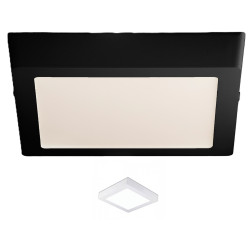
Wall lights are an ideal solution near the mirror, providing focused, directional illumination that supports everyday activities such as applying makeup or shaving. Ceiling-mounted bathroom lights, on the other hand, ensure even light distribution throughout the entire room, significantly improving user comfort. In smaller bathrooms, flush-mounted ceiling lights (plafonds) work particularly well due to their compact design.
More decorative solutions are also worth considering. Pendant lights add elegance and become a visual focal point thanks to their distinctive design. Spotlights allow light to be directed precisely where it is needed, increasing both flexibility and functionality.
Motion-sensor lighting is gaining increasing popularity. Automatically activated upon entering the bathroom, it offers a convenient and energy-efficient solution.
LED bathroom lighting also deserves special attention. LEDs are valued for their low energy consumption, long service life, and high-quality light output. They enable the creation of efficient and durable lighting systems that combine modern technology with practical performance.
All of the above fixture types can be effectively adapted to specific bathroom zones:
- around the mirror,
- above the shower enclosure,
- in the central ceiling area.
With proper placement of light sources, the bathroom gains a cohesive, comfortable, and well-balanced lighting scheme.
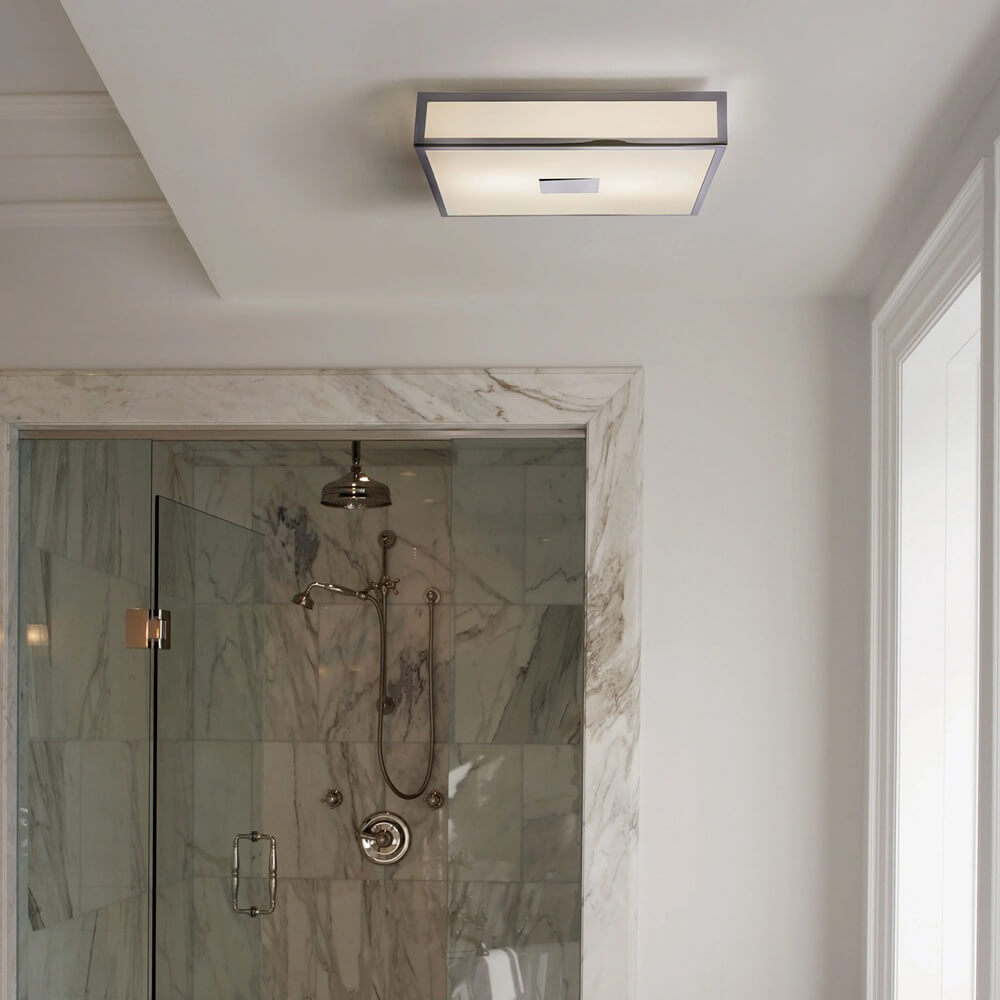
Style and Design of Bathroom Lighting
The appearance and form of bathroom lighting play a significant role in the overall interior design. Well-chosen bathroom luminaires can enhance the character of the space—whether minimalist, classic, retro, or industrial. The lighting style should remain consistent with the overall bathroom design.
Modern bathrooms often feature fixtures with clean, geometric forms made of steel, aluminum, or glass, frequently finished in chrome. Classic designs typically incorporate materials such as brass and opal glass, introducing a warm, timeless atmosphere.
A wide variety of shapes and finishes allows bathroom lighting to be tailored to individual preferences. Retro styles attract attention with decorative, vintage-inspired details; industrial designs emphasize raw materials and functionality; while Scandinavian minimalism focuses on light colors, simplicity, and natural illumination.
Material selection is equally important, as it affects both aesthetics and durability in a high-humidity environment. Chrome finishes and glass surfaces are particularly recommended due to their corrosion resistance and ease of maintenance.
Well-designed ceiling and wall-mounted bathroom lights can successfully combine visual appeal with practicality, creating a cohesive and highly functional interior.
Safety and IP Ratings
In a bathroom environment, where moisture and steam are constant factors, lighting safety is a top priority. A key parameter when selecting bathroom lighting is the IP (Ingress Protection) rating, which defines resistance to water and solid particles such as dust.
In areas exposed to direct moisture—such as around the bathtub or shower—fixtures with a minimum protection rating of IP44 are recommended. Models rated IP54 or IP65 provide even higher protection, offering improved durability and long-term reliability.
IP44 protects against water splashes and small solid particles.
IP65 provides full dust protection and resistance to strong water jets, making it ideal for zones exposed to direct splashing.Selecting the correct IP rating for each bathroom zone is essential not only for safety, but also for the longevity of the lighting installation. Bathroom lighting that complies with these standards will perform reliably for years, even in demanding conditions.
Functionality of Bathroom Lighting
Everyday bathroom use places high demands on lighting functionality. Properly selected bathroom fixtures enhance comfort while improving safety during daily routines.
Dimming functionality allows users to adjust light intensity, creating a relaxing atmosphere for evening baths. Adjustable beam angles are particularly useful for precision tasks such as shaving or applying makeup.
Modern bathroom lighting systems increasingly incorporate voice control or app-based operation. These solutions provide touch-free convenience and improve hygiene in humid environments.
Light output is another crucial factor. The power of bathroom lighting should be matched to the size of the room and its functional zones, ensuring that each area is adequately illuminated. Proper light intensity improves visibility and reduces the risk of slipping or performing grooming tasks inaccurately.
Bathroom Lighting – Key Considerations
When selecting bathroom lighting, several essential factors should be taken into account to ensure both comfort and safety. One of the most important is the IP protection rating, especially in moisture-prone areas such as near showers and bathtubs. For these zones, fixtures rated at least IP44 are recommended.
Equally important is the use of multiple light sources. Wall lights near the mirror support daily grooming tasks, while ceiling-mounted lights and plafonds ensure even illumination throughout the space. LED lighting stands out as a modern, energy-efficient solution offering high-quality light and extended lifespan.
Aesthetic considerations should not be overlooked. The style and design of bathroom lighting should complement the overall interior concept—whether modern, classic, or industrial.
Example solutions include:
- LED plafonds with IP65 rating for zones exposed to water,
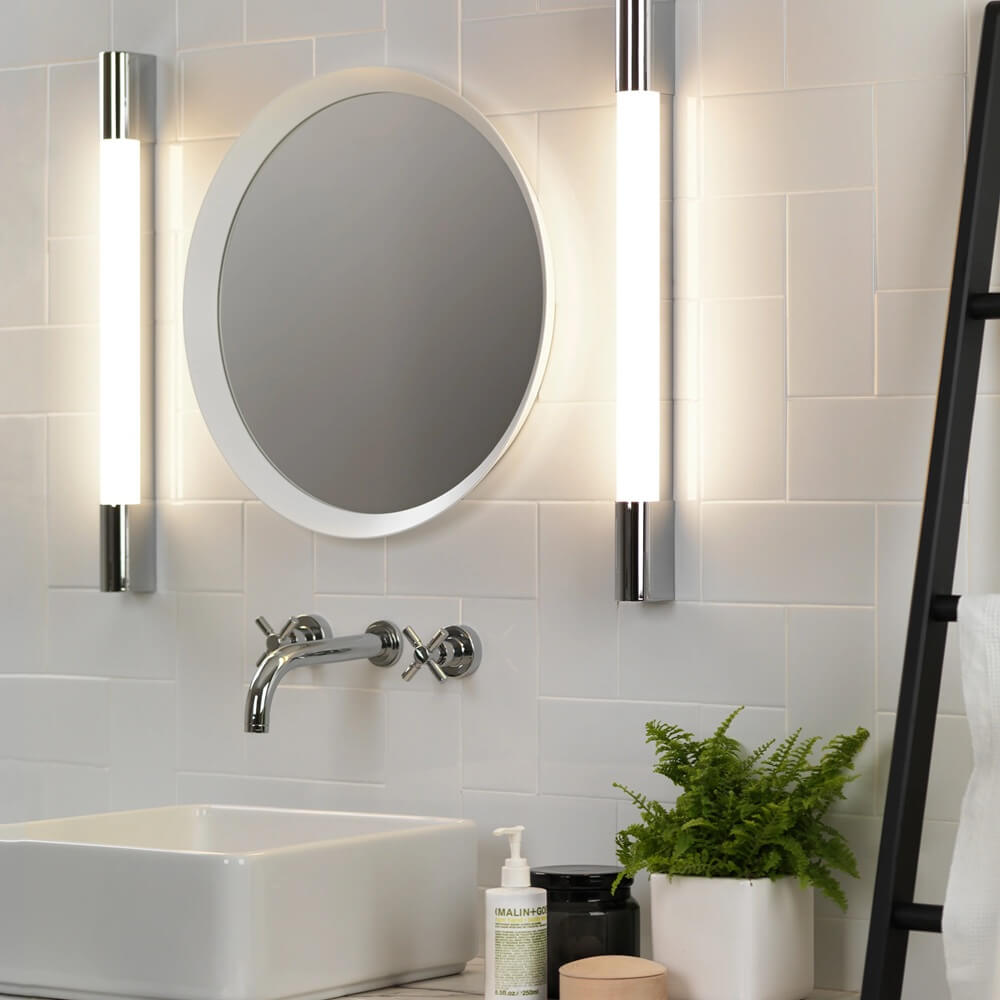
- LED wall lights mounted on both sides of the mirror to improve visibility and reduce facial shadows,
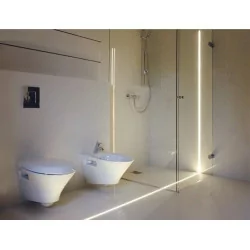
- ceiling spotlights and LED strips used to create accent lighting and highlight architectural features.
Well-planned bathroom lighting is a balance of functionality and aesthetics, delivering comfort, safety, and a visually refined interior.
How to Choose the Right Bathroom Lighting Fixtures
Choosing the right bathroom lighting should address both visual appeal and practical user needs. The lighting style should align with the overall bathroom design—modern fixtures add lightness and elegance, while classic models emphasize timeless character.
One of the most important technical parameters is the IP rating. Ceiling-mounted bathroom lighting installed in moisture-prone areas, such as near showers or bathtubs, should feature a minimum IP44 rating to ensure safe operation in humid conditions.
The choice of light source is equally important. LED fixtures are currently the most popular option due to their energy efficiency, durability, and wide range of wattages and color temperatures. Warm tones create a relaxing atmosphere, while cooler light supports concentration during grooming tasks.
Properly selected bathroom lighting enhances overall comfort, improves ergonomics, and elevates the aesthetic value of the interior.
Bathroom Lighting Fixtures – Ceiling and Beyond
Well-chosen ceiling-mounted bathroom lights and complementary fixtures effectively combine functionality with aesthetics, becoming an integral part of the interior design. Wall lights near the mirror provide precise facial illumination, essential for shaving or applying makeup. Plafonds are ideal for smaller bathrooms, offering uniform light distribution without occupying additional space.
In larger or more decorative bathrooms, pendant lights are increasingly popular. Beyond their functional role, they serve as decorative elements that add elegance and visual interest. Modern interiors frequently feature LED lighting, valued for energy efficiency, longevity, and contemporary design. Motion-sensor versions further enhance convenience while reducing energy consumption.
Fixtures with chrome or glass elements integrate seamlessly with minimalist and modern interiors. Bathroom lighting installed above the mirror and designed for high-humidity environments helps create a functional and visually appealing grooming zone tailored to everyday needs.
Installation and Layout of Bathroom Lighting
Correct installation and thoughtful lighting layout significantly influence both functionality and visual impact. Moisture and dust resistance—defined by IP ratings—should always be considered, especially in zones exposed to water, such as near showers and bathtubs, where IP44-rated fixtures or higher are recommended.
Equally important is the placement of light sources. Fixtures installed above mirrors or in work zones should provide even, glare-free illumination to support daily activities. Wall lights mounted on either side of the mirror help minimize facial shadows and improve precision during grooming.
For optimal results, multiple lighting types should be combined. An LED ceiling light works well as the primary ceiling-mounted bathroom light, while LED strips can be used to accent niches, shelves, or mirror edges, adding a modern and atmospheric touch.
Ease of installation is another key factor. Fixtures with simple mounting systems and easy access to light sources reduce installation time and simplify maintenance. Well-designed bathroom lighting should meet technical requirements while integrating seamlessly into the overall interior concept.
Ease of Installation of Bathroom Lighting
When selecting ceiling-mounted bathroom lights or other fixtures, installation method is an important consideration alongside design and technical specifications. Simple installation is particularly beneficial for DIY projects or lighting upgrades.
Surface-mounted fixtures and plafonds are especially popular, as they can be installed without modifying ceiling or wall structures. Their installation requires no specialized tools, and access to the light source is quick and convenient, simplifying maintenance and bulb replacement.
Many modern fixtures feature intuitive mounting systems that significantly reduce installation time. This is especially important in bathrooms, where any intervention in surfaces should be as non-invasive as possible. Easy installation also improves safety by reducing the risk of installation errors that could affect performance or durability.
Bathroom lighting that can be installed easily and safely is a practical choice for users who value convenience, aesthetics, and reliability.
Bathroom Lighting Above the Mirror and in Bathroom Zones
Properly positioned bathroom lighting is essential for everyday comfort. Particular attention should be paid to the mirror zone, where precision tasks such as shaving, makeup application, and facial care are performed.
The best results are achieved by installing wall lights on both sides of the mirror or directly above it. This arrangement minimizes shadows and provides even facial illumination. Fixtures in this area should emit light close to daylight in color temperature to ensure accurate color rendering.
Adequate lighting is also essential in other bathroom areas, including the shower, bathtub, and toilet zone. In these locations, fixtures with increased IP protection—IP44 or higher—are required to ensure safe operation in high-humidity conditions. Proper placement avoids direct water contact while maintaining optimal visibility.
Using a variety of light sources enhances functionality, comfort, and aesthetics. Well-designed ceiling-mounted and spot lighting creates a harmonious system tailored to each bathroom zone.

Practical Applications of Bathroom Lighting
Bathroom lighting serves multiple practical purposes, influencing comfort, safety, and atmosphere. Beyond providing adequate illumination, well-designed lighting supports daily routines and enhances interior design.
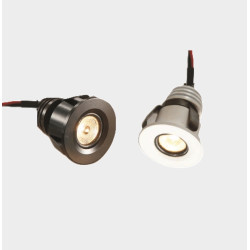
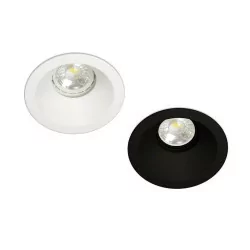
General lighting—typically plafonds or ceiling lights—ensures even illumination throughout the space. Spotlights installed in selected zones, such as above the mirror, bathtub, or shower, deliver focused light exactly where it is needed.
Wall lights near the mirror reduce facial shadows and improve grooming accuracy. LED lighting, increasingly popular, offers energy savings as well as adjustable color temperature and brightness.
Modern bathroom lighting systems also allow the creation of personalized lighting scenes—from functional to warm and relaxing—transforming the bathroom into both a practical space and a home spa environment.
Lighting for Makeup Application
Precise lighting is essential for accurate makeup application. The light should be even, bright, and as close to natural daylight as possible to ensure faithful color rendering of skin tones and cosmetics.
Fixtures installed on both sides of the mirror or directly above it effectively eliminate facial shadows. Wall lights with adjustable direction and dimming functionality allow lighting conditions to be tailored to individual needs and bathroom environments.
Neutral light tones (approximately 4000–5000K) are recommended for makeup application. Light that is too warm or too cool can distort colors, leading to inaccurate results visible outside the bathroom.
Appropriate bathroom lighting in the mirror zone enhances comfort, accuracy, and the overall visual quality of the space.
Aesthetic and Decorative Role of Bathroom Lighting
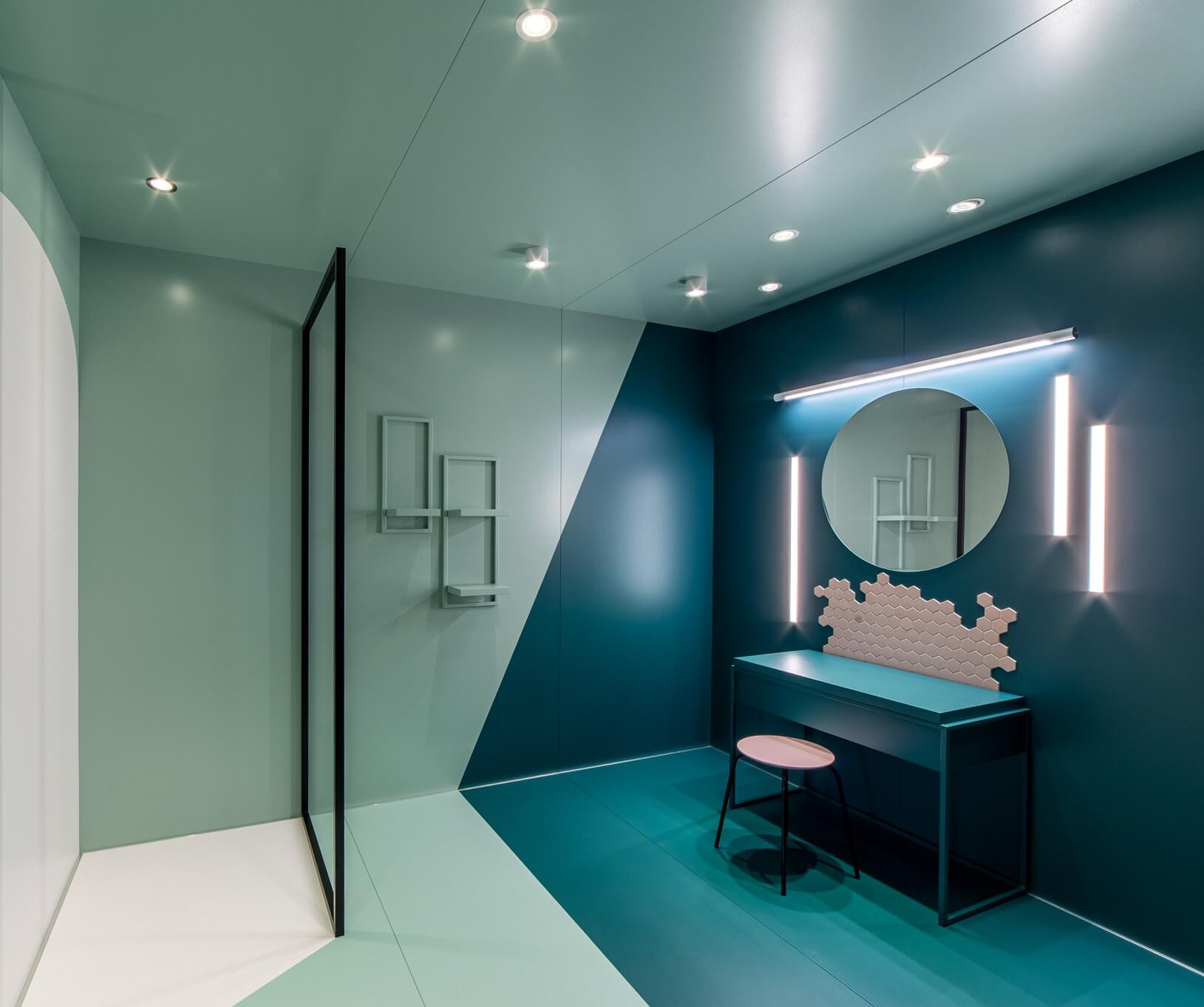
Bathroom lighting can serve not only as a functional light source but also as a key decorative element. Fixture form, color, and finishing materials strongly influence the overall perception of the space and help create a cohesive interior style.
A broad market offering makes it possible to match lighting to any design concept—from minimalist and modern fixtures to classic, retro, or glamour-inspired designs. This flexibility allows bathrooms to combine functionality with visual appeal while reflecting personal taste.
Attention to detail is crucial. Chrome, glass, and matte finishes perform well in humid environments while enhancing durability and appearance. Carefully selected bathroom lighting can highlight architectural features and add depth and elegance to the interior.
Fixtures with distinctive design or subtle lighting effects can become decorative focal points. Well-planned lighting not only improves bathroom functionality but also reinforces its role as a space of relaxation, harmony, and style.
FAQ – Most Common Customer Questions About Bathroom Lighting
What IP rating is required for a bathroom and what are zones 1/2/3?
The IP rating defines resistance to water and moisture. Bathrooms are divided into zones—the closer to water, the higher the IP rating required. Zones with direct water exposure require highly sealed fixtures rated IP65, while other areas should use fixtures designed for humid environments, typically IP44.
Is IP44 sufficient or is IP65 required?
IP44 is sufficient where only water splashes occur. IP65 is recommended for areas exposed to direct water contact, such as inside or directly beneath a shower.
Can a standard non-IP-rated lamp be installed in a bathroom?
Only outside moisture-prone zones and exclusively in well-ventilated bathrooms. In practice, fixtures designed for humid environments are recommended for long-term safety and durability.
What is the best light color temperature for a bathroom?
Around 3000K is the most versatile and comfortable. For precision tasks at the mirror, neutral light around 4000K works best. Combining different color temperatures on separate circuits delivers optimal results.
What is CRI and why should it be at least 90 near the mirror?
CRI measures color rendering accuracy. A CRI of 90 or higher ensures natural skin tones and accurate makeup appearance. Lower CRI values distort colors.
How many lumens should a bathroom have?
There is no single value—layered lighting is key. General lighting should provide approximately 300–400 lumens per square meter, while the mirror zone requires additional task lighting.
Wall lights beside the mirror or a light above it?
Wall lights on both sides of the mirror provide the most even facial illumination. A single light above the mirror often creates shadows unless supplemented with additional lighting.
Is a dimmer worth installing in a bathroom?
Yes, provided all components—LED source, driver, and dimmer—are fully compatible. Proper systems enable functional lighting during the day and relaxing ambience in the evening.
LED strips at the mirror or an LED mirror?
LED strips work well only when installed in a profile with a diffuser and high CRI. LED mirrors are convenient and elegant but require verification of CRI, color temperature, and serviceability.
How should lighting be planned in a small bathroom?
Use three layers: even general lighting, dedicated mirror lighting, and subtle accent lighting. This eliminates shadows, prevents glare, and maximizes functionality in limited space.
See also our other bathroom products:

shopping_cart
0
Menu
- +Outdoor lighting
- +Indoor lighting
- +LED wall lights
- Line light LED
- LED profiles ALU
- +Track system
- Multiline - magnetic track system 22mm 48V
- FIVETRACK 5 mm 48V Magnetic Tracks & Luminaires
- AQFORM Multitrack 48V - Premium magnetic Stucchi track
- 3-phase track systems
- 1-Phase Track Systems
- MINILINE magnetic track lighting
- AQFORM FLATTRACK magnetic track 48V
- +Magnetic system 11mm Micro, Core11
- Black track lighting
- White track lighting
- +LED ceiling lamps, hanging and surface-mounted
- +Ceiling covers
- +LED plafonds
- LED recessed downlights
- +Hanging lamps LED
- Ceiling spotlights and spots
- Ceiling fans LED
- LED lights for paintings
- Starry Sky
- +LED floor lamps
- LED table and desk lamps
- Living room
- Bedroom
- Dining room
- LED bathroom lighting
- LED kitchen lighting
- LED stairs lighting
- +LED bulbs
- All manufacturers
- Prices drop
- New Products
- Bestseller
- LED Lamps
-
- Indoor lighting
- LED wall lights
- Line light LED
- LED profiles ALU
- Track system
- Multiline - magnetic track system 22mm 48V
- FIVETRACK 5 mm 48V Magnetic Tracks & Luminaires
- AQFORM Multitrack 48V - Premium magnetic Stucchi track
- 3-phase track systems
- 1-Phase Track Systems
- MINILINE magnetic track lighting
- AQFORM FLATTRACK magnetic track 48V
- Magnetic system 11mm Micro, Core11
- Black track lighting
- White track lighting
- LED ceiling lamps, hanging and surface-mounted
- Ceiling covers
- LED plafonds
- LED recessed downlights
- Hanging lamps LED
- Ceiling spotlights and spots
- Ceiling fans LED
- LED lights for paintings
- Starry Sky
- LED floor lamps
- LED table and desk lamps
- Sources of light
- LED Strip Lights
- Outdoor lighting
- LED profiles
- LED stairs lighting
- LED accessories
- Equipping interiors
- Sale
- The FIBARO system
- Bestsellers
- LED bathroom lighting
- Decorative LED lighting
- LED lighting furniture
- LED kitchen lighting
- Technical and information LED lighting
- Lighting with LED for children
- Other lamps
- Living room
- Bedroom
- Dining room
- Indoor lighting