-
Gold LED Pendant Light as a Premium Accent — How Lighting Creates Elegance in High-End Interiors 01/30/2026 13:38:51Modern floor lamps: lighting scenes and a mistake-free choice 01/28/2026 22:15:27LED Recessed Spotlights — the Invisible Heroes of Harmonious Lighting Architecture 01/16/2026 09:05:44How to create zone lighting using magnetic tracks?12/08/2025 14:04:06
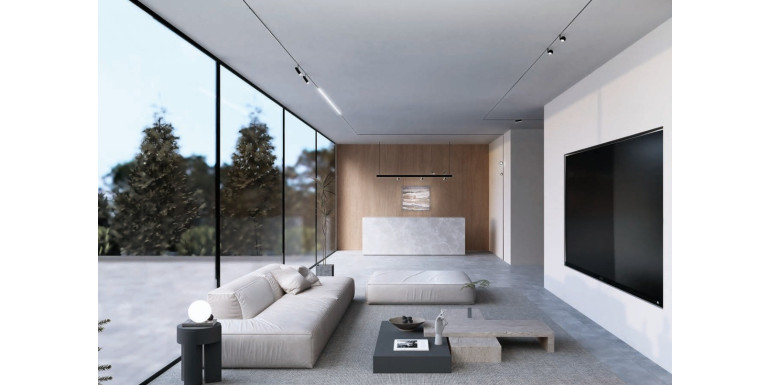
Magnetic Track Systems – Why They Are the Foundation of Flexible Lighting
Magnetic track systems are a modern lighting solution that combines minimalist design with maximum functionality. They operate on a low-voltage installation (48V), where power is conducted inside an aluminum track and luminaires connect via dedicated magnetic adapters. This allows users to freely configure their lighting layout, reposition light points, and adapt them to changing interior needs—without interfering with the ceiling or walls.
How Does the Installation of Magnetic Luminaires Work and How Does It Differ from Traditional Track Lighting?
In magnetic systems, luminaires are mounted directly onto the track using powerful magnets and precisely engineered conductive contacts. This means installation requires no tools, no screwing, and no disconnection of the electrical system. Simply place the fixture onto the track and it locks securely into position, ready for immediate use. In traditional track systems, adapters must be mechanically fitted, and any modification to the layout often requires switching off the power.
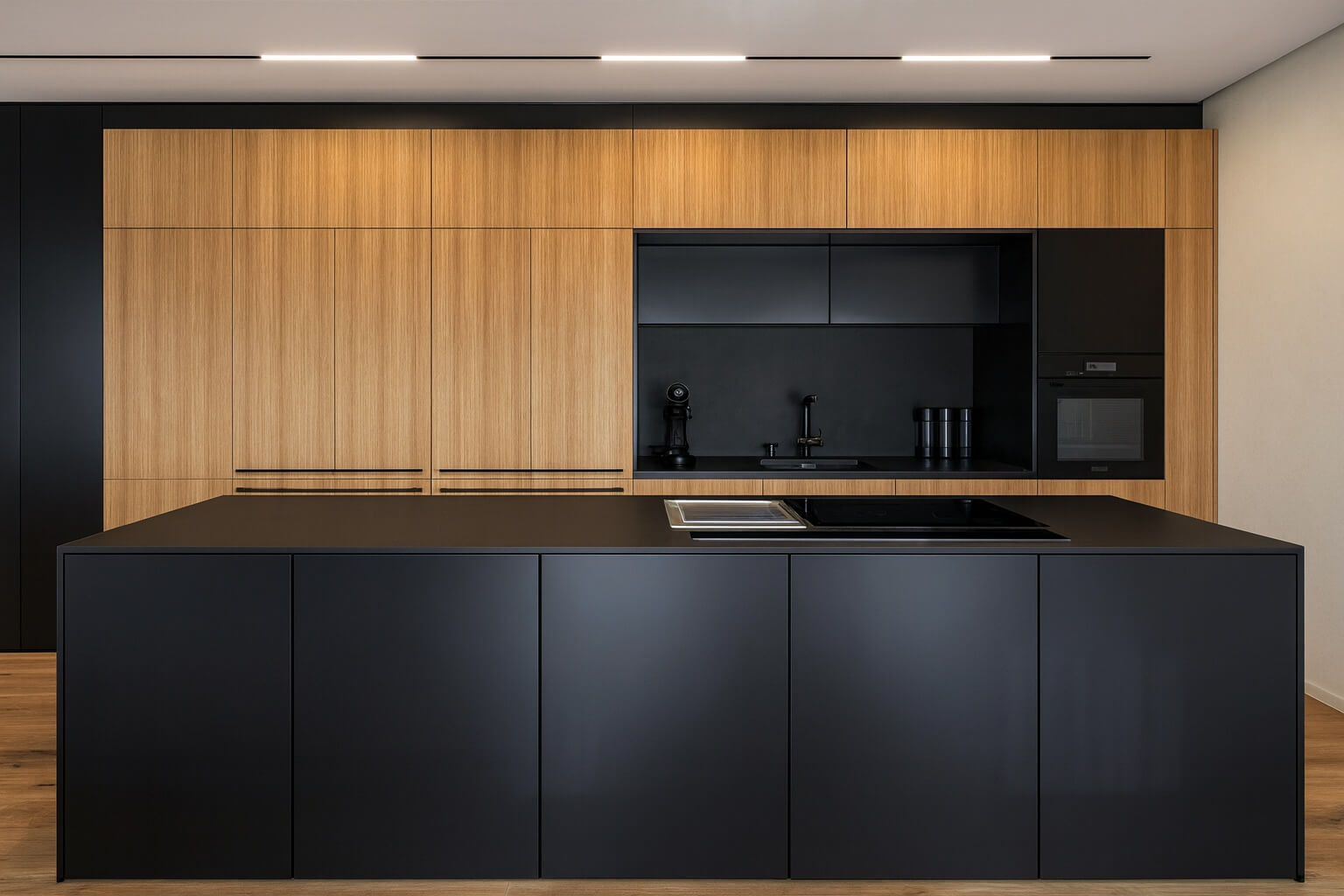
Why Are Magnetic Track Systems Ideal for Zoned Lighting?
The greatest advantage of magnetic tracks is the ability to create dynamic lighting zones within a single space. Track-mounted luminaires can be repositioned depending on the current interior arrangement. One layout works best in the living area, another above the dining table, and yet another over a desk or workspace. Magnetic systems allow light to be directed precisely where it is truly needed—without costly modifications to the electrical installation. As a result, one lighting base can evolve alongside changes in room function, making it an exceptionally practical and future-oriented solution.
Track Lighting as a Tool for Creating Light Zones – How to Use It Intentionally
Track lighting offers far more possibilities than traditional ceiling fixtures or flush-mounted luminaires. It allows you to shape space with light, define functional areas, and highlight selected elements of the interior design. With carefully chosen fixtures, you can “draw” boundaries between a relaxation zone and a workspace, emphasize the textures of finishing materials, or subtly guide the eye through the interior.
Which Types of Track Luminaires Work Best in Different Zones?
Track systems offer several types of fixtures, each serving a different purpose.
Spots and directional spotlights allow precise control of the light beam, making them ideal for work surfaces, task areas, and decorative details.
Linear luminaires create even, soft illumination, perfect for circulation zones and relaxation areas, providing visual comfort without glare.
Pendant luminaires mounted on tracks allow focused lighting over dining tables, kitchen islands, or countertops while also serving as a strong stylistic element within the interior.How to Choose the Right Light Color and Beam Angle for Each Zone?
The effectiveness of track lighting largely depends on its light parameters. In task areas, neutral white light works best, supporting concentration and ensuring accurate color rendering. Relaxation zones gain a warmer, more inviting character from warmer light tones that promote calm and rest. The beam angle is equally important: narrow beams create expressive lighting accents, while wide angles ensure uniform illumination across larger surfaces.
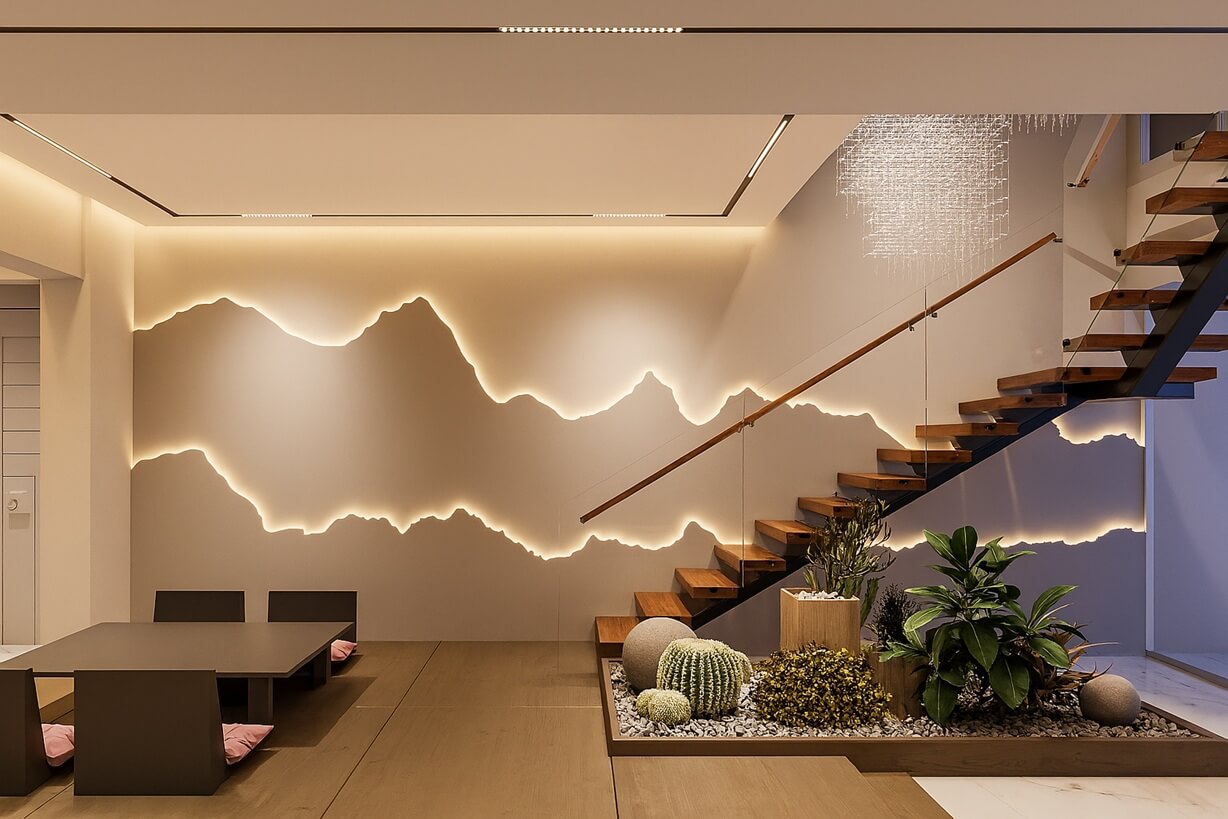
How to Plan Zoned Lighting Step by Step for Functionality and Visual Consistency
Well-designed zoned lighting does not begin with selecting fixtures, but with understanding the interior layout and the daily needs of its users. Planning should consider both the function of individual areas and how people move through the space. Only then can a logical, aesthetic lighting layout be created—one in which each zone has its own character while maintaining overall visual coherence.
How to Divide an Interior into Functional Zones – Living Room, Kitchen, Dining Area, and Home Office
The first step is to define zones based on real usage. In the living room, this usually includes a relaxation area, a TV zone, and a reading corner. In the kitchen, the natural division consists of food preparation, cooking, and storage areas. The dining area requires dedicated lighting over the table, while the home office needs stable, well-illuminated task lighting. This zoning already defines where light should be intense and where it should be softer and mood-enhancing.
How to Match the Track Layout to the Room Geometry and Furniture Arrangement?
The next stage is to plan the course of the tracks so that they naturally follow the architecture of the interior. Straight lines work well in narrow, elongated spaces, guiding light along corridors or countertops. L- and T-shaped layouts allow several zones within one room to be visually connected without chaos. Squares and light frames work perfectly above dining tables, kitchen islands, or in the central areas of living rooms. It is crucial that the track layout corresponds with furniture placement so that the lighting works with the space rather than competing with it.
How to Position Track Luminaires Properly to Avoid Shadows and Overexposure?
The next step is precise placement of luminaires along the planned tracks. In areas that require precision, directional fixtures with focused light beams work best, allowing accurate illumination of worktops, desks, or decorative focal points. In large, open spaces, evenly diffused light provides a better effect by filling the space without creating harsh contrasts. It is important to avoid situations where light falls directly from behind the user, as this leads to unwanted shadows on work surfaces. Thoughtful spacing between light points ensures a natural and comfortable lighting effect.
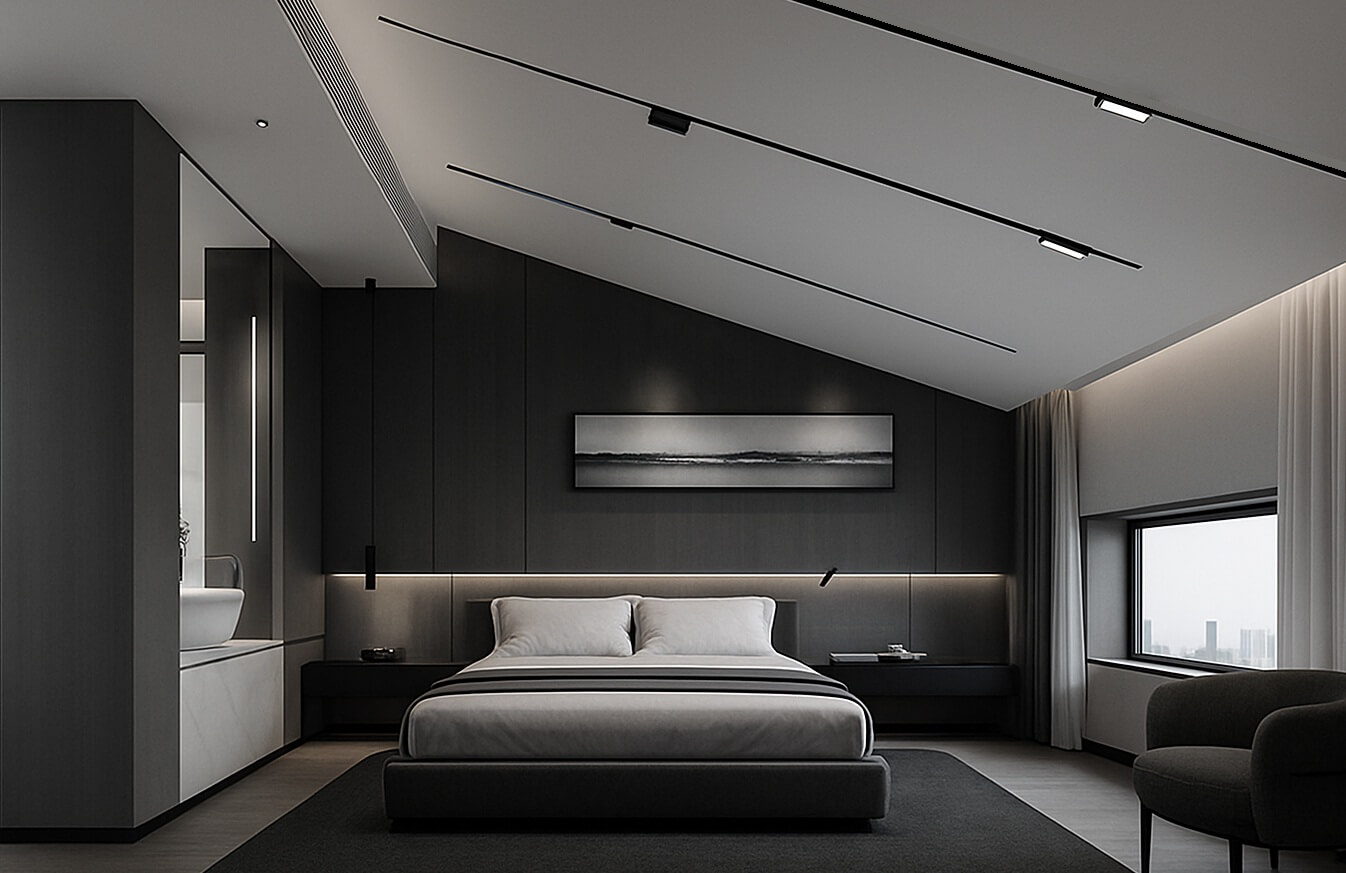
How to Plan Lighting to Remain Flexible in the Future?
The final, often overlooked stage is considering future changes in interior design. Interiors evolve—the furniture layout changes, room functions shift, lifestyles develop. Magnetic track systems respond to these changes without requiring costly modifications, which is why it is worth allowing room for future expansion at the design stage. Reserving space for additional light points, enabling changes in fixture spacing, or replacing luminaires with different optics ensures that the lighting system remains adaptable and evolves together with the space.
Magnetic Track Systems – Light That Works With Your Space
Today, well-designed lighting is a powerful tool that directly affects everyday comfort, interior atmosphere, and how space is used. Zoned lighting based on modern track systems provides the freedom to create interiors that adapt to their users—rather than forcing users to adapt to the space.
If you are planning to create flexible, functional, and visually refined lighting in your home, explore the solutions available in our offer. Properly selected magnetic track systems and track luminaires will allow you to shape light exactly as you need—both today and in the future.
Get inspired and discover the full potential of track lighting systems at salonled.pl!

shopping_cart
0
Menu
- +Outdoor lighting
- +Indoor lighting
- +LED wall lights
- Line light LED
- LED profiles ALU
- +Track system
- Multiline - magnetic track system 22mm 48V
- FIVETRACK 5 mm 48V Magnetic Tracks & Luminaires
- AQFORM Multitrack 48V - Premium magnetic Stucchi track
- 3-phase track systems
- 1-Phase Track Systems
- MINILINE magnetic track lighting
- AQFORM FLATTRACK magnetic track 48V
- +Magnetic system 11mm Micro, Core11
- Black track lighting
- White track lighting
- +LED ceiling lamps, hanging and surface-mounted
- +Ceiling covers
- +LED plafonds
- LED recessed downlights
- +Hanging lamps LED
- Ceiling spotlights and spots
- Ceiling fans LED
- LED lights for paintings
- Starry Sky
- +LED floor lamps
- LED table and desk lamps
- Living room
- Bedroom
- Dining room
- LED bathroom lighting
- LED kitchen lighting
- +LED stairs lighting
- +LED bulbs
- All manufacturers
- Prices drop
- New Products
- Bestseller


