Travertine Pendant Lights – Natural Stone Lighting
08/22/2026 19:24:31
Filter By
Filter By
BLOG

Pendant lights for the kitchen combine task lighting and decoration in one: they illuminate the countertop, define key zones (island / table), and create an “interior upgrade” effect without a renovation. The key isn’t that the fixture looks nice—it’s that it lights exactly where you work and doesn’t strain your eyes.
Choose in 60 seconds:
There are 868 products.
sortSort by:
The kitchen is simultaneously a workspace, a social hub, and the heart of the home. It is an interior where lighting must meet multiple demands: precision during food preparation, everyday visual comfort, and aesthetic consistency with the overall interior design. Kitchen pendant lights are among the most important elements of this system, combining task lighting with a decorative and architectural role.
A well-chosen kitchen pendant light is not an accessory but a functional tool. It organizes space, defines zones, improves working ergonomics, and elevates the visual quality of the interior. This is why, in modern and thoughtfully designed kitchens, pendant lighting is treated as a first-choice solution rather than a compromise.

Pendant lights perform best above worktops, kitchen islands, and dining tables. By positioning the light source closer to the working surface than ceiling lighting, they reduce shadows cast by the user’s body and improve visibility of details. In practice, this translates into greater comfort when chopping, cooking, and preparing meals.
In kitchens open to the living area, pendant lights act as visual separators. One or several fixtures suspended above the island clearly define the kitchen zone without the need for walls or structural divisions. This approach is especially valued in contemporary apartments and open-plan homes.
Pendant lights introduce a vertical element that balances the horizontal lines of cabinetry and countertops. They can serve as a subtle background feature or as a dominant design statement. Properly proportioned fixtures in relation to the island or table determine whether the interior feels cohesive and professionally designed.
Different parameters matter depending on whether the light is installed above a worktop, a dining table, or an island or breakfast bar. Above the worktop, functionality and glare control are priorities. Above the table, atmosphere and even facial illumination are more important. Above an island, both objectives are often combined: precision lighting and visual impact.
The best kitchens are designed with layered lighting, where general, task, and decorative lighting work together rather than replacing one another.
One of the most common mistakes is hanging a pendant too high or too low. The generally accepted optimal distance from the bottom edge of the fixture to the worktop is approximately 75–90 cm. This range ensures effective illumination of the working surface without obstructing sightlines or causing glare when seated at the island.
In rooms with higher ceilings, the suspension height should be adjusted proportionally, while maintaining the correct relationship between the light and the working surface.
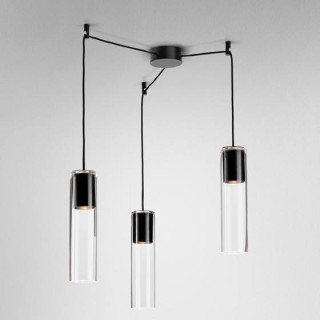
Above a long kitchen island, two or three pendant lights are most commonly used. The choice depends on the length of the island and the diameter of the shades. Too few fixtures result in uneven lighting, while too many create visual clutter.
In practice, spacing should allow each pendant to “breathe” visually while ensuring continuous, uniform illumination along the entire countertop.
Color temperature has a significant impact on how a kitchen is perceived. Warm light enhances atmosphere and comfort, while neutral light improves focus and color accuracy.
The most commonly selected ranges are:
In kitchens connected to living spaces, dimmable systems are particularly effective, allowing the character of the light to adapt smoothly to different times of day and activities.

A high color rendering index is essential in the kitchen. It allows for realistic assessment of food color, freshness of ingredients, and material textures. Pendant lights with CRI ≥ 90 are standard in premium projects and are increasingly chosen for residential kitchens as well.
Modern LED fixtures consume very little energy, making wattage an unreliable indicator of brightness. Lumens describe the actual amount of light produced. A well-designed kitchen pendant should deliver sufficient luminous output without excessively brightening the entire space.
The shade design, diffuser, and positioning of the light source directly affect user comfort. Diffused light, opal glass, or a recessed LED module prevent glare, which is especially important with glossy cabinetry and light-colored countertops.
The ability to regulate light intensity significantly increases kitchen functionality. The same pendant light can support focused work and create atmosphere, provided it is compatible with dimming systems or smart lighting controls.
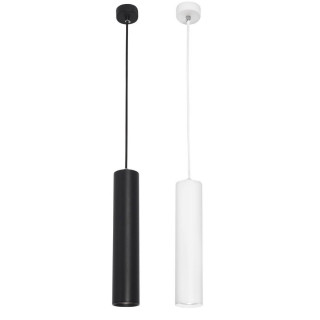
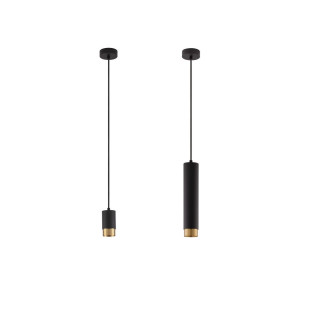
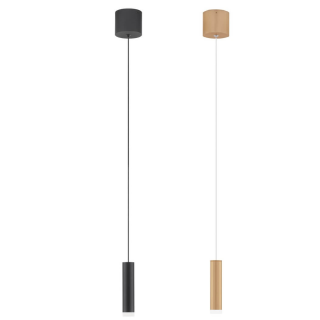
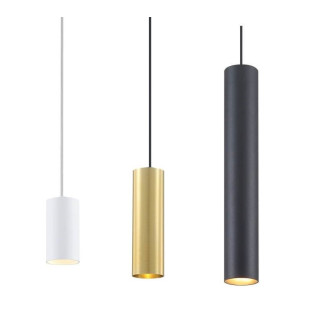
Clean forms, geometric shapes, and restrained colors dominate. Pendant lights in these interiors should enhance the architecture rather than compete with it. Slim tubes, cylinders, and linear fixtures above islands are particularly popular.
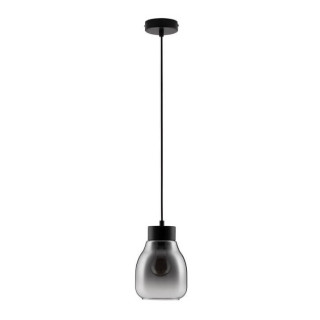
Metal, glass, graphite, and black finishes are characteristic. In this style, the pendant often becomes a strong visual accent, but it must still provide visual comfort. Attention should be paid to shielding the light source and ensuring proper diffusion.
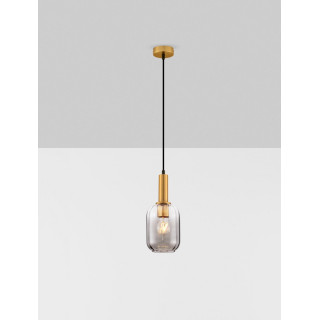
Opal glass, soft forms, and details in brass or gold tones define this aesthetic. In such interiors, pendant lights function as decorative jewelry, while warm light reinforces a sense of comfort and sophistication.
Most often this happens because:
Solution: lower the pendant to the standard 75–90 cm above the worktop and/or add a dedicated task lighting layer.
Choose fixtures with:
For long, slim islands and smaller fixtures, three pendants create rhythm and even illumination. For larger shades, two fixtures usually work better. Typical spacing ranges from 61–76 cm, or more for larger diameters. In some cases, a single linear pendant spanning the full length of the island or worktop is a better alternative than multiple small points.
The best kitchen pendant light is one chosen consciously, taking into account spatial dimensions, suspension height, lighting parameters, and interior style. It should be considered part of a lighting system rather than an isolated product.
Well-designed pendant lighting:

The most commonly recommended and proven height is 75–90 cm from the worktop to the bottom edge of the fixture. This range provides effective task lighting without obstructing sightlines or causing glare. Minor adjustments can be made depending on shade size and user height.
If the worktop remains poorly lit and the pendants appear visually detached from the island, they are almost certainly mounted too high. Another sign is light spreading primarily throughout the room instead of focusing on the work surface. Lowering the fixtures usually improves the effect immediately.
The decision is driven by island length and shade diameter. Shorter islands with larger fixtures typically look better with two pendants. Longer islands with slimmer designs often benefit from three pendants for even lighting and visual rhythm. Proportion always matters more than a fixed number.
Pendants should be arranged symmetrically with clear visual spacing. The ideal spacing allows each fixture visual breathing room without overlapping shades. Larger diameters require wider spacing.
The shade should be proportional to the island length and ceiling height. Fixtures that are too small look accidental, while oversized ones can dominate and obstruct views. In practice, users most often choose either two larger pendants or three smaller ones. If uncertain between two sizes, the slightly larger option usually looks better, provided it does not block sightlines.
3000K is chosen more often because it balances functionality with a warm, residential feel. 4000K is preferred by users who prioritize maximum clarity and neutrality during work. For kitchens connected to living areas, 3000K is the safer and more versatile choice.
Yes, especially if the kitchen serves multiple functions. Dimming allows the same fixtures to support both intensive work and relaxed dining or socializing. It is essential that the fixture, light source, and dimmer are compatible to avoid flicker or unstable performance.
The most common reasons are a visible LED source, lack of a diffuser, or a suspension height that is too low. The issue is more noticeable when sitting at the island. Solutions include opal shades, recessed light sources, or designs that limit the emission angle. Correct mounting height also significantly reduces glare.
Integrated LED systems usually offer better light quality, more even distribution, and a cleaner appearance. Replaceable bulbs provide future flexibility but more often result in point-source glare and reduced visual comfort. In the kitchen, stable parameters and comfort matter more than the type of source itself.
Kitchen pendants are exposed to steam and grease, so materials that are easy to clean are recommended. Regular wiping with a soft cloth prevents surface dulling. The simpler the shade design, the easier the maintenance and the longer the fixture retains its aesthetic appeal.

Kitchen pendant lights combine functional task lighting with intentional design. Properly selected, they improve ergonomics at the worktop and island, organize space, and give the kitchen a distinctive character. Suspension height, proportions relative to the island or table, light color and quality, and glare-free visual comfort are all critical factors. A well-designed kitchen pendant light is not merely decorative—it is a daily-use tool that directly influences how the kitchen looks and how it is experienced.
See also:
check_circle
check_circle